Counting the waves…
Counting the waves…

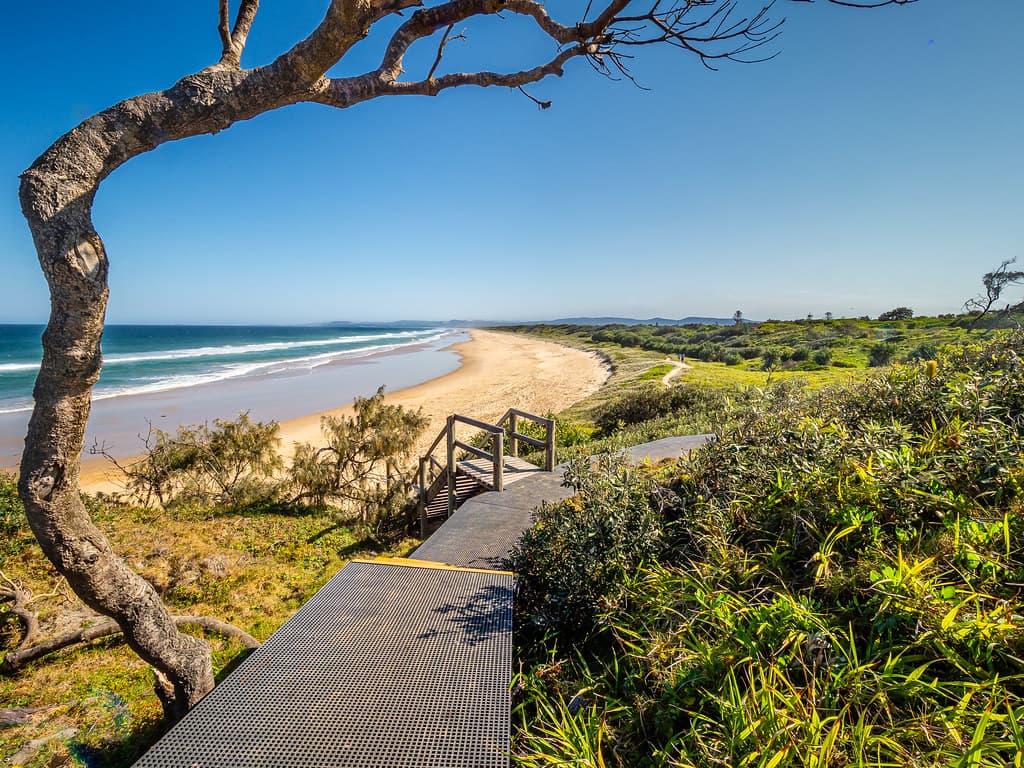
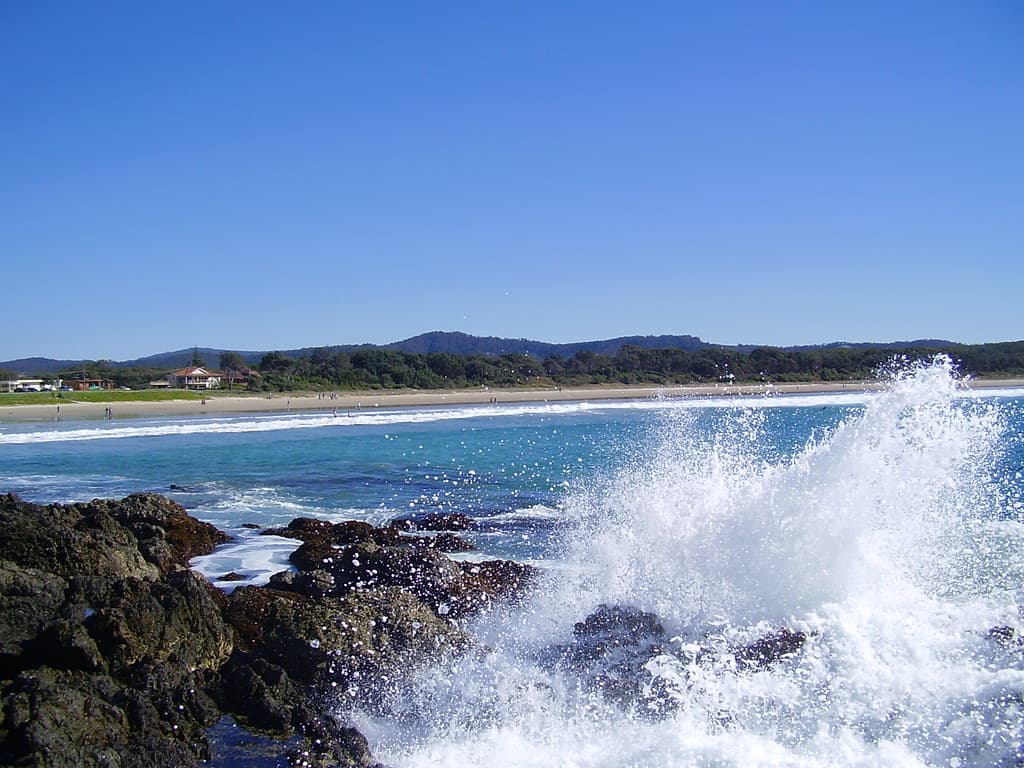
Woolgoolga Beach stretches nearly two kilometres between rocky headlands, its tawny sand littered with fragments of pumice and the occasional blue sailor jellyfish after an easterly. The waves roll in with metronomic reliability, their foam lines visible from the grassy reserve where families spread picnic blankets beneath Norfolk pines. You'll share the water with board-riders who've been reading this beach since childhood, their intimate knowledge of sandbars evident in how they position themselves before each set. The town itself—affectionately known as Woopi—carries the unmistakable scent of samosas from the local bakeries, a legacy of the Sikh banana farmers who settled here in the 1940s. That cultural layer distinguishes this beach from the string of anonymous surf spots dotting the Coffs Coast. You'll find curry puffs where other beach towns offer only meat pies, and the temple's presence on the headland adds an architectural grace note rarely seen in Australian coastal towns. North of the surf club, the Woolgoolga Headland walking track winds through littoral rainforest where pandanus palms rattle in the sea breeze. The path delivers you to lookouts where humpback whales breach during their winter migration, their exhalations audible above the surf's percussion. Return via the beach at low tide, when the southern rock platform reveals anemones the colour of merlot and periwinkles clustered in tide-carved channels.
Places, rentals, tours and events within walking and driving distance of Woolgoolga Beach.
Photos
Woolgoolga Beach is patrolled by surf lifesavers during peak holiday periods and weekends from September to April. The beach features a designated swimming area between the red and yellow flags. Conditions vary, with rockier sections at either end and sandier zones in the middle. The beach can experience moderate to strong surf, making it popular with surfers but requiring caution for inexperienced swimmers. Always swim between the flags and check signage for current conditions, rips, and marine life warnings before entering the water.
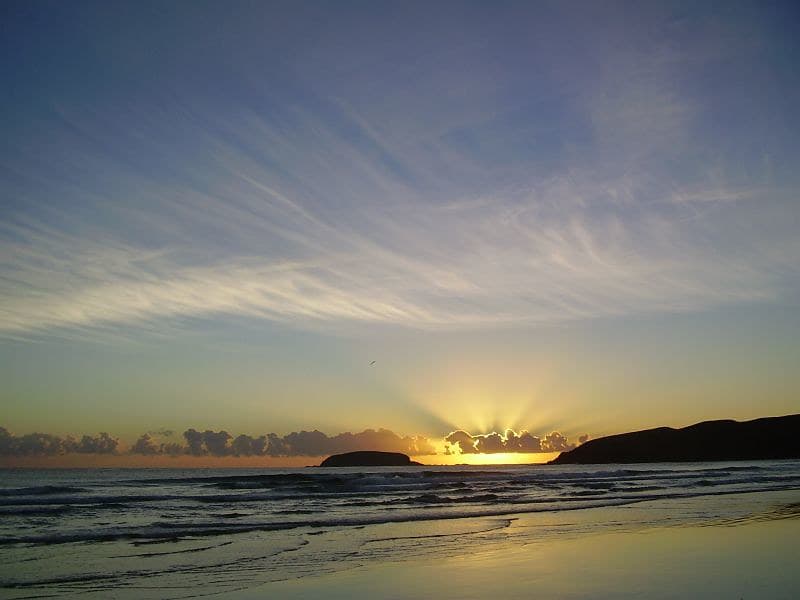
Woolgoolga Beach is enjoyable year-round thanks to the region's temperate climate. Summer (December-February) offers warm water temperatures ideal for swimming and surfing, though it's also the busiest period. Autumn and spring provide pleasant weather with fewer crowds and consistent surf conditions. Winter (June-August) sees cooler air temperatures but remains popular with surfers and whale watchers, as humpback whales migrate along the coast. The beach faces east, making it perfect for sunrise viewing any time of year.
Woolgoolga Beach is located approximately 25 kilometres north of Coffs Harbour via the Pacific Highway. Take the Woolgoolga exit and follow Beach Street directly to the beachfront. There's a large free car park adjacent to the beach on Beach Street, with additional parking along nearby streets. The car park includes accessible spaces and is within easy walking distance of the town centre. During peak summer holidays and weekends, parking can fill quickly, so arriving early is recommended for guaranteed spots.
Woolgoolga Beach offers excellent facilities including public toilets, showers, picnic areas, and barbecue facilities near the car park. The adjacent town centre, just a short walk away, features numerous cafes, restaurants, and takeaway shops, including several serving Indian cuisine reflecting the town's strong Sikh community. You'll find fish and chips shops, bakeries, and grocery stores for supplies. Accommodation options nearby range from holiday parks and motels to beachfront apartments and vacation rentals, catering to various budgets.
The Guru Nanak Sikh Temple, visible from Woolgoolga Beach with its distinctive white dome, is one of Australia's largest Sikh temples and a significant landmark. Woolgoolga has a substantial Sikh community dating back to the 1940s banana farming era. Visitors are welcome to visit the temple respectfully, with guidelines including removing shoes and covering heads before entering. The temple represents Woolgoolga's unique cultural heritage, distinguishing it from other Australian coastal towns and adding a special multicultural dimension to the beach experience.