Counting the waves…
Counting the waves…

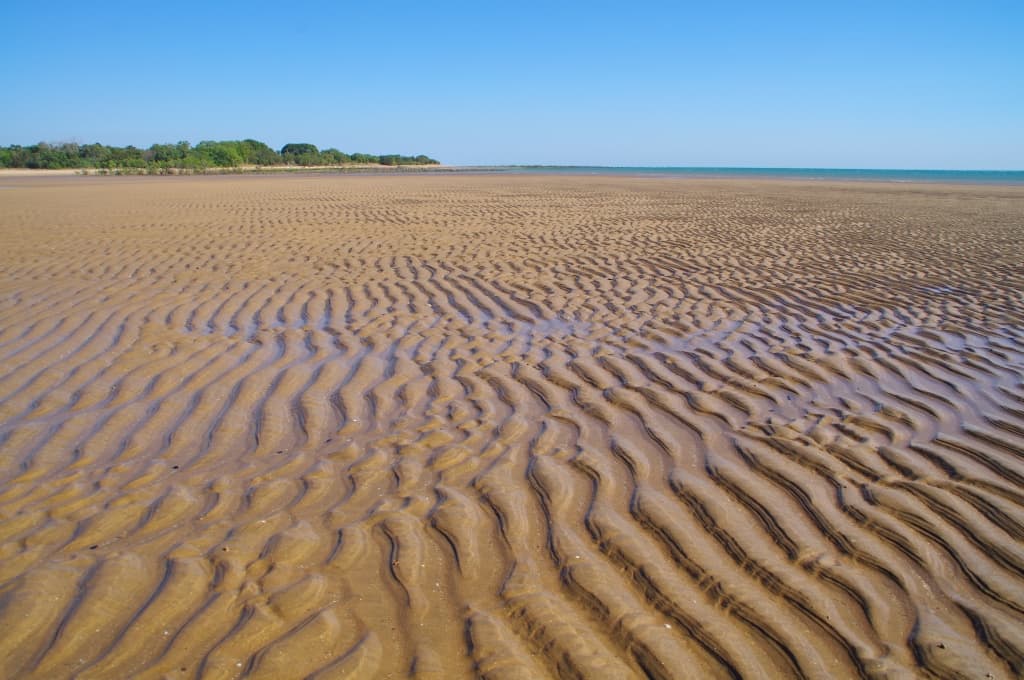
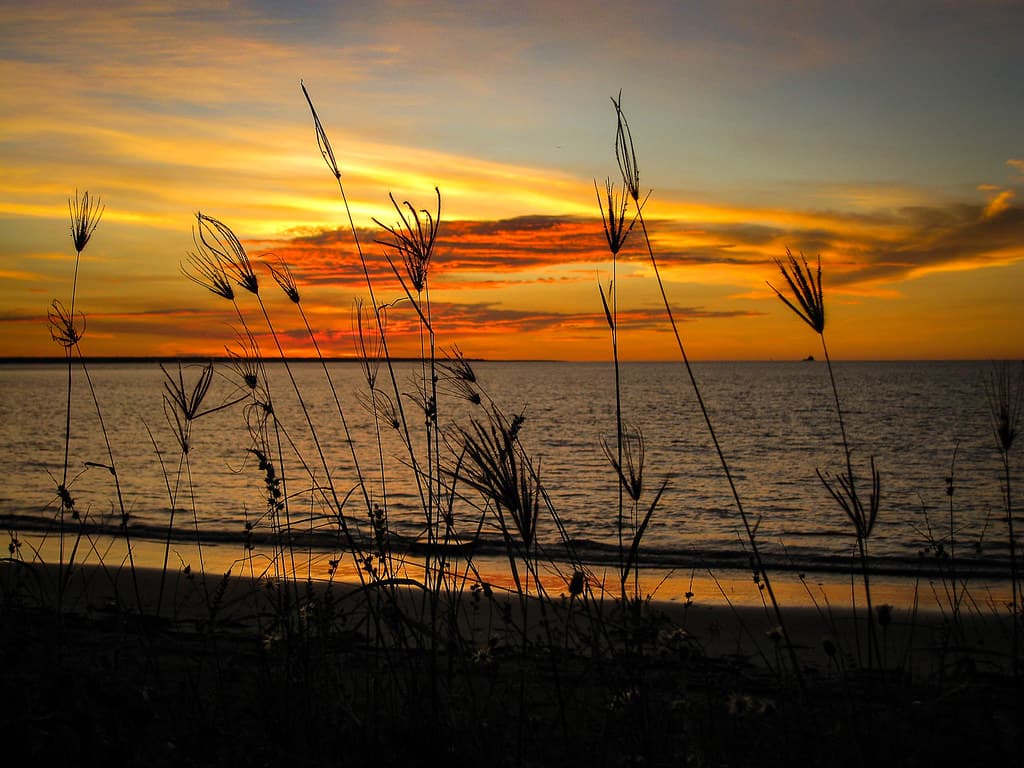
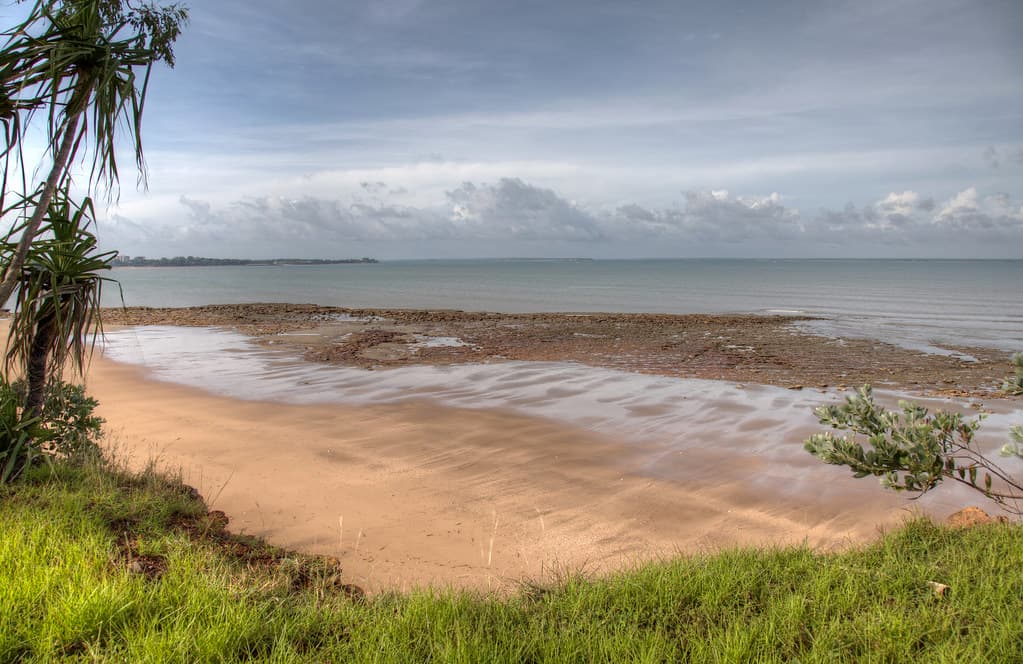
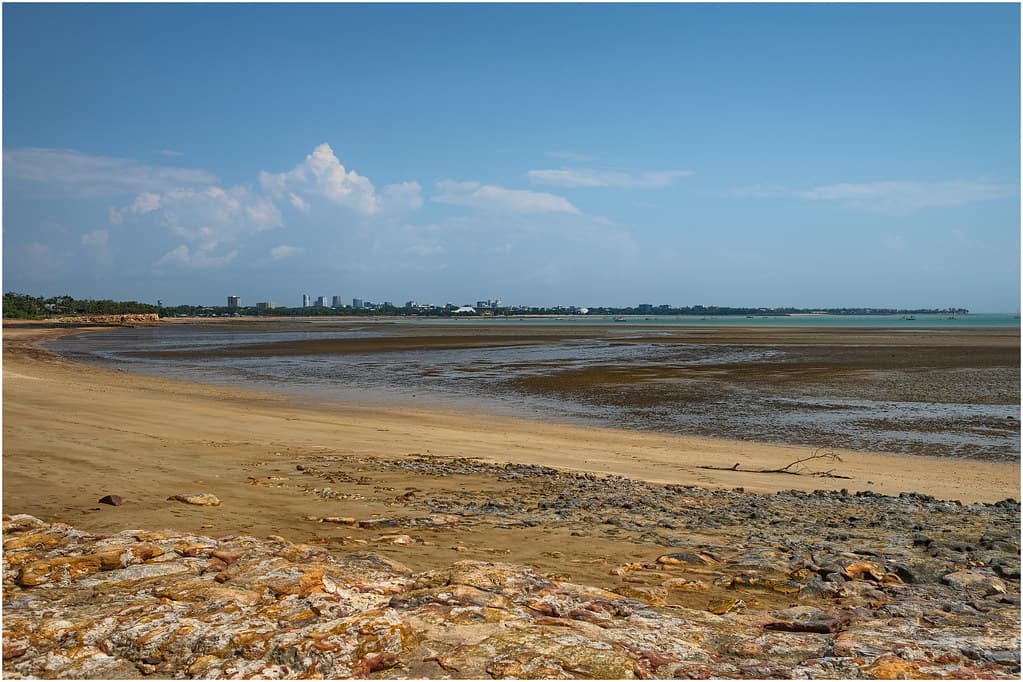
Fannie Bay stretches along Darwin's western shoreline like a well-worn hammock, its pale sand meeting grass so green it borders on audacious in the Top End heat. You'll park under paper-barks, kick off your thongs, and walk straight from lawn to beach—no dune scrambling, no resort gauntlet. The water here runs shallow and warm, stained amber by tannins from mangrove creeks upstream, and at low tide the bay reveals mudflats where wading birds pick their way through the gloss. Local families colonise the shaded picnic areas by mid-morning, claiming tables near the free electric barbecues that dot the foreshore reserve. The air smells of sunscreen, eucalyptus, and charring onions. You'll hear the thwack of a cricket ball, the hiss of a beer can opening, the chatter of rainbow lorikeets in the canopy overhead. This is beach-going stripped of pretence—esky lids doubling as seats, kids dragging boogie boards across the sand, dogs (on-leash) sniffing at tide wrack. By late afternoon the light turns honeyed and forgiving. You'll watch sailors tack across the bay toward the yacht club, see joggers lap the foreshore path, notice how the heat finally loosens its grip. The sunsets here aren't shy—they ignite the western sky in shades of mango and guava, best watched with sand between your toes and a cold drink sweating in your hand.
Places, rentals, tours and events within walking and driving distance of Fannie Bay Beach.
Photos
Swimming at Fannie Bay Beach requires caution year-round. During the Wet Season (November to May), dangerous box jellyfish and Irukandji jellyfish are present in the water, making swimming inadvisable. The beach lacks stinger nets, so most locals avoid ocean swimming during these months. During the Dry Season (May to October), marine stinger risk decreases but crocodiles can occasionally be present in Northern Territory coastal waters. The beach is more popular for paddling, picnics, and relaxation than swimming. Always check current safety warnings and never swim alone or at dawn/dusk.
The best time to visit Fannie Bay Beach is during Darwin's Dry Season, from May to October. During these months, you'll enjoy consistently sunny weather, low humidity, and minimal rainfall with temperatures around 25-32°C (77-90°F). The conditions are ideal for beach picnics, walking, and outdoor activities. The Wet Season (November to April) brings high humidity, afternoon storms, and dangerous marine stingers, though the beach remains accessible. For the most comfortable experience with the safest conditions, plan your visit between June and August when the weather is particularly pleasant.
Fannie Bay Beach is easily accessible, located just 5 kilometres north of Darwin's city centre along Fannie Bay Road. You can drive there in about 10 minutes from downtown Darwin. Free parking is available in the beachfront car parks along East Point Road and near the Fannie Bay Gaol Museum. Public buses service the area, with routes stopping nearby on Ross Smith Avenue. The beach is also accessible by bicycle via dedicated paths, and many visitors enjoy cycling along the scenic coastal route. Parking typically fills up on weekends and public holidays, so arriving early is recommended.
Fannie Bay Beach offers good amenities including public toilets, shaded picnic areas, and barbecue facilities, making it popular for family gatherings. The Fannie Bay Cool Spot kiosk operates near the beach selling refreshments and snacks. For more dining options, the nearby East Point Reserve has a café, and you'll find restaurants and cafes within a short drive in Fannie Bay and neighbouring Parap. The Parap Village shops and markets are about 2 kilometres away. For accommodation, Darwin's city centre is only 5 kilometres south, offering hotels and serviced apartments, though there are no beachfront lodging options directly at Fannie Bay.
Yes, the historic Fannie Bay Gaol is located directly adjacent to Fannie Bay Beach and is open to visitors free of charge. This former prison operated from 1883 to 1979 and is now a fascinating museum showcasing Northern Territory's colonial history and former penal system. You can explore the original cells, gallows, and prison grounds at your own pace. The gaol is typically open daily, though hours may vary, so checking ahead is wise. Many visitors combine a beach outing with a gaol tour, as they're within easy walking distance of each other, making for an interesting cultural and recreational day out.