
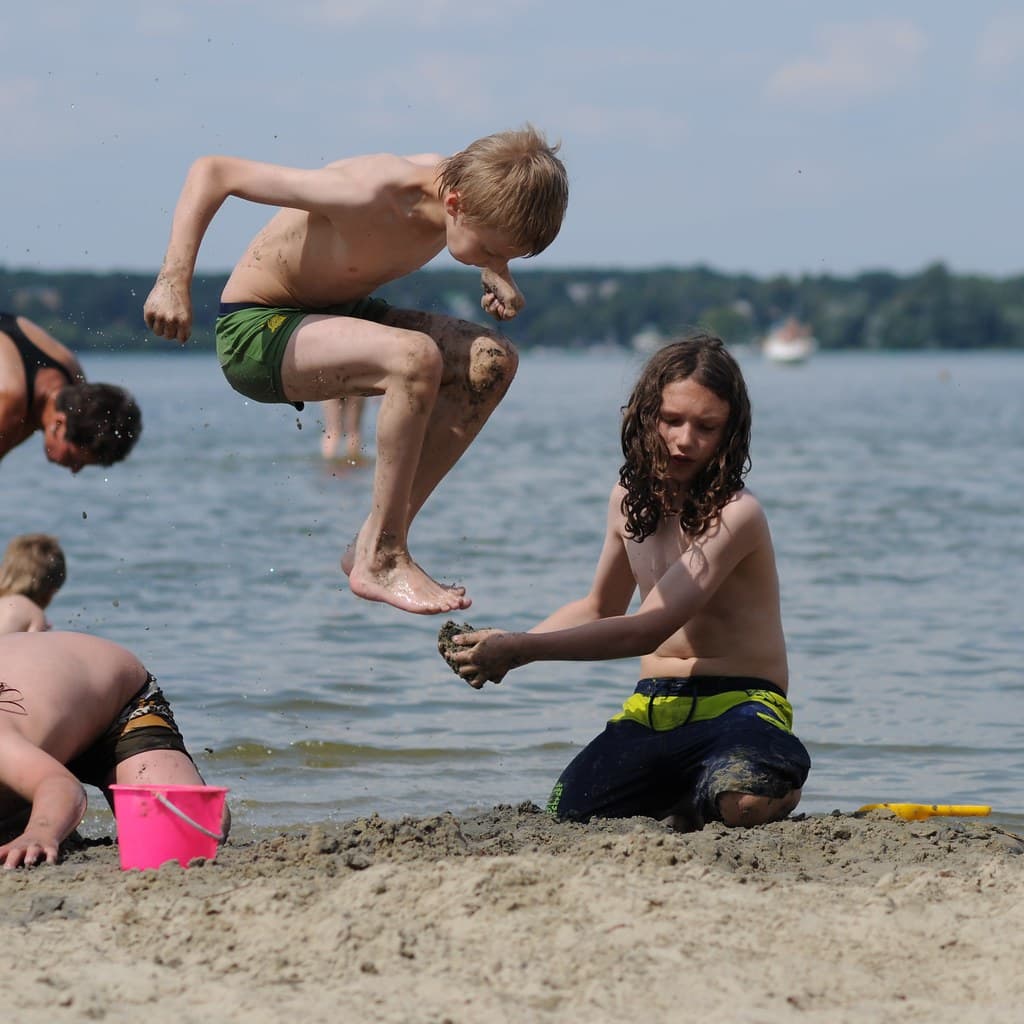
Lilleys Beach curves along the western shore of Boyne Island, sheltered from open ocean swells by geography and mangrove-studded points. The water here is estuary-fed—calm, surprisingly warm, and no deeper than your waist for thirty metres out. She-oaks lean over picnic tables at the grassed foreshore reserve, their needles clicking in the afternoon sea breeze. Families arrive early to claim barbecue shelters; couples spread towels on the firmer sand near the water's edge, where the tide writes its daily calligraphy in shell fragments and driftwood.
“Lilleys Beach offers estuary calm and family infrastructure on an island that feels suburban yet surrounded—Boyne Island's accessible waterfront anchor.”
 Credit: Flickr
Sand
This is swim-and-wade territory, not surf country. The bottom is firm sand with occasional patches of seagrass, visibility shifting with the tide. Locals launch kayaks from the boat ramp at the southern end, paddling toward Facing Island or along the mangrove channels that thread through the estuary. On weekends, the scent of sausages on hotplates drifts across the reserve, mingling with salt and paperbarks.
As afternoon turns golden, the water takes on the colour of weak tea steeped in sunlight. Oystercatchers work the tideline. The rhythm here is unhurried—tides matter more than waves, shade more than drama. You won't find postcard blues or crashing breakers, but you will find what the Gladstone Coast does best: honest, unglamorous access to water warm enough to forget you're swimming at all.


