Counting the waves…
Counting the waves…

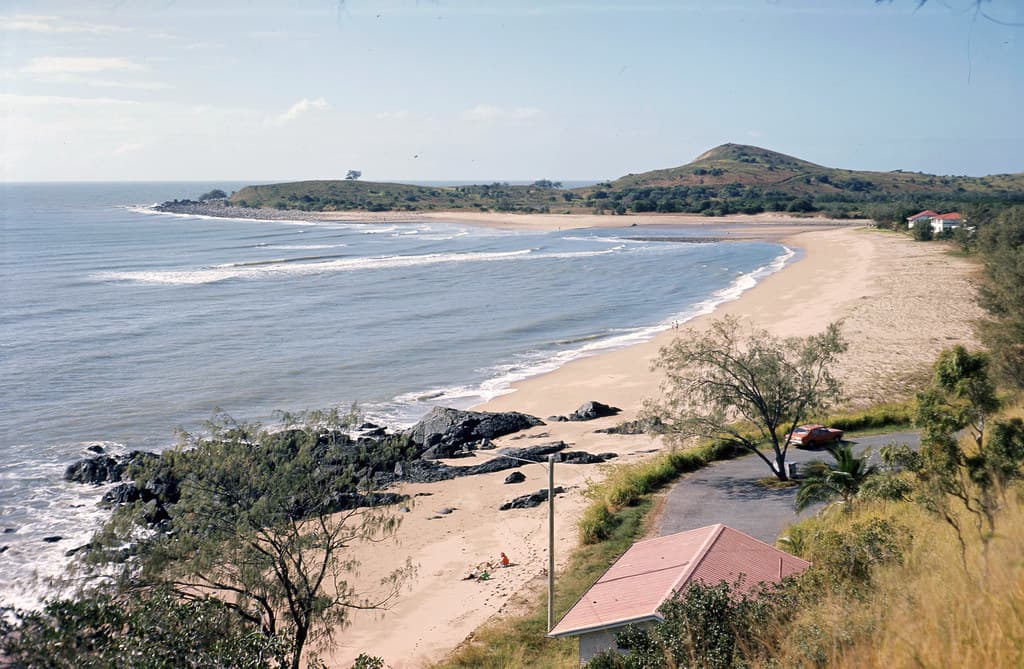
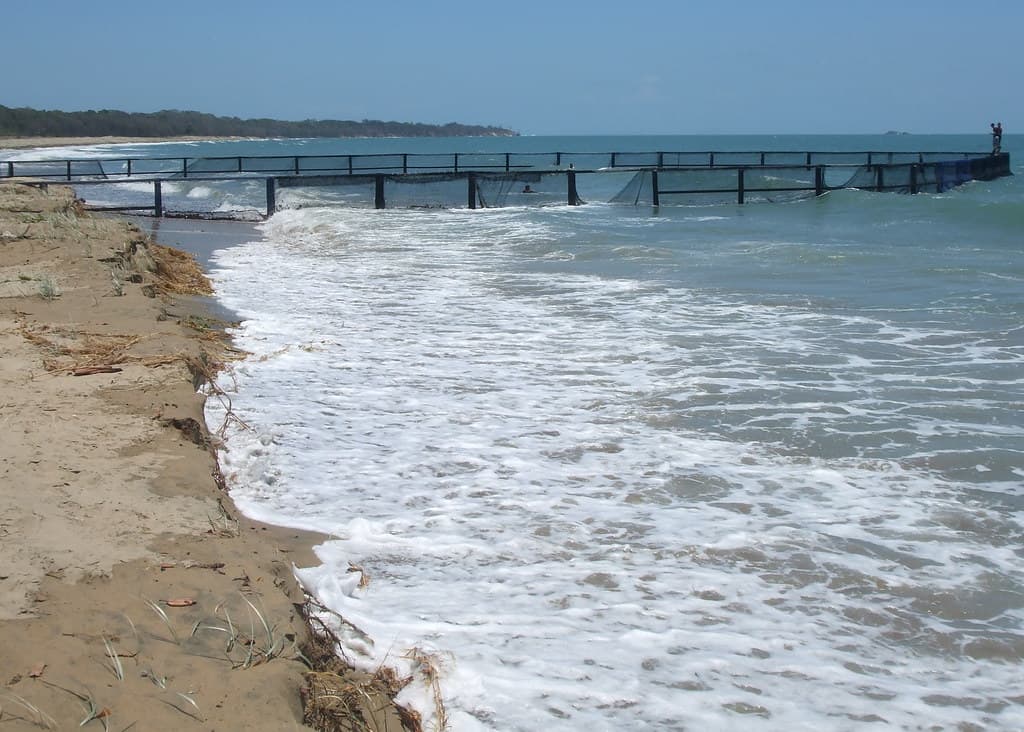
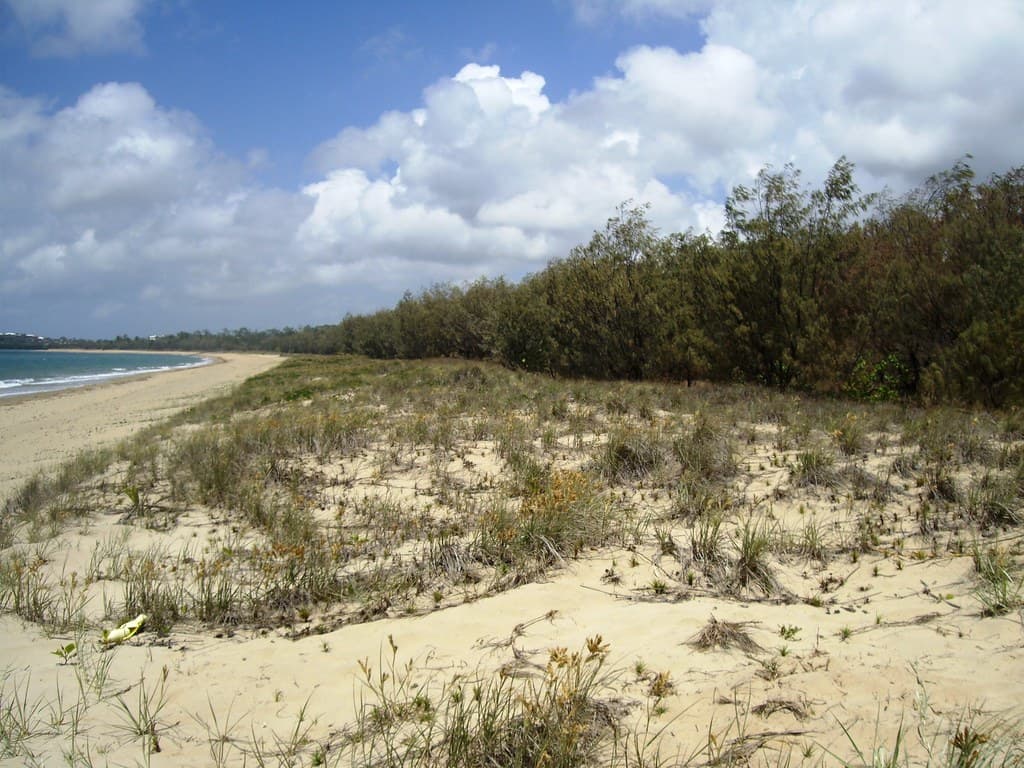
Bucasia sits at the northern edge of Mackay's beach chain, a seven-kilometre sweep of caramel sand where the hinterland scrub tumbles right down to the tide line. You'll drive past cane fields and weatherboard houses with mango trees in the yard, then crest the hill to find the ocean spread wide and flat, the kind of blue that changes hourly with the light. Locals arrive before dawn with rods and eskies; by mid-morning, the playgrounds fill with toddlers and the scent of sausages on the foreshore barbecues drifts through the she-oaks. The beach itself is a study in contrasts—wild enough that stingers demand respectful distance in summer, gentle enough that retirees wade waist-deep at low tide scanning for soldier crabs. Volcanic rock shelves jut from the sand at either end, creating pools where you can crouch and watch dart fish flicker between anemones. The water stays warm year-round, and the swell rarely builds past knee-high, making it a place for floaties and stand-up paddleboards rather than serious surf. You won't find resort towers here. Bucasia keeps its low-rise motel aesthetic, its corner fish-and-chip shops, its unpretentious caravan parks where the same families return every winter. The headland walking track to Blacks Beach delivers views back across the entire sweep—on clear afternoons, you'll see the shadow of the Whitsundays smudged on the northern horizon.
Places, rentals, tours and events within walking and driving distance of Bucasia Beach.
Photos
Bucasia Beach is generally safe for swimming, but conditions vary with tides and weather. The beach is patrolled by lifeguards during peak holiday periods, though not year-round. Stinger season (November to May) requires protective clothing due to potentially dangerous jellyfish. The beach features calm waters most of the year, making it suitable for families, but always swim between the flags when lifeguards are present. Check local conditions before entering the water, and be aware of tidal movements and occasional strong currents during certain weather patterns.
Bucasia Beach is enjoyable year-round thanks to Queensland's subtropical climate. Winter months (May to September) offer the most comfortable conditions with warm, dry days averaging 20-25°C and minimal rainfall, ideal for swimming without stinger suits. Summer (December to February) brings higher temperatures and humidity, along with jellyfish season requiring protective gear. The shoulder seasons of April-May and September-October provide excellent weather with fewer crowds. Mornings typically offer calmer conditions for beach activities, while afternoons can bring refreshing sea breezes.
Bucasia Beach is located approximately 20 kilometres north of Mackay city centre, about a 20-minute drive via the Peak Downs Highway and Mackay-Bucasia Road. Free parking is available at multiple beachfront car parks along Langford Street and the esplanade. The beach is easily accessible by car, with well-signposted roads throughout the area. Public transport options are limited, so driving is recommended. Parking is generally plentiful except during peak holiday periods and summer weekends when spaces fill quickly near the main access points.
Bucasia offers a range of accommodation from beachfront holiday apartments and houses to caravan parks, catering to various budgets. The Bucasia Beachfront Caravan Resort is a popular choice for families. Dining options include local cafes and takeaway outlets, though the selection is more limited than larger tourist areas. The nearby Dolphin Heads has additional restaurants and a bowls club. For more extensive dining and shopping, Mackay city centre is just 20 minutes away, offering supermarkets, restaurants, and all essential services for provisioning your beach stay.
Yes, Bucasia Beach is part of an important turtle nesting area in the Mackay region. During nesting season (November to March), you may spot turtle tracks on the beach where loggerhead and green sea turtles come ashore to lay eggs at night. The Mackay Turtle Watch program monitors local beaches and welcomes community involvement. Hatchlings typically emerge 6-8 weeks after nesting. If you encounter turtles or nests, observe from a distance, avoid using lights, and report sightings to local conservation groups to help protect these endangered species.