Counting the waves…
Counting the waves…
A refined fusion of water purity, environmental stability, and communal vibrancy for Trinity Park Beach.
View MethodologyAnalyzed via live sensors and environmental data.
Wave height, wind, and atmospheric stability.
Live footfall and crowd balance metrics.
Community reviews and curated sentiment.
“You'll find families sprawled on picnic rugs beneath rain trees, the smell of barbecued sausages drifting from public grills, and a shoreline that curves gently toward the yacht club. The Esplanade hum fades here;…”
Higher weekend density may affect water purity and crowd scores temporarily.
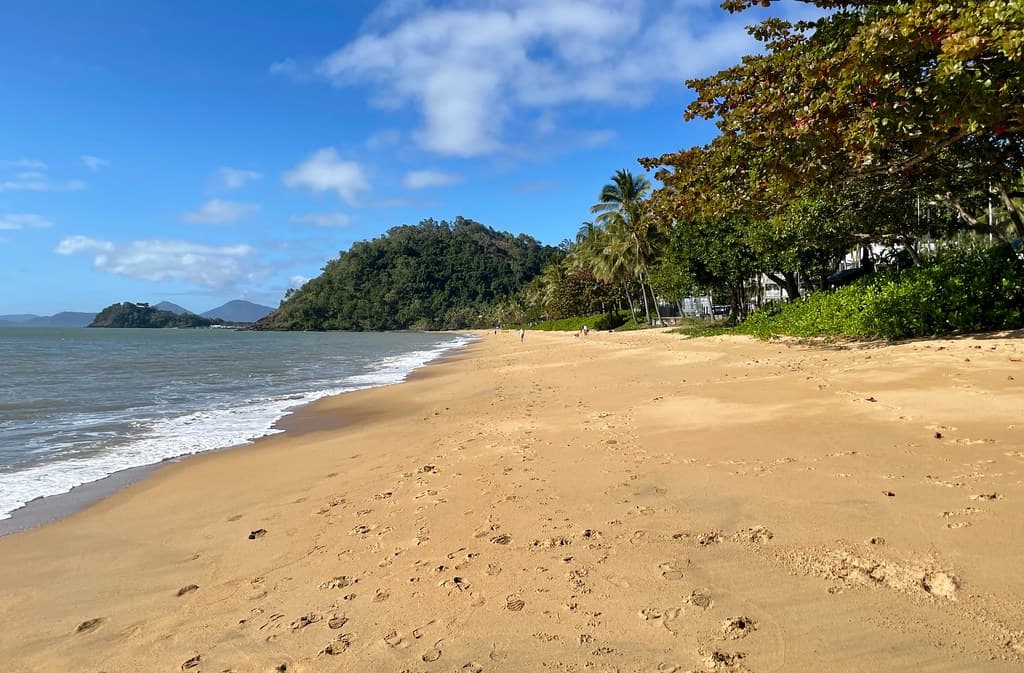
Trinity Park Beach occupies a quiet elbow of coastline north of central Cairns, where the Esplanade's groomed lagoon gives way to genuine tidal flats and a fringe of mangroves. You'll share the sand with dog walkers, stand-up paddleboarders launching from the yacht club ramp, and retirees reading paperbacks under the shade of coastal she-oaks. The water is calm, murky with sediment stirred by the tide, and too shallow for serious swimming at low ebb—but that hasn't stopped kids from mucking about in the shallows with fishing nets.
The foreshore reserve runs parallel to the beach, a ribbon of lawn punctuated by electric barbecues and weathered picnic shelters. Joggers loop the path at dawn; by mid-morning, the tables fill with thermoses and Tupperware. Trinity Inlet lies just offshore, a working waterway where fishing trawlers and sailboats motor past in equal measure. The backdrop is unapologetically suburban—housing estates, the occasional high-rise—but the mountain silhouette to the west softens the view.
 Credit: Unsplash
a view of a beach with a mountain in the background
 Credit: Unsplash
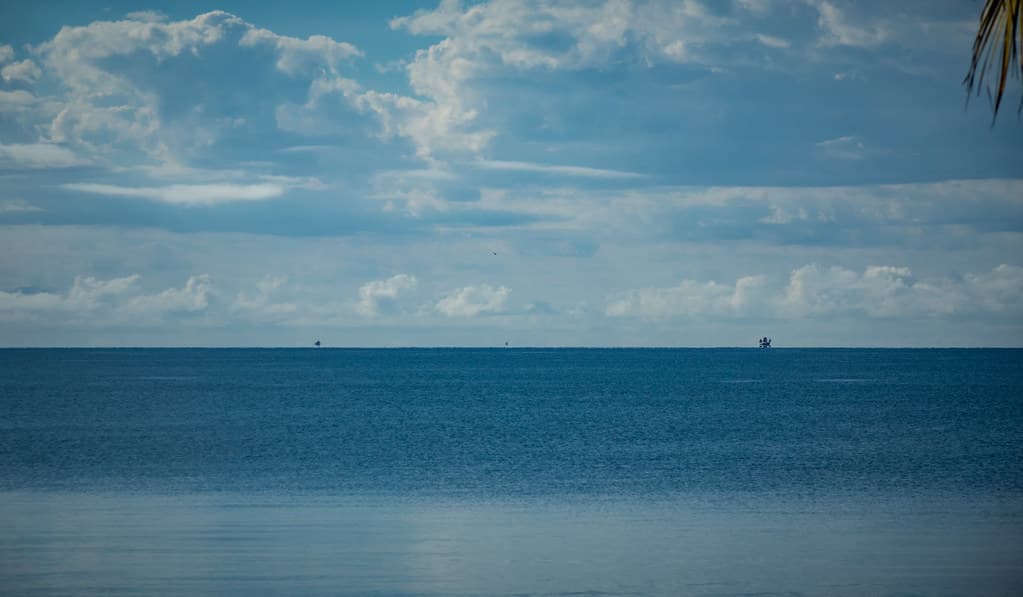
a beach with palm trees and the ocean in the background
Launch near yacht club ramp
Free electric grills under she-oaks
Masts silhouetted against mountain ranges
Where it is
Trinity Park Beach
Cairns, Queensland, Australia
-16.814100°, 145.713900°
Weather
Loading…
Swell
—
Temp
Warm · Restorative
UV Index
Moderate
Wind
—
Tidal State
Last known
Max Sunlight
—
Ideal Shade
—
May - Sep (Peak)
Jan - Dec (Off-season)
Historical data suggests peak visibility and stable sea temperatures occur during the prime visitation window.
Select a category to load nearby places.
Unlock restaurants, luxury stays and curated maritime experiences within 2km
Trinity Park Beach is generally suitable for swimming, though conditions vary seasonally. The calm waters near the boat ramp area are popular with families during the dry season (May-October). However, like all Cairns beaches, marine stingers (box jellyfish and irukandji) are present November through May, making swimming inadvisable unless in designated stinger enclosures. Crocodiles inhabit northern Queensland waters, so always observe warning signs. Check with Cairns council for current conditions and only swim in patrolled areas or stinger nets when available.
The dry season (May to October) offers the most pleasant conditions at Trinity Park Beach, with sunny days, lower humidity, and minimal rainfall. Water temperatures remain warm year-round (24-29°C), making it comfortable for swimming during these months without the marine stinger threat. November through April brings wet season conditions with afternoon storms, high humidity, and dangerous jellyfish, requiring protective stinger suits if swimming. Early mornings any time of year provide the calmest conditions for water activities and beach walks along this urban coastal stretch.
Trinity Park Beach is located approximately 15 kilometers north of central Cairns along the Captain Cook Highway. Drive north toward the northern beaches suburbs, turning into Trinity Park residential area near the boat ramp. Street parking is available along the foreshore, though spaces can fill during weekends and school holidays. The beach is accessible by local bus services connecting Cairns northern beaches. There's limited dedicated parking near the boat ramp area, so arriving early is advisable during peak times. The location is easily combined with visits to nearby Yorkeys Knob.
Trinity Park Beach is primarily a residential beach area with limited on-site facilities. Basic amenities like picnic tables and shade structures are available near the foreshore. For dining, cafes, and shops, head to nearby Yorkeys Knob (5 minutes north) or Machans Beach, which offer more developed beachfront services. The closest supermarkets and restaurants are in the Trinity Park shopping area, approximately 2 kilometers inland. Accommodation options are limited directly beachfront but expand in surrounding northern beaches suburbs. Visitors should bring supplies for a beach day, as immediate facilities are minimal.
Yes, Trinity Park Beach features a public boat ramp providing direct access to Trinity Bay and the Coral Sea. The concrete ramp accommodates trailer boats and is popular with local anglers and recreational boaters. Facilities include a parking area for vehicles with trailers, though space is limited during busy fishing periods. The protected bay location offers relatively calm launching conditions compared to more exposed coastal areas. Boaters use this access point for reef fishing, island trips, and general cruising. Check tide times, as shallow waters at low tide may affect launching depending on your vessel size.
Photos