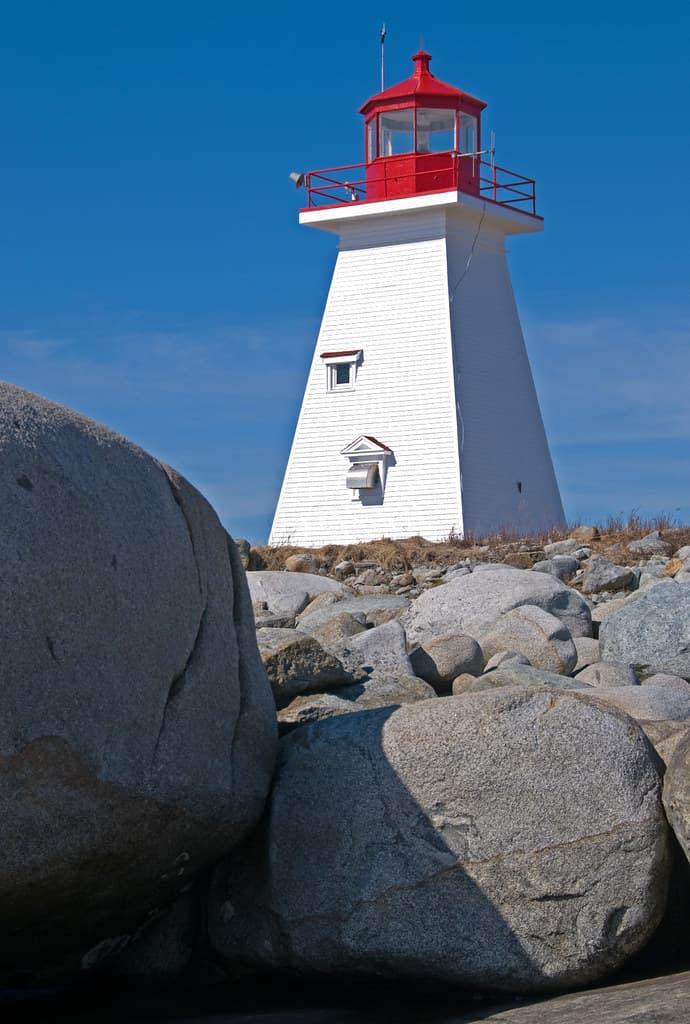
Counting the waves…
Counting the waves…
The track narrows as you drop into Bramwell Station, bull dust billowing behind your vehicle while pandanus palms scratch at your mirrors. You're 200 kilometers from Weipa, navigating creek crossings that change with each tide, and when the beach finally reveals itself—a broad sweep of sand flanked by paperbarks—you'll understand why only the determined make it here. You step onto sand still packed from the retreating tide, boot prints filling with water as ghost crabs scuttle toward their burrows. The coastline stretches empty in both directions, backed by dense bushland where wallabies emerge at dusk. During the dry season, you might share this coast with a handful of fellow overlanders camped beneath the stars; in the wet, you won't share it with anyone at all. This isn't a beach for lounging—it's a beach that rewards the journey. You'll pitch your swag on hard sand, cook damper over a campfire, and wake to the prehistoric calls of brolgas in the nearby wetlands. The reward isn't luxury; it's the knowledge that you've driven farther than most people will ever contemplate, to stand on a shore that feels like it belongs to another century entirely.
Places, rentals, tours and events within walking and driving distance of Bramwell Junction Beach.
Photos
Swimming at Bramwell Junction Beach requires extreme caution due to the presence of saltwater crocodiles, which inhabit Cape York's coastal waters year-round. Marine stingers (jellyfish) are also prevalent, particularly during the wet season from November to May. The remote location means no patrolled swimming areas, lifeguards, or immediate medical assistance. Most visitors enjoy the beach for its scenic beauty and photographic opportunities rather than swimming. If you do enter the water, stay alert, avoid dawn and dusk when crocodiles are most active, and never swim alone.
The best time to visit Bramwell Junction Beach is during the dry season, from May to October, when roads are more accessible and weather conditions are favorable. During this period, you'll experience cooler temperatures, minimal rainfall, and lower humidity. The wet season (November to April) brings heavy rains that can make 4WD tracks impassable and close many Cape York roads entirely. July through September offers the most comfortable conditions for camping and exploring. Always check road conditions with local authorities before attempting the journey, as accessibility varies significantly between seasons.
Bramwell Junction Beach is only accessible via high-clearance 4WD vehicle, as it requires navigating challenging Cape York tracks. The journey typically involves traveling through the Bramwell Junction area along the Peninsula Developmental Road and then taking rough bush tracks to the coast. A capable 4WD with proper recovery gear, spare tires, and satellite communication is essential. Parking is informal along the beach and surrounding areas, typically on sandy or cleared ground. Always travel with detailed maps, GPS coordinates, and preferably in convoy with other vehicles due to the remote location and potential for vehicle breakdowns.
Bramwell Junction Beach is extremely remote with no facilities, shops, or formal accommodation nearby. Visitors must be completely self-sufficient, bringing all food, water, fuel, camping equipment, and supplies. The nearest services are typically at Bramwell Station (if operating) or significantly further south at communities like Coen or Weipa, which can be hours away by 4WD. Bush camping is the only option, and you'll need to bring everything including waste disposal systems, as there are no toilets or fresh water sources. Proper trip planning and carrying emergency supplies is essential for this wilderness experience.
Access to Bramwell Junction Beach and surrounding Cape York areas may require permits depending on the specific route and land ownership. Some tracks cross Aboriginal freehold land or pastoral leases requiring permits from Traditional Owners or station managers. The Northern Peninsula Area (NPA) requires permits for travel through certain Indigenous lands. It's essential to research your specific route and obtain necessary permissions before departure. Contact the local council, Cape York Land Council, or tour operators for current permit requirements. Additionally, camping permits may be needed, and always respect any signage indicating private property or restricted areas.