Counting the waves…
Counting the waves…

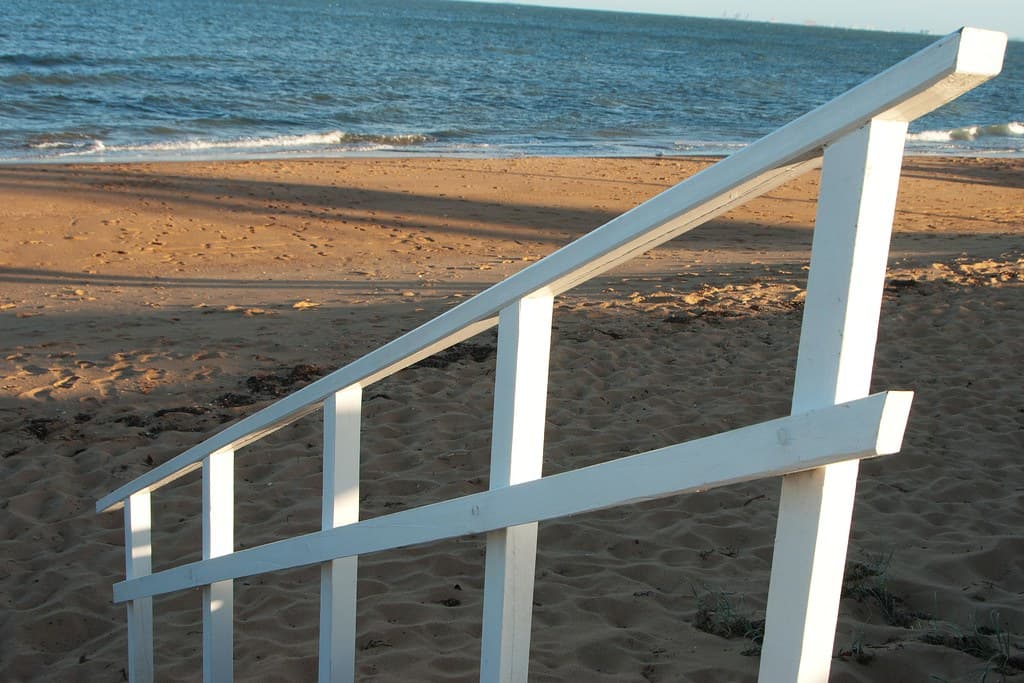
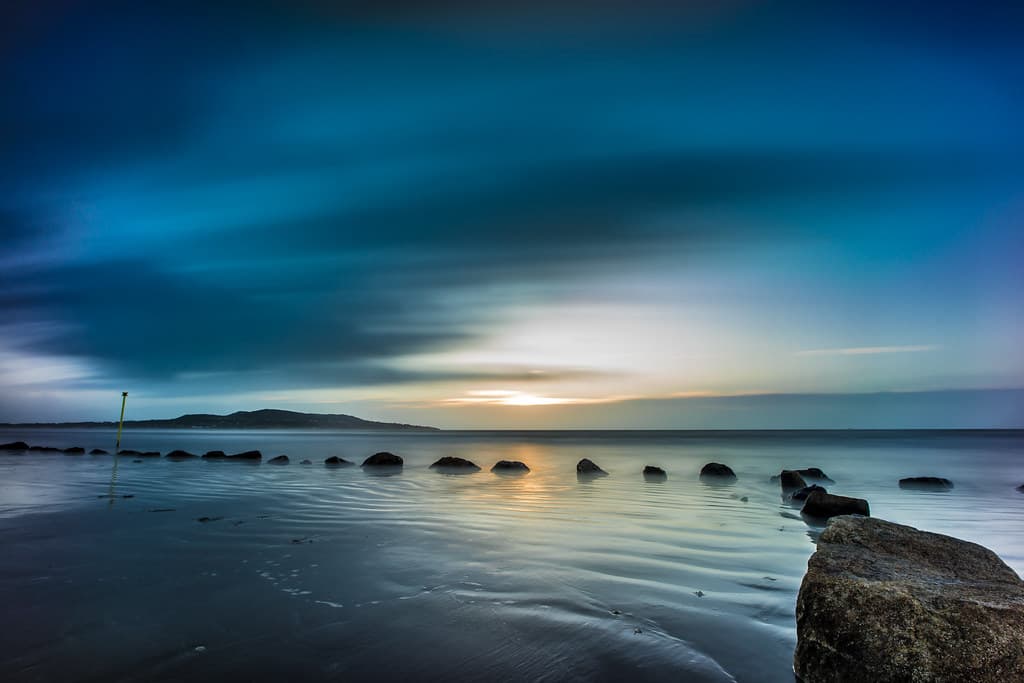
Clontarf unfolds along a gentle crescent where Hornibrook Esplanade meets Moreton Bay, fifteen minutes north of Brisbane's CBD. The beach itself is more mudflat than surf break—tidal rhythms dictate when you'll actually swim versus when you'll watch wading birds pick through exposed sand. Families arrive with eskies and shade tents, claiming spots beneath the towering Norfolk Island pines that line the foreshore parkland. The scent of barbecued onions drifts from the free electric grills most afternoons. This is a beach built for routine rather than spectacle. Locals time their visits around the tide charts pinned to cafe noticeboards, knowing the narrow window when the bay fills enough for a proper swim. The Wynnum-Manly Esplanade Bikeway runs the entire length, bringing cyclists and joggers in steady rhythm from dawn onward. You'll share the sand with dog walkers and retirees doing their constitutional laps, punctuated by the occasional kite-surfer when the easterlies pick up. Sunset delivers Clontarf's standout moment. The western sky ignites in apricot and violet, silhouetting the palms and pines while the glassy bay reflects every gradient. Couples spread picnic rugs on the grassed reserve just above the sand. It's unpretentious, deeply functional, and woven into the weekly cadence of a city that values its easy relationship with tidal saltwater.
Places, rentals, tours and events within walking and driving distance of Clontarf Beach.
Photos
Clontarf Beach is generally safe for swimming, though it's an unpatrolled beach without lifeguards on duty. The waters are typically calm due to its sheltered Moreton Bay location, making it suitable for families with children. However, marine stingers can be present during summer months (November-May), so consider wearing protective clothing. Always check local conditions before entering the water, supervise children closely, and swim during daylight hours. The shallow, gentle waters make it more appropriate for paddling and wading than serious swimming.
Clontarf Beach is enjoyable year-round thanks to Queensland's subtropical climate. Winter (June-August) offers comfortable temperatures around 20-25°C with lower humidity, ideal for beach walks and picnics. Summer (December-February) is warm and popular for swimming, though it can be hot and humid. The beach is particularly famous for stunning sunsets over Moreton Bay, best viewed during the drier winter months when skies are clearer. Weekday visits tend to be quieter, while weekends attract more local families.
Clontarf Beach is located approximately 20 kilometres northeast of Brisbane CBD. By car, take the Gateway Motorway north and follow signs to Clontarf via Anzac Avenue. Free parking is available along Elizabeth Avenue and King Street near the beach. Public transport options include catching a train to Manly station, then a bus or short taxi ride to Clontarf. The area is also accessible by bike via local cycling paths. Parking is generally plentiful except during peak weekend periods and holidays.
Clontarf Beach has excellent facilities including public toilets, showers, picnic tables, and barbecue areas in the beachfront reserve. The nearby Clontarf Beach Café and Tavern offers casual dining with water views. Additional cafés and restaurants are found along the Hornibrook Esplanade and in neighbouring Redcliffe. There's a children's playground adjacent to the beach. While accommodation directly on Clontarf Beach is limited, nearby Redcliffe (5 minutes away) offers hotels, motels, and holiday apartments for overnight stays.
Clontarf Beach's Moreton Bay location provides opportunities to spot marine wildlife, particularly dolphins which are regularly seen in the bay waters, especially during early morning or late afternoon. Bird watchers can observe various coastal species including pelicans, terns, and waders along the shoreline and nearby mangroves. During migration season (June-November), you might spot humpback whales breaching in the distance. The shallow waters occasionally attract stingrays and small fish. The adjacent wetlands and mangrove areas support diverse birdlife year-round.