Counting the waves…
Counting the waves…

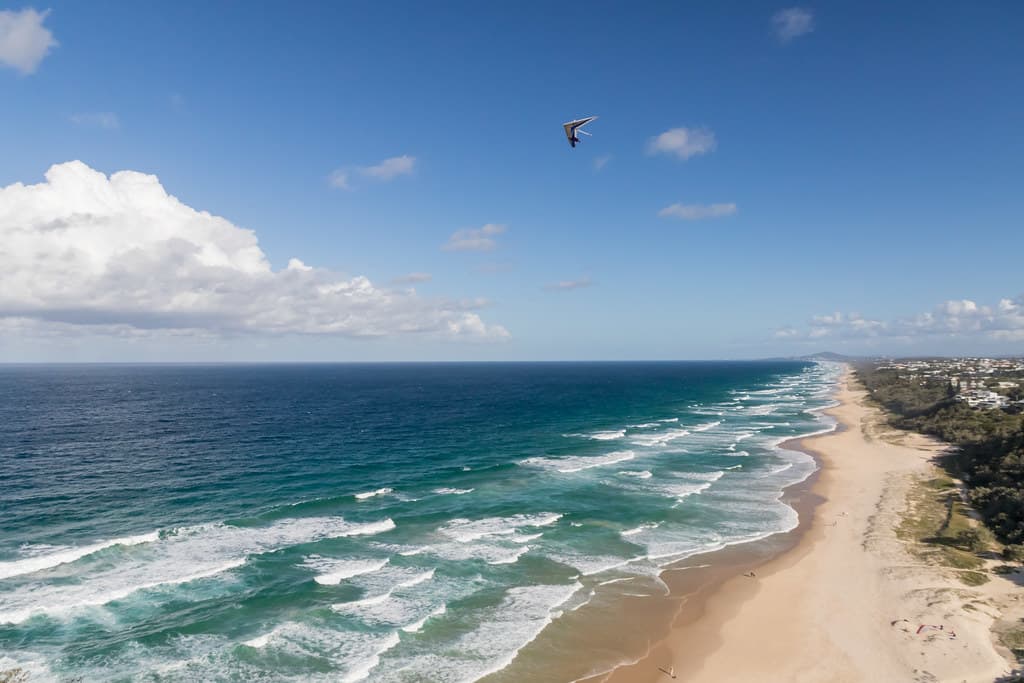
Coolum Beach unfurls for nearly two kilometers, bookended by rocky headlands that shelter a beach break beloved by three generations of Queensland surfers. The sand here is coarse enough to anchor your towel on breezy afternoons, and the shorebreak thunders with enough force that you'll feel it vibrate through your feet. Mount Coolum rises 208 meters directly behind the township, its bare granite dome watching over every session like a benevolent deity. The main break sits straight out from the surf club, where you'll paddle into waves shaped by sandbars that shift with each winter swell. Mornings bring glassy conditions and a lineup thick with locals who nod you into sets if you wait your turn. By noon, the nor'easter typically kicks in, and the beach transforms into a playground for boogie boarders and bodysurfers riding the inside reforms. The northern end offers mellower corners for longboarders, while the southern rocks hide deeper gutters where bigger sets unload. Beyond the surf, the beachfront village retains an unhurried rhythm that disappeared from most Sunshine Coast towns decades ago. You'll find proper fish and chips served in butcher paper, not Instagram-ready poke bowls. The esplanade footpath connects to coastal trails that weave through pandanus groves and banksia woodland, where you might spot sea eagles circling thermals above the headland. Come prepared for sun that bites harder than you expect this close to the Tropic of Capricorn.
Places, rentals, tours and events within walking and driving distance of Coolum Beach.
Photos
Coolum Beach is patrolled by lifeguards daily during peak seasons and weekends year-round, with flagged swimming areas indicating the safest zones. The beach features consistent surf breaks, so conditions can vary from gentle shore breaks to moderate swells. Always swim between the red and yellow flags where lifeguards monitor conditions. Rips can occur, particularly near the headland at the northern end. Check the surf lifesaving app or speak with lifeguards about current conditions before entering the water, especially if you're an inexperienced swimmer.
Coolum Beach is enjoyable year-round with a subtropical climate. Summer (December-February) offers warm water temperatures around 25-27°C, ideal for swimming but can be crowded and humid with occasional afternoon storms. Winter (June-August) brings drier weather, comfortable temperatures of 20-24°C, and excellent surf conditions, though water is cooler at 20-22°C. Autumn and spring provide pleasant conditions with fewer crowds. For surfing, winter produces more consistent swells, while summer offers warmer water and beginner-friendly waves.
Coolum Beach offers several parking options along David Low Way, the main beachfront road. Free street parking is available on surrounding streets, though it fills quickly during summer and weekends. Paid parking areas are located near the surf club and Tickle Park, with rates typically around $2-4 per hour or $10-15 for all-day parking. The beach is approximately 100km north of Brisbane via the Bruce Highway, then following Sunshine Motorway to Coolum. Public transport options are limited, so driving is the most practical option.
Coolum's beachfront precinct features numerous cafes, restaurants, and takeaway options along David Low Way and Birtwill Street, ranging from casual fish and chips to upscale dining. The Coolum Surf Club offers affordable meals with ocean views. Accommodation includes beachfront resorts, holiday apartments, motels, and Airbnb rentals within walking distance of the sand. Nearby shopping centres provide groceries and essentials. The town caters well to families and surfers, with numerous options at various price points, though booking ahead is recommended during school holidays and summer.
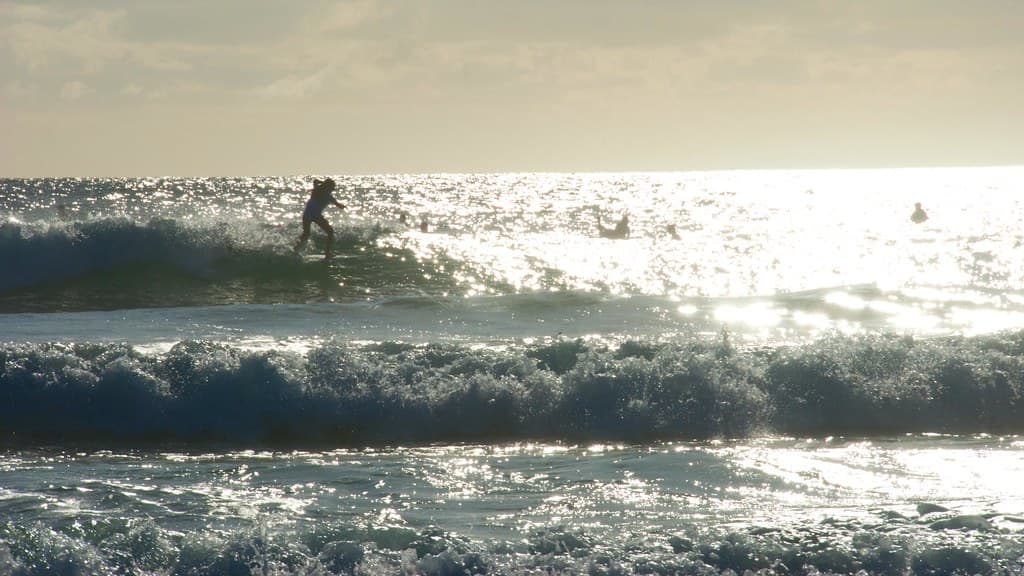
Coolum Beach is renowned for its consistent, quality surf breaks suitable for various skill levels. The main beach offers beach breaks with multiple peaks, ideal for beginners to intermediate surfers. The northern end near Coolum Headland (Point Perry) produces right-hand point breaks during larger swells, attracting experienced surfers. Conditions are typically best during south to southeast swells, particularly in winter. Several surf schools operate locally for lessons. Early mornings usually offer cleaner conditions with offshore winds before afternoon sea breezes. The beach can handle various swell sizes throughout the year.