
Counting the waves…
Counting the waves…

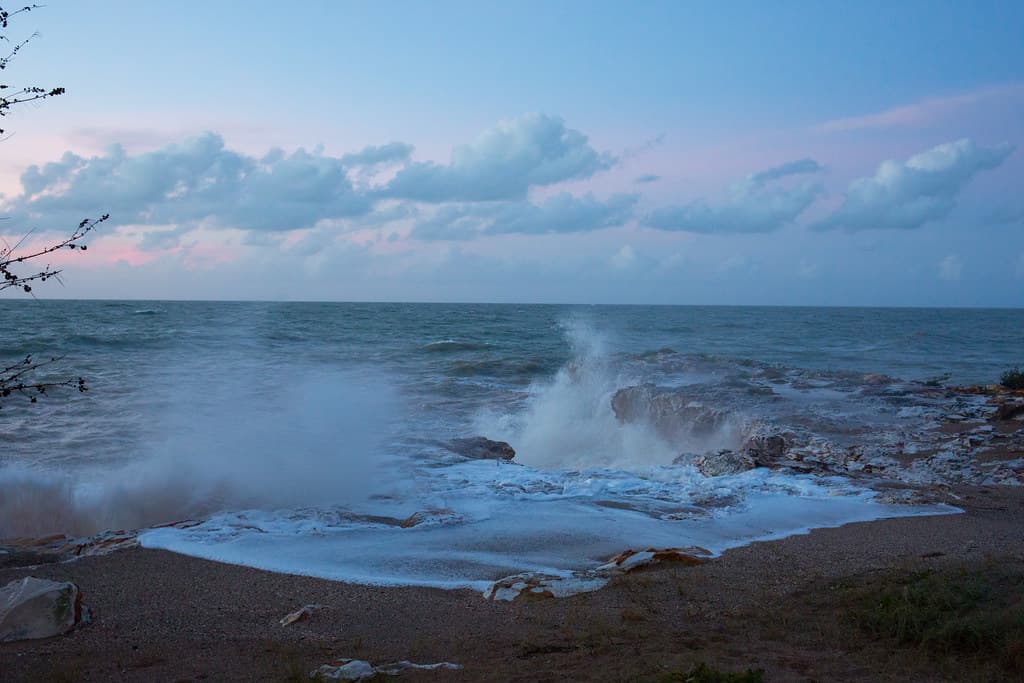
The water at South End runs gin-clear over ribbed sand, warming in the shallows until it feels like bathwater by mid-morning. You'll wade out thirty metres and still find bottom, watching small fish dart between patches of seagrass that sway with the current. Driftwood logs, bleached bone-white by sun and salt, scatter the high-tide line—some large enough to sit on while you towel off and watch the occasional fishing boat motor past the headland. This is Curtis Island's named beach, the one locals mention when mainlanders ask where to anchor for lunch. There's no café, no patrol flags, no footpath—just a crescent of sand backed by coastal heath that hums with bees in spring. The island itself is industrial on its northern tip, but South End remains untouched, its shoreline curving gently toward rocky outcrops where cormorants spread their wings to dry. You'll share the sand with perhaps two other boats on a busy Saturday, fewer on weekdays. Pack everything in—water, shade, snacks—and pack it out. The reward is a few hours on a beach that feels borrowed from another century, where the only decision is whether to swim now or wait until the tide shifts and reveals even more sand to explore barefoot.
Places, rentals, tours and events within walking and driving distance of South End Beach.
Photos
Swimming conditions at South End Beach vary with tides and weather. The beach is exposed to open waters, so currents can be strong, particularly during tidal changes. There are no lifeguard patrols or stinger nets, so swimmers should exercise caution year-round. Between November and May, marine stingers including jellyfish may be present in Queensland coastal waters. Always check local conditions before entering the water, swim during calm weather, and consider wearing protective clothing. If you're unfamiliar with the area, staying in shallow water near shore is advisable.
South End Beach can be visited year-round, with each season offering different advantages. April to October brings cooler, drier weather with lower humidity and minimal rainfall, making it ideal for beach activities and camping. Water temperatures remain comfortable throughout the year due to Queensland's subtropical climate. November to March is warmer and wetter with occasional tropical storms, though this period offers lush surroundings and fewer visitors. For the most pleasant conditions, the winter months (June-August) provide sunny days, mild temperatures, and calm seas perfect for exploring.
South End Beach is accessible only by boat, as Curtis Island has no bridge or public ferry service. Private vessels can be launched from Gladstone Marina or other local boat ramps on the mainland, approximately 10-15 kilometres across the harbour. The journey typically takes 30-45 minutes depending on your departure point and boat speed. Some local charter operators offer transport services to Curtis Island. Beach landings depend on tides, so plan accordingly. There are no roads or parking facilities on the island itself; access is entirely waterborne.
South End Beach is an undeveloped location with no commercial facilities, accommodation, or amenities. Visitors must be completely self-sufficient, bringing all food, water, camping equipment, and supplies. There are no shops, restaurants, toilets, or freshwater sources available. Some areas of Curtis Island permit camping with proper preparation, but check regulations beforehand. The nearest services are in Gladstone on the mainland, where you'll find supermarkets, restaurants, and accommodation ranging from hotels to holiday parks. Plan carefully and pack out all rubbish to preserve this pristine environment.
Curtis Island is home to major liquefied natural gas (LNG) facilities on its northern end, but South End Beach is located at the opposite end of the island, providing a more natural coastal experience. Depending on your exact position and weather conditions, industrial structures may be visible in the far distance, but the southern beach areas generally offer scenic, relatively undisturbed island views. The island is large enough that the southern beaches maintain their remote character. Most visitors choose South End specifically for its separation from the developed industrial areas.