Counting the waves…
Counting the waves…

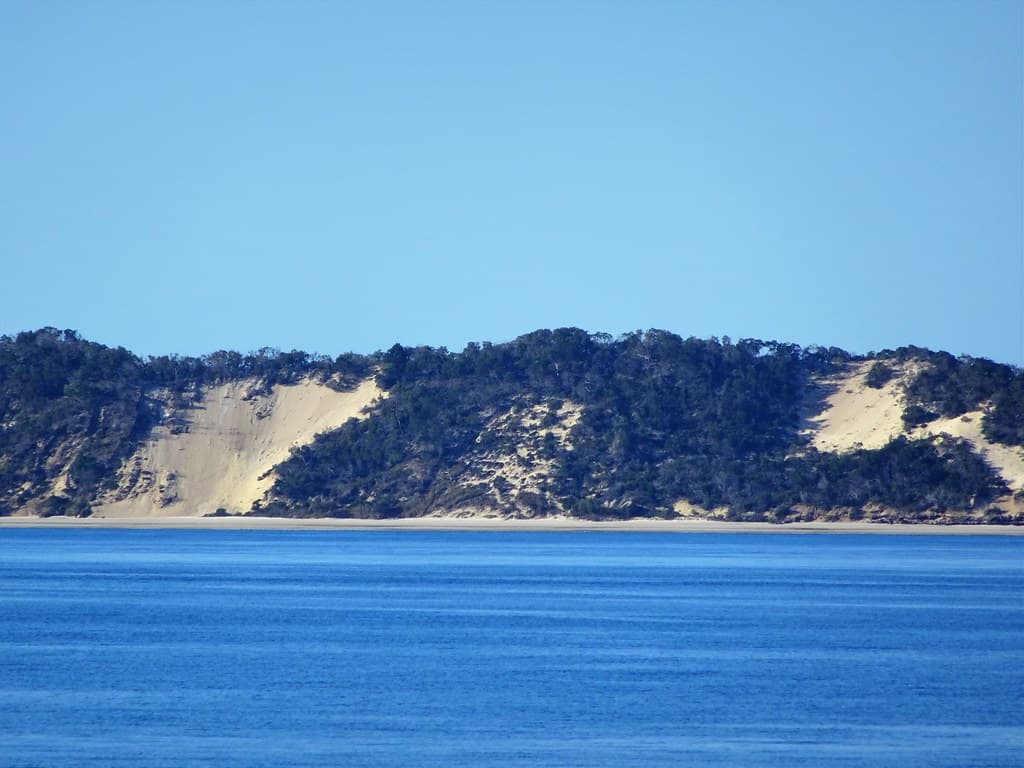
The walking track deposits you at Pallon Beach through a tunnel of Calophyllum trees, their branches draped in elkhorn ferns. No resorts anchor this shoreline—just a ribbon of sand that curves beneath vine-wrapped boulders and the occasional strangler fig whose roots cascade like frozen waterfalls. The bay's northern aspect means flat water most days, the kind of glassy surface that mirrors the ridge behind you and makes kayaking feel like gliding through sky. You'll notice the sand first: ground coral mixed with silica that squeaks underfoot and holds the warmth of the morning long into afternoon. At low tide, tide pools collect between the granite platforms flanking the beach, each one a temporary aquarium of sergeant majors and blue-green chromis. The reef shelf extends a hundred meters offshore, close enough to snorkel without a boat but far enough that visibility stays sharp. Bring everything in your pack—no kiosks, no chair rentals, no freshwater showers. The isolation is the point. Mid-morning, before the water taxi crowds arrive at Muggy Muggy Beach to the south, you might share Pallon with a lone bush turkey scratching through leaf litter or a pair of Torres Strait pigeons drinking from a seep in the rocks. The silence here is textured: rustling canopy, wavelets folding onto sand, the occasional crack of a tree limb adjusting in the heat.
Places, rentals, tours and events within walking and driving distance of Pallon Beach.
Photos
Pallon Beach on Dunk Island generally offers calm, protected waters suitable for swimming, particularly during the dry season (May to October). As with most tropical Queensland beaches, be aware of marine stingers (jellyfish) during summer months (November to May), when protective stinger suits are recommended. The beach is relatively sheltered, creating gentler conditions than exposed mainland beaches. Always check current conditions before entering the water, watch for any posted warnings, and supervise children closely. Crocodiles are rare on Dunk Island but remain vigilant near creek mouths and shaded areas.
Pallon Beach is accessible year-round, but the dry season (May to October) offers ideal conditions with lower humidity, minimal rainfall, and comfortable temperatures averaging 20-27°C. This period provides calmer seas and excellent visibility for snorkeling. The wet season (November to April) brings tropical downpours, higher humidity, and the presence of marine stingers, though the landscape is lush and visitor numbers are lower. Winter months (June to August) deliver the most pleasant weather, making it peak season for most travelers seeking perfect beach days.
Reaching Pallon Beach requires traveling to Dunk Island first, accessible via water taxi or private charter from Mission Beach (approximately 20 minutes). Once on Dunk Island, Pallon Beach sits on the western side and can be reached by hiking trails from the main resort area or other landing points. There are no roads or parking facilities on the island. Most visitors arrange day trips through local operators from Mission Beach. Some choose to camp on designated areas of Dunk Island (permits required), allowing extended time to explore beaches including Pallon Beach.
Pallon Beach has no facilities, restaurants, or formal amenities directly on-site. Visitors should bring all food, water, sun protection, and supplies needed for the day. The main Dunk Island resort area, currently undergoing redevelopment, may offer limited services depending on timing of your visit. Camping is permitted in designated zones on Dunk Island with proper permits from Queensland Parks and Wildlife Service. Most travelers visit Pallon Beach as a day trip from Mission Beach, where full accommodation, dining, and shopping options are available before and after your island adventure.
Pallon Beach stands out for its secluded, pristine character compared to the busier beaches near the main resort area. Its western-facing position offers spectacular sunset views across the Coral Sea and toward the mainland. The beach features exceptionally white sand and typically quieter surroundings, making it ideal for those seeking solitude and natural beauty. Unlike the more accessible beaches, Pallon Beach requires a deliberate hike or boat positioning to reach, meaning fewer crowds. The surrounding rainforest backdrop creates an intimate, undeveloped atmosphere that feels genuinely remote despite the island's relative accessibility.