Counting the waves…
Counting the waves…

The ferry from Gladstone Marina takes twenty minutes, cutting across Auckland Inlet while cormorants skim the surface. As you step onto the timber jetty, Facing Island Beach unfolds to your left—a gently curved shoreline backed by she-oak trees that whisper in the onshore breeze. The sand is coarse underfoot, more beige than white, studded with fragments of pipis and moon snails. At low tide, the waterline pulls back two hundred metres, leaving behind shallow pools warm enough to wade through without flinching. Families spread picnic blankets under the pandanus groves, where the shade is dappled and the ground smells faintly of resin. The beach faces west across the harbour, so the afternoon light turns the water bronze, and container ships on the horizon look like toys against the mainland hills. There are no kiosks or surf clubs here—just a handful of weatherboard cottages set back from the sand, their verandahs strung with fishing nets and crab pots. You'll share the beach with pelicans that glide in at dusk and the occasional local who knows exactly where the whiting run. When the tide starts to turn, you'll hear it before you see it: a soft hiss as the water reclaims the flats, erasing your footprints one by one.
Places, rentals, tours and events within walking and driving distance of Facing Island Beach.
Photos
Facing Island Beach offers generally calm swimming conditions, particularly in the sheltered bays. The waters are typically clear and suitable for families. However, as with any beach, conditions vary with tides and weather. Be mindful of seasonal marine stingers (October-May) and always swim during daylight hours. There are no lifeguard patrols or stinger nets, so take appropriate precautions. Check local conditions before entering the water and supervise children closely. The beach's protected location usually means gentler waves compared to ocean-facing beaches.
Facing Island Beach can be enjoyed year-round thanks to Queensland's subtropical climate. Winter months (June-August) offer pleasant temperatures around 20-24°C with lower humidity and minimal rainfall, making it ideal for beach activities. Summer (December-February) brings warmer weather perfect for swimming, though occasional afternoon storms occur. Avoid peak stinger season (October-May) if concerned about marine stingers, or wear protective clothing. Weekdays are generally quieter than weekends. Early morning visits offer calm conditions and potential wildlife sightings.
Facing Island is accessible only by boat from Gladstone Marina on the mainland. Regular passenger ferry services operate from the Gladstone Marina, with journey times around 15-20 minutes. Some operators offer scheduled services while others provide private charters. Book ferry tickets in advance, especially during peak seasons and weekends. There's no vehicle access to the island, so you'll explore on foot. Check current ferry schedules and weather conditions before planning your trip, as services may be affected by adverse weather.
Facing Island has very limited facilities and no commercial food outlets or accommodation. Visitors should bring all necessary supplies including food, water, sunscreen, and beach equipment from Gladstone. There are basic amenities like toilets at some locations, but facilities are minimal. Pack out all rubbish to preserve the island's natural environment. The nearest shops, restaurants, and lodging are in Gladstone town centre. Plan as a day trip and come prepared with everything you need for a comfortable beach visit.
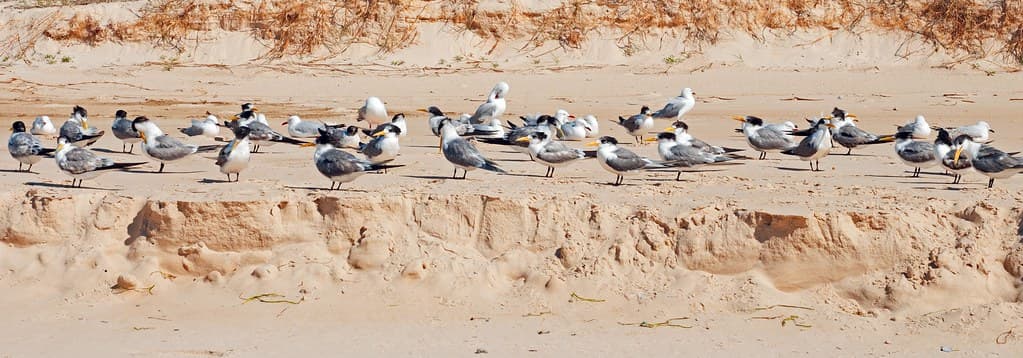
Facing Island offers excellent opportunities for wildlife observation. The island and surrounding waters support diverse marine life including dolphins, dugongs, and sea turtles, which are occasionally spotted from the beach or during boat transfers. Birdwatchers can observe various coastal and seabird species. The area forms part of the southern Great Barrier Reef ecosystem. Early morning or late afternoon visits increase wildlife sighting chances. Bring binoculars for better viewing and maintain respectful distances from any animals you encounter to avoid disturbing them.