Counting the waves…
Counting the waves…

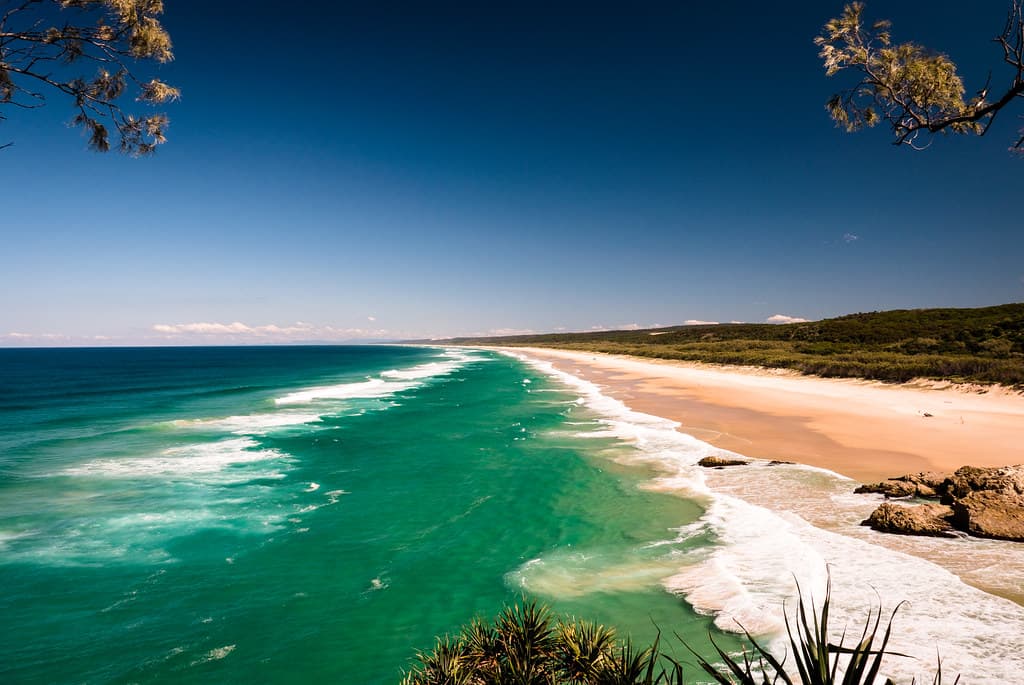
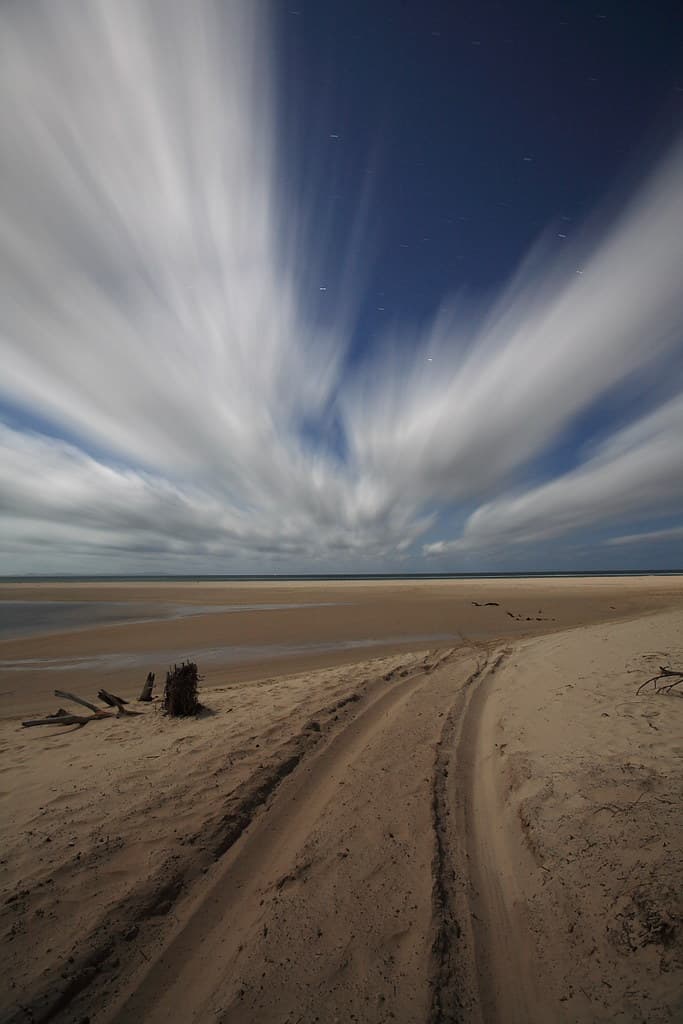
The four-wheel-drive track spits you out onto a beach that feels more rumor than reality—an endless sweep of golden sand hemmed by low dunes and the kind of surf that makes your chest tighten. Flinders Beach runs the length of North Stradbroke's ocean side, a five-kilometer corridor where the Tasman Sea meets Queensland with unceremonious force. Salt hangs in the air. Terns wheel overhead. Your tires carve fresh lines in sand still damp from the last high tide. This is camping country. The designated zones behind the foredunes fill with adventurers who carry in their own water, their own firewood, their own tolerance for solitude. By day you walk for hours without seeing another soul—just the occasional washed-up nautilus shell, a tangle of bull kelp, driftwood sculptures carved by storm and time. The beach faces southeast, catching swells that march in from the southern ocean, and when conditions align, the waves peel left with enough shape to keep experienced surfers honest. As the sun drops, the sky turns apricot then bruised purple, and campfires flicker to life along the beach. You boil water for instant coffee, shake sand from your sleeping bag, and listen to the ocean's steady percussion. Out here, far from the ferry terminal and the day-trippers clustering around Point Lookout, Flinders Beach rewards those willing to rough it—no showers, no cell service, just the raw satisfaction of a coastline that hasn't forgotten what wild means.
Places, rentals, tours and events within walking and driving distance of Flinders Beach.
Photos
Flinders Beach is an unpatrolled ocean beach with strong currents, powerful surf, and potential rips, making it best suited for experienced swimmers only. The remote location means no lifeguards are present. Most visitors enjoy wading, surfing, or beach walks rather than swimming. Always check conditions before entering the water, never swim alone, and stay close to shore. The beach's eastern ocean exposure can create challenging conditions, especially during rough weather. For safer swimming, consider the calmer western bay beaches on North Stradbroke Island.
Flinders Beach is accessible year-round, with each season offering different experiences. Winter (June-August) brings cooler temperatures, fewer crowds, and excellent whale watching opportunities as humpbacks migrate along the coast. Summer (December-February) offers warm weather ideal for camping and beach activities, though it's busier and more humid. Spring and autumn provide mild temperatures and comfortable conditions for coastal walks and exploration. The beach's remote nature means it remains relatively uncrowded even during peak periods, making any season suitable for those seeking a peaceful, natural beach experience.
Flinders Beach is located on North Stradbroke Island's eastern coast, accessible only by 4WD vehicle. From Brisbane, take the vehicle ferry from Cleveland to Dunwich (approximately 45 minutes). Once on the island, you'll need a 4WD to traverse the beach access tracks from either Dunwich or Point Lookout. A Queensland vehicle access permit is required for beach driving. Parking is on the beach itself or at designated camping areas. Standard 2WD vehicles cannot reach Flinders Beach. Plan for tide times, as some sections become impassable during high tide.
Flinders Beach is a remote, undeveloped beach with no facilities, shops, or permanent amenities. Bush camping is permitted in designated areas, but you must be completely self-sufficient, bringing all food, water, cooking equipment, and camping gear. The nearest services, including accommodation, restaurants, and shops, are in Point Lookout or Dunwich, both requiring a 4WD trip to reach. No fresh water is available at the beach. Mobile phone reception is limited or non-existent. Visitors must carry out all rubbish and practice Leave No Trace principles.
Yes, Flinders Beach stretches approximately 20 kilometers and is drivable along most of its length with a 4WD vehicle, though conditions vary significantly. Tide times are critical—driving is safest during low to mid-tide when the sand is firmest. High tide can make sections impassable and dangerous. Soft sand patches require appropriate tire pressure reduction and 4WD experience. Rocky outcrops and headlands at certain points may limit access depending on tides. Always check tide charts before attempting the drive, travel with recovery equipment, and inform someone of your plans.