
Counting the waves…
Counting the waves…

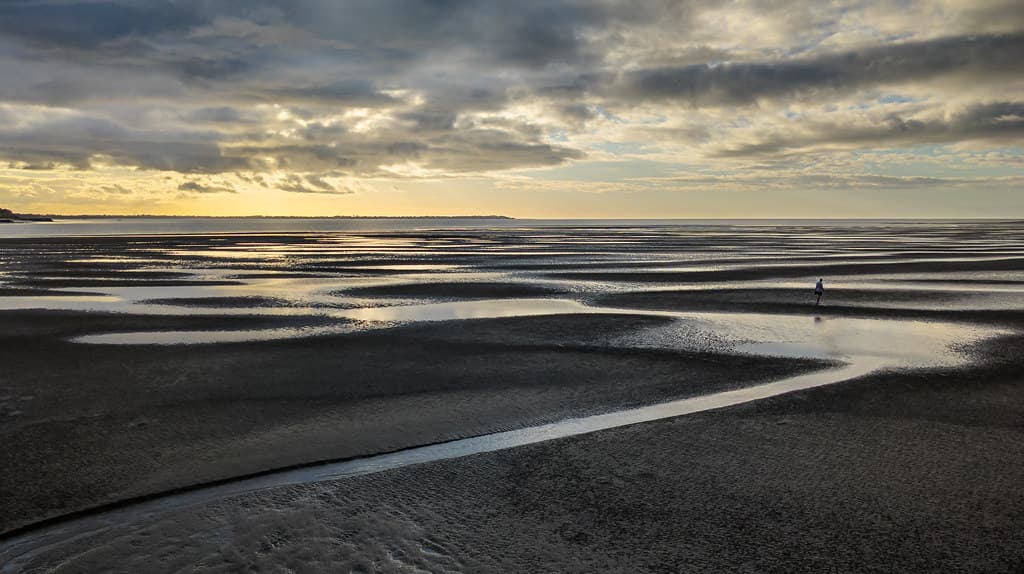
Step onto the honey-coloured sand and you'll notice what's missing: surf. Protected by Fraser Island's bulk thirty kilometres offshore, Torquay Beach offers water as placid as a bay-side swimming pool, lapping gently at the compact shore. Families stake out patches beneath the Norfolk pines that march along the esplanade, their roots buckling the brick pavement in places, their canopies creating pockets of deep shade even at midday. The beach runs narrow but long, stretching east from Urangan Pier toward Scarness, with a gentle slope that lets you walk fifty metres out before the water reaches your chest. Lifeguards patrol the flagged section year-round, though the absence of rips and waves makes this one of the Fraser Coast's safest swims. Low tide exposes sandbars where children crouch with buckets, hunting soldier crabs that scatter in synchronized bursts. The esplanade hums with a functional energy—cyclists in fluoro vests, retirees pushing walkers, backpackers checking their phones outside budget motels. Food trucks park near the playground, selling battered flathead and chips in greasy paper. By late afternoon, the western-facing shoreline catches gold light that turns the shallow water amber, and you'll spot locals wading in with masks, scanning the sandy bottom for stingrays gliding past like shadows.
Places, rentals, tours and events within walking and driving distance of Torquay Beach.
Photos
Torquay Beach is generally safe for swimming year-round, with calm, protected waters ideal for families and children. The beach is patrolled by lifeguards during peak seasons and school holidays. Hervey Bay's unique geography, sheltered by Fraser Island, creates gentle waves and minimal currents. Stinger nets are typically installed during jellyfish season (November to May). Always swim between the red and yellow flags when lifeguards are on duty, and check local signage for daily conditions and any marine life warnings before entering the water.
Torquay Beach is enjoyable year-round thanks to Hervey Bay's subtropical climate. Peak season runs July to November, offering warm, dry weather and excellent whale-watching opportunities as humpback whales migrate through the bay. Water temperatures remain comfortable throughout the year, ranging from 21°C in winter to 27°C in summer. The wet season (December to March) brings occasional afternoon storms but still plenty of sunshine. For fewer crowds and pleasant conditions, consider visiting during the shoulder seasons of April-June or September-October.
Torquay Beach is easily accessible along Hervey Bay's Esplanade, with multiple free parking areas directly adjacent to the beach. Street parking is available along the Esplanade and surrounding residential streets. The beach is approximately 4 kilometres from Hervey Bay's town centre and well-signposted. If staying locally, the area is very walkable, with dedicated footpaths and bike paths along the waterfront. Public buses service the Esplanade area. During peak holiday periods, arrive early to secure convenient parking spots near your preferred beach access point.
Torquay Beach offers excellent facilities including public toilets, showers, picnic tables, barbecue areas, and shaded pavilions. The adjacent Esplanade features numerous cafes, restaurants, and takeaway options within walking distance, serving everything from casual fish and chips to contemporary dining. Accommodation ranges from beachfront resorts and hotels to holiday apartments and caravan parks. You'll find playgrounds, exercise equipment, and a pier nearby. Supermarkets and shops are available in Torquay and nearby Scarness. The beach is part of a 14-kilometre foreshore precinct with continuous amenities.
Yes, Torquay Beach offers excellent whale-watching opportunities from shore during the annual humpback whale migration season, typically from late July through October. Hervey Bay is renowned as one of Australia's premier whale-watching destinations, and these gentle giants often come remarkably close to shore in the bay's calm, protected waters. While you can spot whales directly from Torquay Beach, many visitors also take dedicated whale-watching tours departing from nearby Urangan Harbour for closer encounters. Bring binoculars for the best land-based viewing experience.