Counting the waves…
Counting the waves…

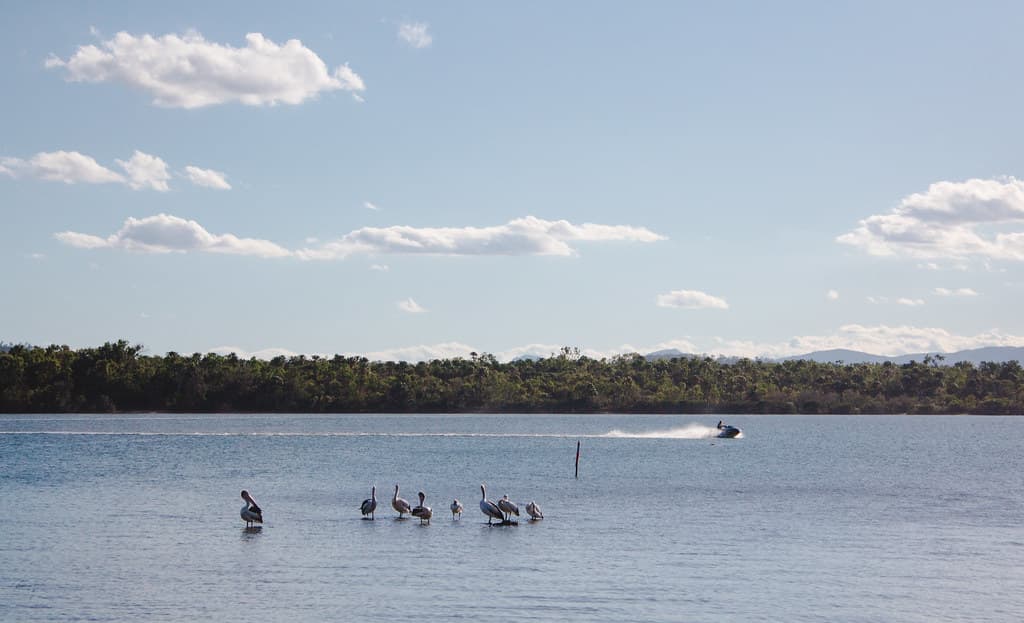
You park on a narrow gravel shoulder where banksia scrub meets residential quiet, then follow a sandy track that opens onto a kilometre of beach emptier than any highway strip this close to Yeppoon deserves to be. Tanby faces due east, so sunrise spills gold across the Coral Sea and lights up the dunes behind you. Mornings bring dog walkers and the occasional surfer checking the break, but by midweek you might share the shore with only reef herons stalking the shallows. The sand here is coarser than resort beaches to the north—crushed shell and coral fragments that crunch underfoot and glow pink near the high-tide wrack. Offshore, rocky outcrops attract bream and flathead; locals cast from the southern rocks while their thermoses steam in the salt air. There's no surf club, no flagged swim zone, no kiosk selling overpriced smoothies—just paperbarks leaning landward from decades of onshore wind. Low tide exposes tide pools swarming with hermit crabs and the occasional blue swimmer. You'll notice how few footprints trail ahead of you, how the only structures in sight are weatherboard cottages set well back in the scrub. This is the Capricorn Coast before master planning, where the beach dictates the rhythm and you set your own flags.
Places, rentals, tours and events within walking and driving distance of Tanby Beach.
Photos
Tanby Beach is generally suitable for swimming, though it's an unpatrolled beach, so swimmers should exercise caution and stay within their depth. As an east-facing beach on the Capricorn Coast, it can experience ocean swells and changing conditions. Check local weather and tide information before entering the water. The beach's quieter, more natural setting means fewer people around in case of emergencies. Swim during calm conditions, avoid swimming alone, and be mindful of marine stingers during summer months (November-May) when protective clothing is recommended.
Tanby Beach is accessible year-round, with each season offering different advantages. Winter (June-August) provides mild, dry weather with comfortable temperatures around 20-24°C, ideal for beach walks and swimming without stinger concerns. Summer (December-February) is warmer but more humid with occasional rainfall and potential marine stingers. Spring and autumn offer pleasant conditions with fewer crowds. Early mornings provide the calmest conditions and best light for the scenic coastline. The beach's east-facing position makes it perfect for sunrise viewing throughout the year.
Tanby Beach is located near Kinka Beach, approximately 30 kilometres north of Yeppoon along the Capricorn Coast. Access the beach via Tanby Road off the main Scenic Highway. Parking is available at informal roadside areas near the beach access points. The beach is less developed than nearby Yeppoon beaches, so facilities are limited. A 2WD vehicle can reach the area, though some access tracks may be unsealed. From Rockhampton, the drive takes around 45 minutes. The quieter location means parking is rarely an issue, even during peak periods.
Tanby Beach itself has minimal facilities, reflecting its natural, undeveloped character. For amenities, head to nearby Kinka Beach (a few minutes' drive) where you'll find limited local shops and accommodation options. Yeppoon, approximately 15-20 minutes south, offers the closest comprehensive services including supermarkets, restaurants, cafes, and various accommodation from motels to holiday apartments. The Kinka Beach area has some holiday rentals and caravan parks. Plan ahead by bringing food, water, and beach supplies, as you won't find shops or cafes at the beach itself.
Tanby Beach stands out for its undeveloped, natural atmosphere compared to busier Capricorn Coast beaches like Yeppoon Main Beach. The beach offers a more secluded experience with fewer crowds, no commercial development directly on the beachfront, and a genuine sense of escaping to a hidden coastal spot. Its position south of Shoal Bay provides scenic views and a peaceful setting favoured by locals seeking tranquillity. The less built-up surroundings and limited facilities mean you'll experience the coastline in a more pristine state, ideal for nature lovers and those wanting to avoid tourist hotspots.