Counting the waves…
Counting the waves…

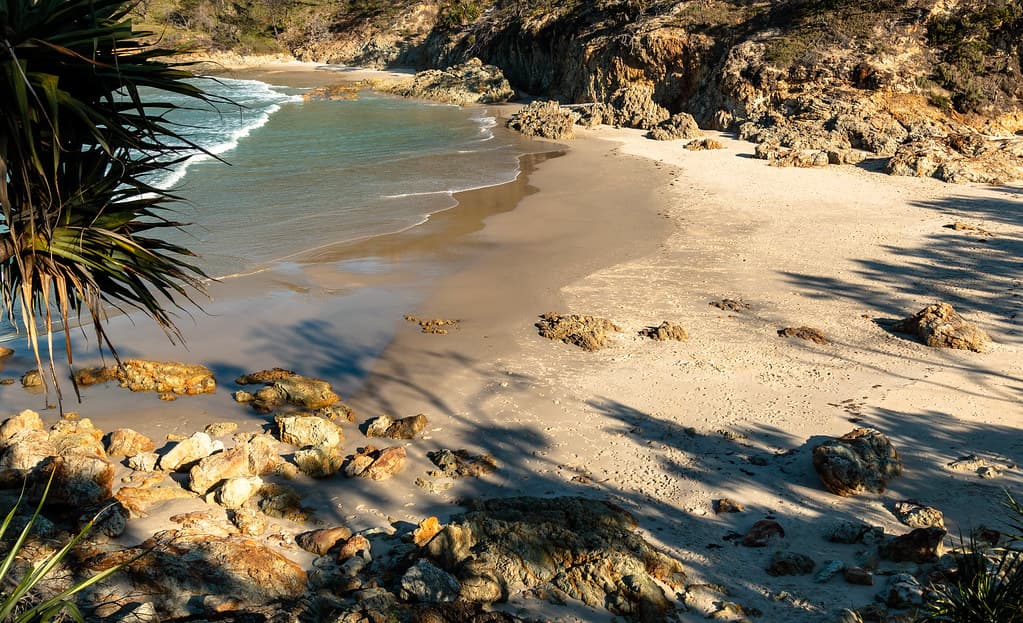
The Tangalooma Wrecks lie in a neat diagonal line, their silhouettes breaking the surface like the spine of some sleeping sea creature. You can stand waist-deep and touch the barnacle-encrusted steel, peer through portholes now home to batfish and trevally, or float above decks where sand whiting school in nervous clouds. The ships—deliberately positioned to form a breakwater for small craft—have become an accidental sanctuary where marine life thrives in the shelter of decay. You'll reach this stretch of Moreton Island's western shore by passenger ferry from Brisbane, the wrecks visible as dark shapes against turquoise shallows long before you step onto sand. The beach itself is a gentle crescent of white silica that slopes gradually into the channel, warm enough for hours of snorkelling without a wetsuit. Bring a mask and you'll see filefish nibbling algae from propeller shafts, wobbegong sharks resting in the shadows beneath bow sections, and if the tide is right, eagle rays gliding past like silk scarves. Evening light paints the wrecks in burnt orange and rust-red, their angles sharp against pastel sky. Dolphins often work the channel at dusk, corralling fish against the hulls in a practiced routine that predates most visitors' lifetimes. The water stays calm here year-round, protected by the very ships that now define this coastline.
Places, rentals, tours and events within walking and driving distance of The Wrecks Beach.
Photos
The Wrecks Beach is generally safe for swimming and snorkeling in calm conditions. The 15 deliberately sunken wrecks create sheltered waters ideal for beginners. However, currents can strengthen during changing tides, so stay close to the wrecks and avoid venturing into open water. Marine life is abundant but harmless—expect to see tropical fish, turtles, and occasionally dolphins. Always snorkel with a buddy, wear sun protection, and check weather conditions before entering the water. Lifeguards are not present, so swim at your own risk and supervise children closely.
The Wrecks Beach can be visited year-round, with each season offering different advantages. June to October provides the clearest water visibility for snorkeling, calmer seas, and pleasant temperatures (20-25°C). December to February is warmer but can bring afternoon storms and jellyfish. For the best snorkeling experience, visit during high tide when water covers more of the wrecks. Early mornings offer the calmest conditions and fewer crowds. Avoid visiting during strong winds or after heavy rainfall, which reduces underwater visibility significantly.
The Wrecks Beach is only accessible by boat, as Moreton Island has no bridge connection. Most visitors take the Tangalooma Island Resort ferry from Brisbane (75 minutes), which includes beach access. Alternatively, vehicle ferges operate from Port of Brisbane to Tangalooma (passengers can bring 4WDs). Day cruise operators offer packages including snorkel gear and guided tours. Independent travelers can arrange private water taxis or join tour operators. There's no vehicle parking at the beach itself; the Tangalooma Resort area has designated parking for resort guests and day visitors.
The Wrecks Beach has limited amenities directly on the sand. Tangalooma Island Resort, located immediately adjacent, offers multiple restaurants, cafes, and bars accessible to day visitors and overnight guests. The resort provides toilet facilities, showers, and equipment rentals (snorkel gear, kayaks). A general store sells snacks, drinks, and basic supplies. No food vendors operate on the beach itself, so bring water and snacks if staying away from the resort area. Accommodation options include the Tangalooma Resort or camping permits for designated sites elsewhere on Moreton Island.
Yes, the Tangalooma wrecks are visible from the beach and shallow water, making them accessible to non-swimmers. At low tide, parts of the wrecks protrude above the waterline, creating excellent photography opportunities from the shore. You can wade into knee-deep water to get closer views of the deteriorating hulls, which are home to visible fish and coral growth. Stand-up paddleboards and kayaks offer alternative viewing methods without snorkeling. Sunset visits are particularly scenic, as the wrecks create dramatic silhouettes against the sky while dolphins often feed nearby.