Counting the waves…
Counting the waves…

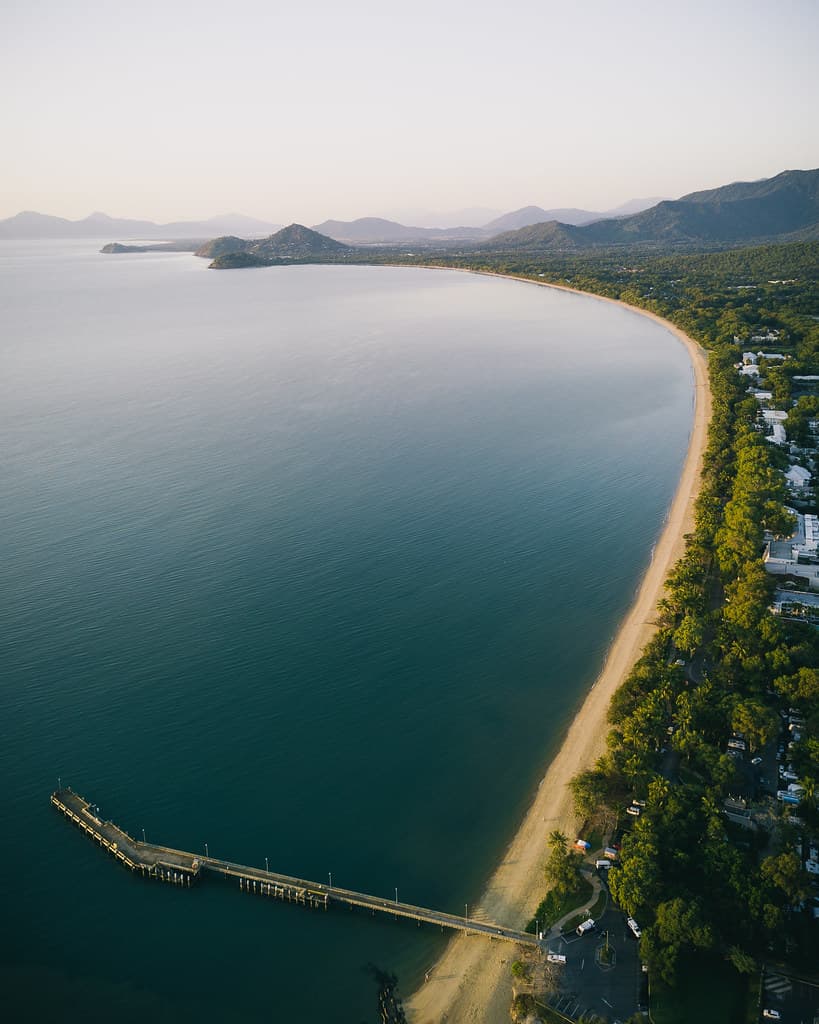
Palm Island Beach unfolds on one of the smaller inhabited islands in the Palm group, a 45-minute vessel journey northeast from Townsville. The shoreline curves gently beneath slopes thick with hoop pines and eucalyptus, their shadows striping the sand at midday. Unlike the well-trodden paths of Magnetic Island, you'll share this stretch with perhaps a handful of visitors—mostly those who've made the deliberate choice to venture farther offshore. The reef begins just beyond the break, close enough that you can snorkel straight from the beach without a boat. Parrotfish graze on coral heads while blacktip reef sharks glide past in the shallows, indifferent to your presence. The water stays warm year-round, hovering near 25°C even in the austral winter, and visibility often exceeds fifteen meters when the southeast trades settle. Onshore, the beach remains blissfully undeveloped—no kiosks, no umbrellas for rent, no jet-ski hum. Bring what you need in a dry bag: sunscreen, drinking water, a wide-brimmed hat. The sand here is coarse enough to brush off easily, studded with fragments of bleached coral and cowrie shells. By late afternoon, the granite headlands glow amber, and the only sound is the rhythmic hiss of wavelets meeting shore.
Places, rentals, tours and events within walking and driving distance of Palm Island Beach.
Photos
Palm Island Beach offers generally calm, protected waters suitable for swimming, though conditions vary with weather and tides. As with all tropical beaches in North Queensland, swimmers should be aware of marine stingers (jellyfish) during the wet season, typically November to May. Stinger suits are recommended during these months. Always check local conditions before entering the water, stay within designated swimming areas if available, and supervise children closely. Be mindful of currents, particularly during tide changes, and avoid swimming during rough weather or after heavy rainfall.
Palm Island Beach can be visited year-round, though the dry season from May to October offers the most comfortable conditions with lower humidity, minimal rainfall, and pleasant temperatures averaging 20-28°C. This period also coincides with safer swimming conditions outside the marine stinger season. The wet season (November to April) brings higher temperatures, humidity, and afternoon storms, but fewer tourists and lush tropical scenery. Winter months (June-August) provide ideal weather for beach activities, though water temperatures may feel cooler to some visitors.
Palm Island is located approximately 65 kilometres north of Townsville and is accessible only by sea or air. The primary option is the passenger ferry service from Townsville, which operates on scheduled days each week (check current timetables as services are limited). Private charter boats and flights can also be arranged from Townsville. Note that Palm Island is an Aboriginal community with restricted access; visitors generally require a permit or invitation, and tourism infrastructure is limited. It's essential to contact the Palm Island Aboriginal Shire Council before planning your visit.
Palm Island has limited tourist facilities compared to other Queensland destinations. Accommodation options are restricted and typically require advance booking through the Palm Island Aboriginal Shire Council. A small general store provides basic supplies, but dedicated restaurants or cafes are minimal. Visitors should plan to bring necessary provisions, including food, drinks, and beach essentials from Townsville. Day-trippers particularly need to pack everything required for their visit. Always check current availability of services before travelling, as options may change and advance permission is required to visit.
Yes, Palm Island is an Aboriginal community under the Deed of Grant in Trust, and visitors typically require permission to access the island. Entry permits or formal invitations are generally necessary unless you're visiting for specific authorized purposes. It's essential to contact the Palm Island Aboriginal Shire Council well in advance of your planned visit to understand current requirements and obtain necessary approvals. This process respects the community's cultural protocols and ensures visitors are properly informed about local guidelines and expectations during their stay.