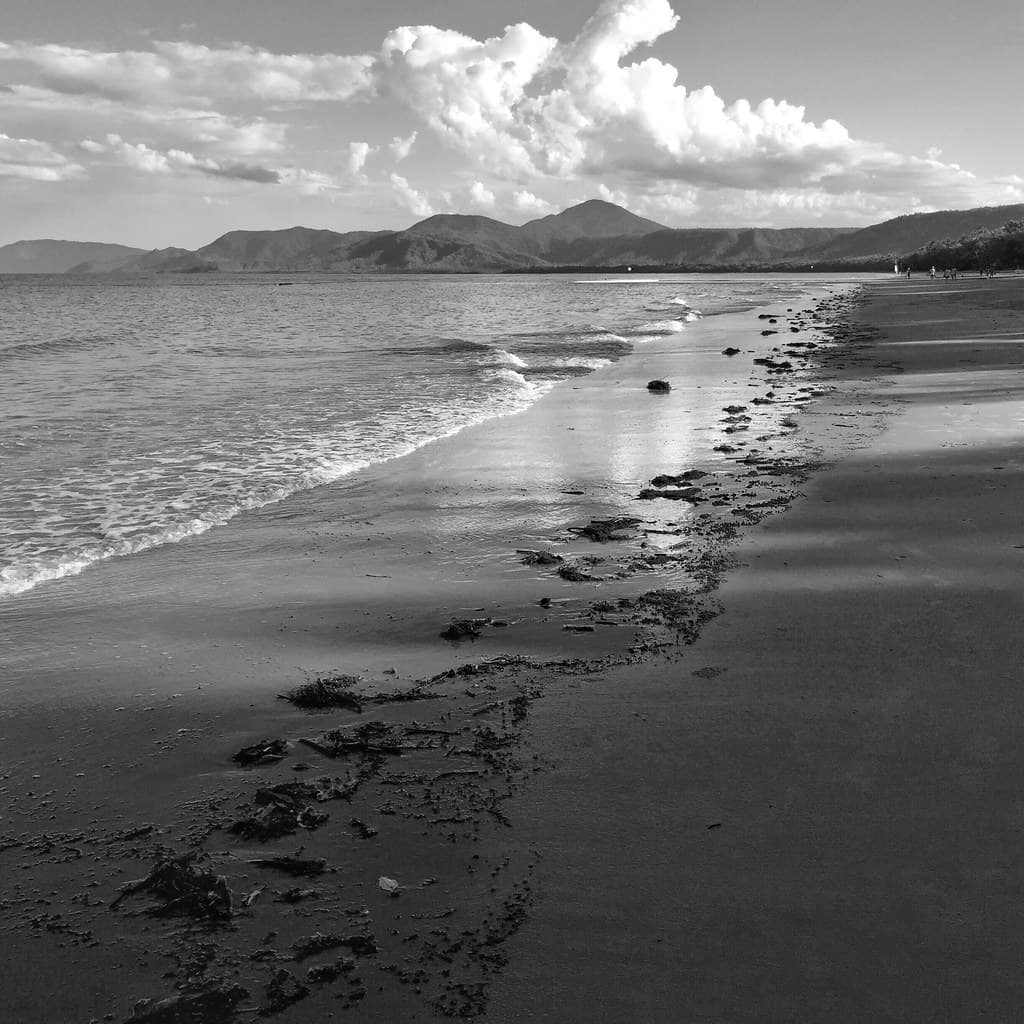
Counting the waves…
Counting the waves…

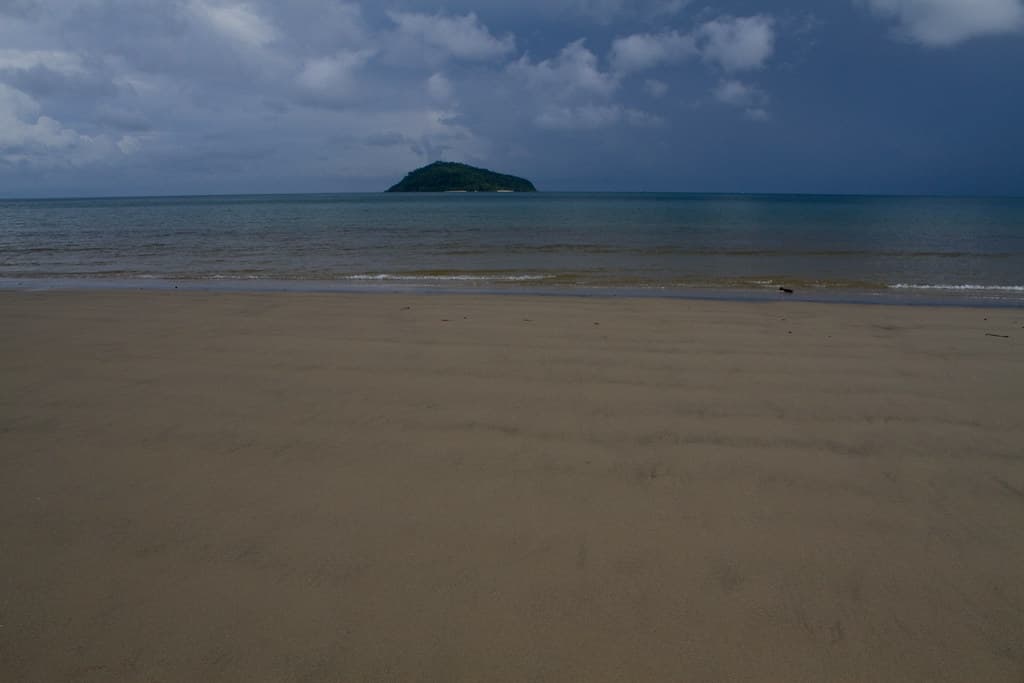
You arrive by tender or charter, the mainland shrinking behind you as the boat cuts through water so clear you can count the fish below. Snapper Island emerges as a low, forested bump ringed by blonde sand and fringing reef. There's no jetty, no facilities, no sunbed concession—just a narrow beach that curves between mangroves and open water, empty except for the occasional reef heron. The island's isolation is its currency. You wade ashore into ankle-deep shallows that stay bathwater-warm year-round, the kind of water that invites you to drift rather than swim. A walking track loops through the interior, where pandanus and beach she-oak filter the light into soft, dappled greens. The reef sits close enough to snorkel straight from the sand, turtle grass swaying over bommes of coral where parrotfish graze and small reef sharks cruise the drop-off. Most visitors come on half-day charters that time their arrival for slack tide, when the current eases and visibility peaks. But if you negotiate a private drop-off, you'll have hours to claim a patch of shade beneath the casuarinas, crack open a thermos of something cold, and watch the light shift across the Coral Sea without another soul in sight. The return journey feels like re-entry.
Places, rentals, tours and events within walking and driving distance of Snapper Island Beach.
Photos
Swimming conditions at Snapper Island Beach are generally calm due to its protected location, making it safer than many open ocean beaches. However, as with all tropical waters in North Queensland, marine stingers (jellyfish) are present during stinger season (November to May), so wearing a stinger suit is recommended. The beach is remote with no lifeguard patrol, so swim cautiously and never alone. Check weather conditions before your boat trip, as currents can strengthen during adverse weather. Always inform someone of your travel plans when visiting this isolated location.
Snapper Island Beach can be visited year-round, though each season offers different conditions. The dry season (May to October) provides sunny skies, calmer seas for boat transfers, and minimal jellyfish risk, making it ideal for swimming and snorkeling. The wet season (November to April) brings occasional tropical rain and stinger jellyfish, requiring protective clothing for water activities. Water temperatures remain warm throughout the year (24-29°C). For the best overall experience with optimal weather and sea conditions, plan your visit between June and September.
Snapper Island Beach is accessible only by boat from Port Douglas, located approximately 10-15 minutes offshore. Several tour operators in Port Douglas offer day trips and transfers to the island, departing from the marina. Private boat owners can reach the island independently. Parking is available at Port Douglas Marina and nearby public car parks on Wharf Street. Since this is a boat-only destination, there's no parking at the beach itself. Book boat transfers in advance, especially during peak tourist season, as capacity may be limited.
Snapper Island Beach is a completely undeveloped, secluded location with no permanent facilities, restaurants, or accommodation on the island itself. Visitors must bring all necessary supplies, including food, water, sun protection, and shade equipment. There are no toilets, showers, or changing facilities available. Most tour operators provide basic amenities during organized day trips. For accommodation and dining, you'll need to stay in Port Douglas, which offers extensive options ranging from luxury resorts to budget hotels, plus numerous restaurants and cafes. Plan as a day trip destination only.
Overnight camping on Snapper Island is generally not permitted without proper authorization, as the island falls under protected marine park regulations. The beach is typically visited as a day-trip destination only. Some commercial tour operators may offer exclusive private experiences, but these would need to comply with local environmental and maritime regulations. If you're interested in an extended stay, contact the Queensland Parks and Wildlife Service for current regulations. Most visitors enjoy the island for a few hours of swimming, snorkeling, and beach time before returning to Port Douglas for overnight accommodation.