Counting the waves…
Counting the waves…

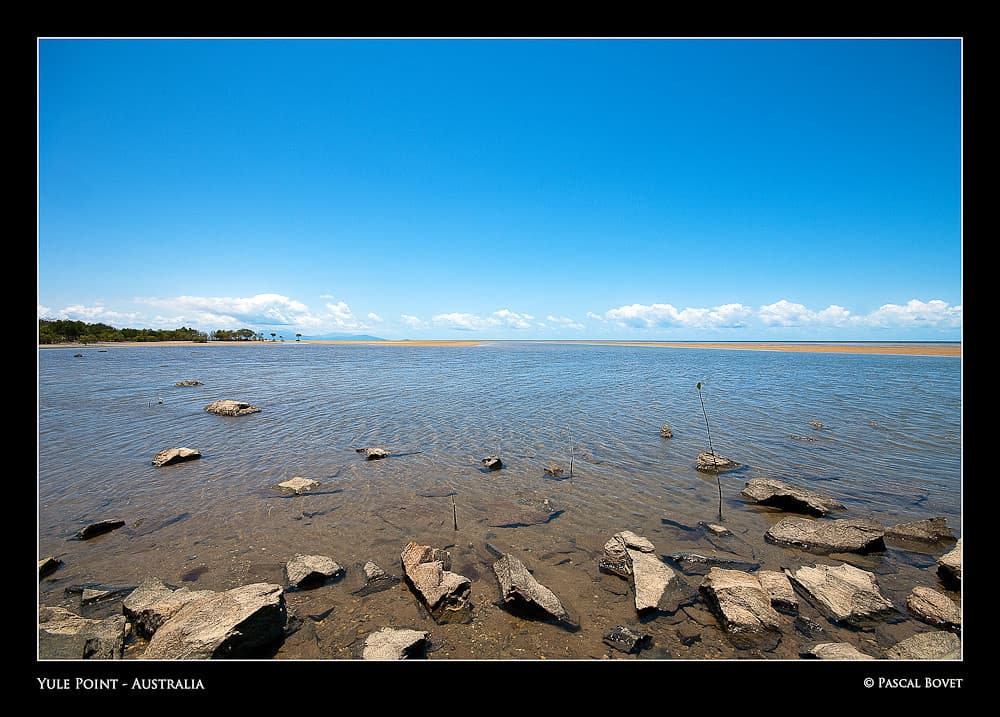
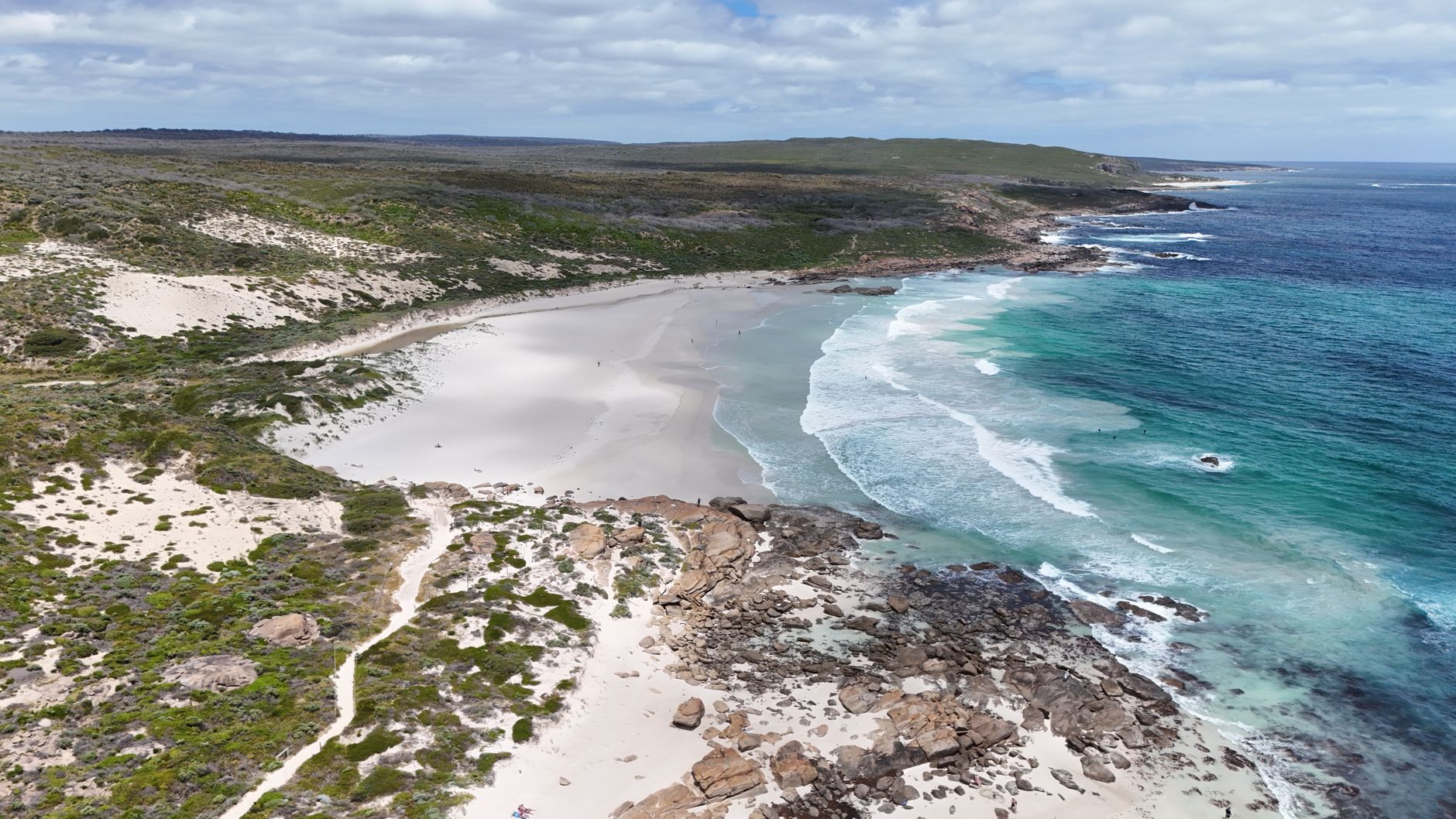
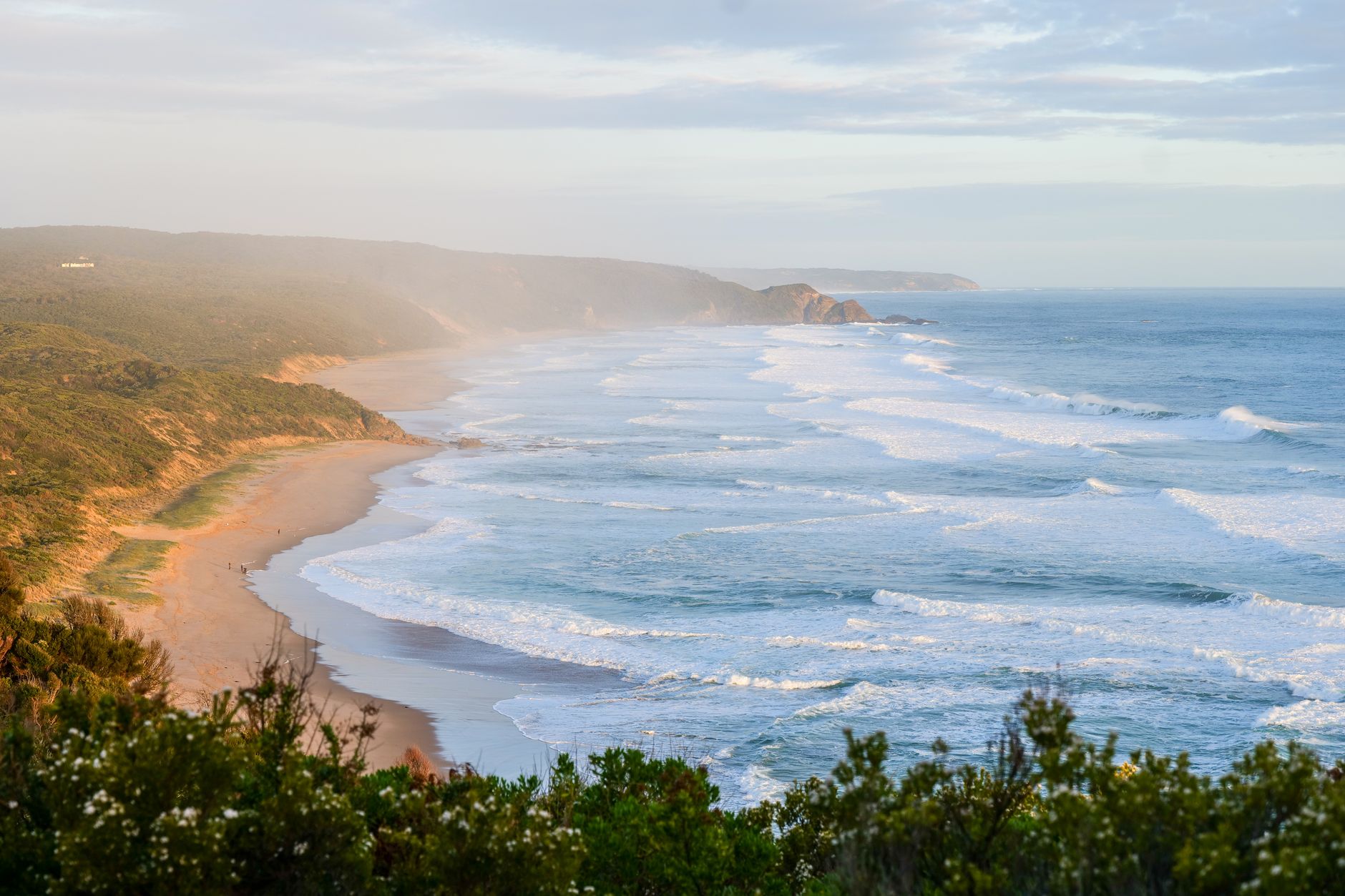
Portland Roads Beach unfurls along Queensland's far northern coast where the Great Dividing Range finally surrenders to the sea. The sand here carries a pale ochre tint, fine enough to squeak underfoot, and stretches in a generous arc backed by paperbarks and low scrub that rustle in the constant breeze. Offshore, the water shifts from milky jade near the shallows to deeper teal where the bottom drops away, and you'll spot the dark shapes of stingrays gliding over sand ripples when the tide pulls out. The drive in demands respect: corrugated red earth, creek crossings that swell after wet-season rains, and the kind of isolation that makes a satellite phone sensible. Once you arrive, the reward is measured in square metres of beach per person—often infinite. Wading birds work the tide line at dawn, their calls the only soundtrack besides wind and water. The handful of semi-permanent fishing camps dotted in the paperbark shade feel less like neighbors and more like fellow castaways. Timing matters little here; Portland Roads keeps its own rhythm year-round. The Dry (May through October) brings calmer seas and easier road access, while the Wet paints the hinterland emerald and keeps most visitors away entirely. Either season, you'll share this stretch with little more than your thoughts, the gulls, and the persistent sense that you've reached somewhere genuinely apart.
Places, rentals, tours and events within walking and driving distance of Portland Roads Beach.
Photos
Portland Roads Beach is generally calm and suitable for swimming, though it's remote with no lifeguard patrols or safety equipment. The waters are typically sheltered, but conditions can vary with tides and weather. Box jellyfish may be present during stinger season (November to May), so protective clothing is recommended. Always check local conditions before entering the water, never swim alone, and be aware that help may be distant due to the beach's isolated location. Mobile phone coverage can be limited or absent in this far northern area.
Portland Roads Beach can be visited year-round, though each season offers different conditions. The dry season (May to October) provides the most comfortable weather with lower humidity, less rain, and reduced risk of jellyfish. Temperatures remain warm throughout the year in tropical Far North Queensland. The wet season (November to April) brings higher humidity, afternoon storms, and potential road access issues. For optimal conditions with clear skies and comfortable temperatures, plan your visit during the cooler dry season months between May and September.
Portland Roads Beach is extremely remote, located south of Cape York Peninsula's tip. Access requires a 4WD vehicle and involves traveling unsealed roads that may become impassable during wet season. The journey typically starts from the Jardine River Ferry crossing, following rough tracks suitable only for high-clearance, off-road capable vehicles. There's no formal parking infrastructure—visitors park informally near beach access points. Fuel, supplies, and mechanical assistance are not available locally, so thorough trip preparation is essential. Consider joining organized Cape York tours if inexperienced with remote outback travel.
Portland Roads is an extremely isolated location with virtually no commercial facilities. There are no restaurants, shops, or traditional accommodation options at or near the beach. Visitors must be completely self-sufficient, bringing all food, water, fuel, and camping equipment. The nearest facilities are many hours away by 4WD. Some travelers camp nearby, practicing responsible bush camping with all necessary permits. The remote Pajinka Wilderness Lodge near the Cape York tip, though distant, is the closest accommodation option. This beach suits experienced outback travelers prepared for wilderness conditions.
Portland Roads Beach epitomizes untouched Australian wilderness, offering profound solitude rarely found elsewhere. Its extreme remoteness means you may have the entire beach to yourself, with pristine sand and waters unmarked by development. The journey itself becomes part of the adventure, traversing one of Australia's last true frontiers. The beach provides a genuine escape from crowds and commercialization, appealing to adventurous travelers seeking authentic wilderness experiences. Its hidden nature requires commitment to reach, making the reward of discovering this secluded paradise all the more meaningful for those who make the challenging journey.