Counting the waves…
Counting the waves…

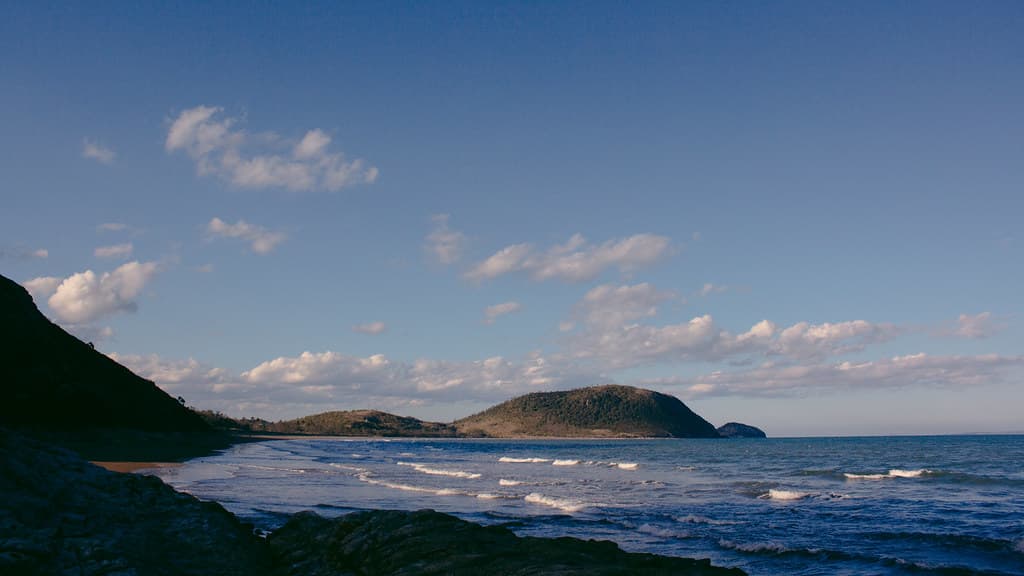
You'll motor into Statue Bay wondering if the name references some monument you've missed—it doesn't. The bay earns its keep through geography: a northward tilt that catches sun from dawn and shields the shore from prevailing swells. Where other Capricorn Coast inlets deliver ankle-bruising stone gardens, this crescent offers actual sand underfoot, compact enough to walk barefoot without wincing. The water here runs pale green over cream-colored substrate, warming fast in the shallows. Mornings bring glass-smooth conditions before afternoon thermals ripple the surface. You'll share the bay with a handful of tinnie fishermen who know the drop-offs, their lines disappearing into deeper water beyond the sand shelf. Banksia and coastal teatree lean from the low bluffs behind, their leaves clicking in the breeze. Statue Bay functions best as a swimming hole with coastal scenery—no facilities, no mobile signal, no expectation of anything beyond what the tide delivers. Pack everything in, pack everything out. The isolation feels less Instagram-remote and more genuinely unvisited, the kind of place where you'll spot your own footprints from yesterday still pressed into the high-tide line.
Places, rentals, tours and events within walking and driving distance of Statue Bay.
Photos
Statue Bay's north-facing position provides natural protection from prevailing southeasterly winds, creating generally calmer swimming conditions compared to exposed ocean beaches. The bay's sheltered nature typically means gentler waves and clearer water. However, always assess conditions on arrival, as any beach can experience currents or changing weather. There are no lifeguard services at this remote location, so swim within your abilities and never alone. Check local tide times and avoid swimming during strong tidal flows. The rocky surrounds mean reef shoes are advisable for safe entry and exit.
Statue Bay can be enjoyed year-round thanks to Queensland's subtropical climate. The dry season (May to October) offers comfortable temperatures, lower humidity, and minimal rainfall, making it ideal for beach visits. Summer months (November to April) bring warmer water temperatures perfect for swimming, though you may encounter afternoon storms and stinger season (November to May) requires protective clothing. The bay's north-facing aspect means it captures morning sun beautifully. Weekdays are quieter than weekends, and the sheltered position makes it pleasant even on windier days.
Statue Bay is primarily accessed by boat, as road access is extremely limited or non-existent. The bay is located near Rosslyn in the Whitsunday region, and most visitors arrive via private boat, kayak, or charter vessel from nearby marinas at Bowen or other Whitsunday access points. If you're not a boat owner, consider arranging a charter or water taxi service. There is no conventional parking as you would find at typical beaches. Check local marine charts for safe anchoring spots and approach the bay at appropriate tide levels.
Statue Bay is an undeveloped, remote beach with no on-site facilities, amenities, or services. There are no shops, toilets, showers, or food vendors at the bay itself. Visitors must be completely self-sufficient, bringing all necessary supplies including drinking water, food, sun protection, and waste bags to pack out all rubbish. The nearest services and accommodation are in Bowen or other established Whitsunday townships, which are accessible only by returning via boat. Plan your visit carefully and prepare for a genuine wilderness beach experience.
The origin of the name "Statue Bay" isn't widely documented in official tourism sources, and like many remote Australian beaches, the name may derive from local history, geographical features, or stories known primarily to longtime residents and mariners. Small bays in Queensland often carry names referencing landmarks, historical events, or characteristics visible from the water. Without confirmed historical records, it's difficult to state the precise reason. Local boating communities or historical societies in the Whitsunday region may have more detailed knowledge about this particular bay's naming story.