
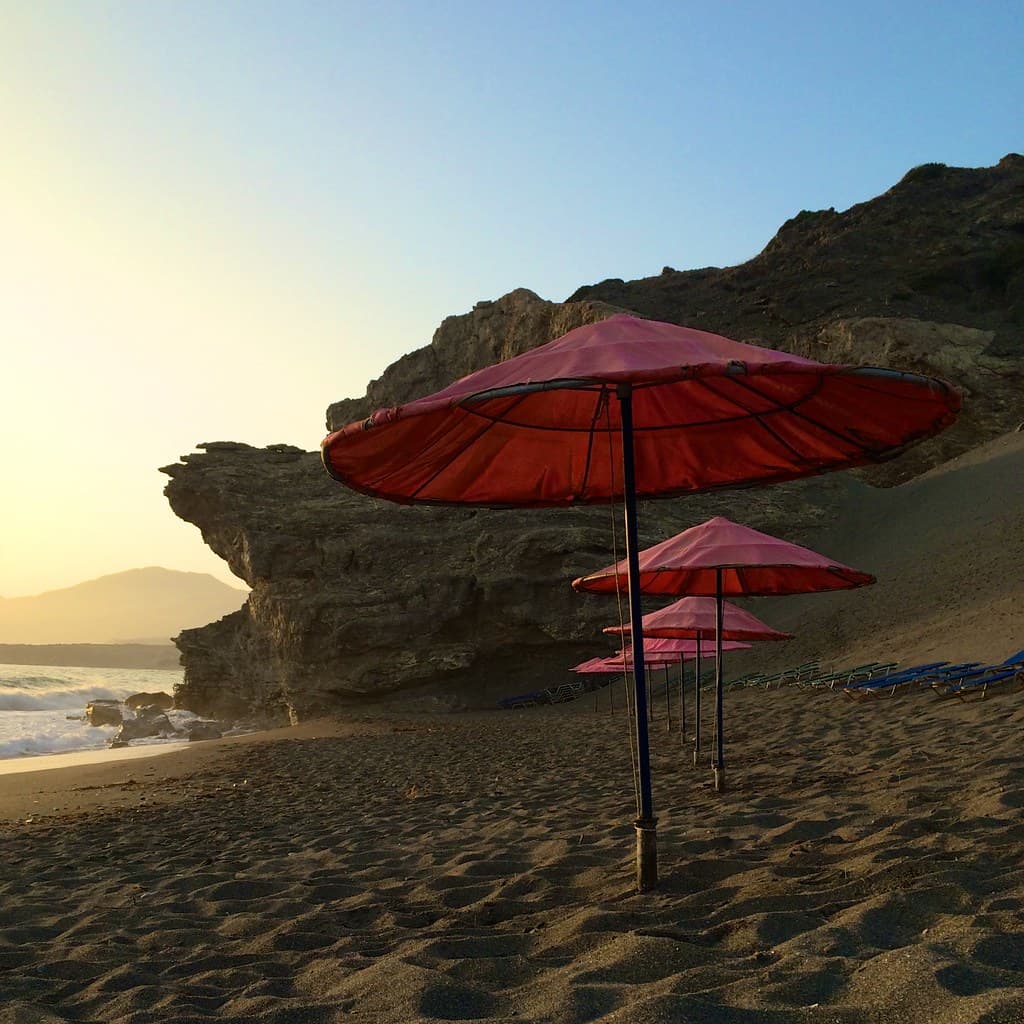
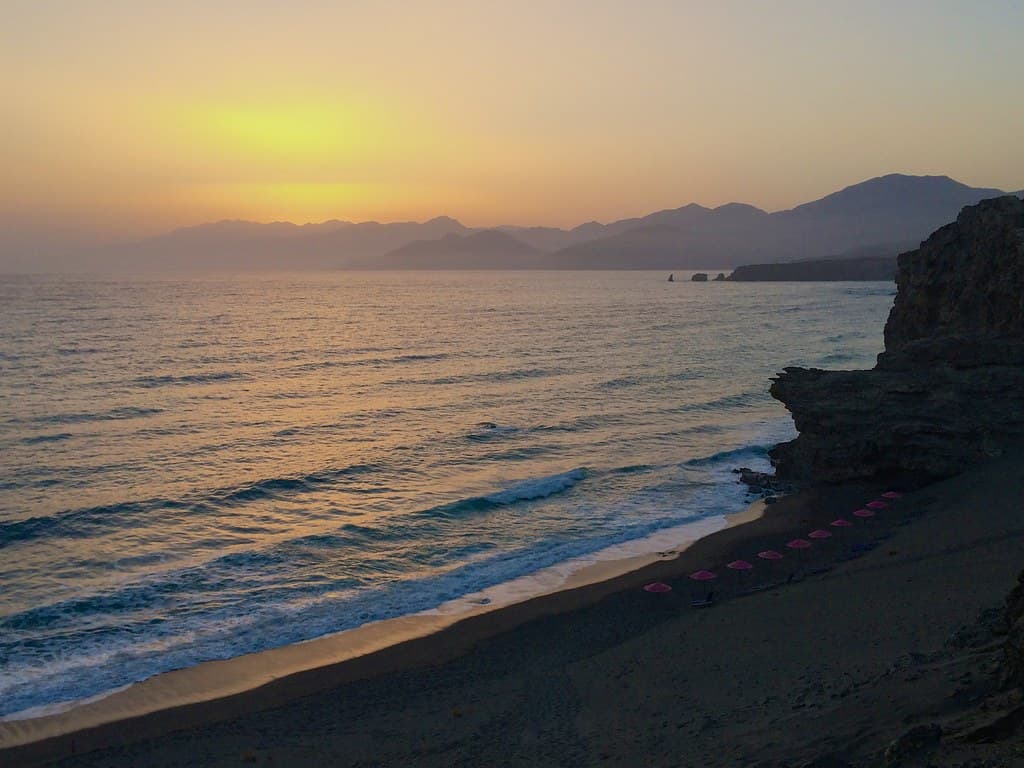
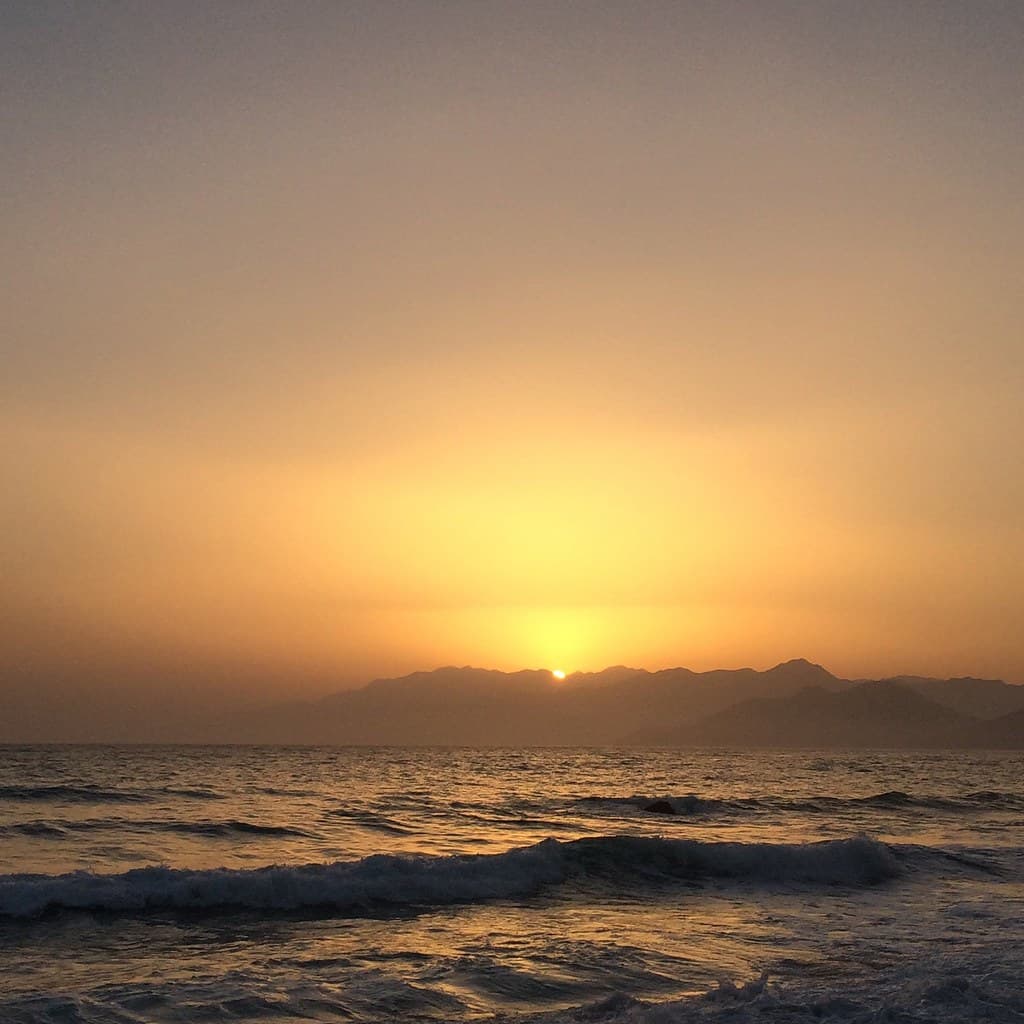
Counting the waves…
Counting the waves…

The flight to Bamaga is the easy part. From there, you're negotiating with local operators who know the tides and the temperament of the Arafura Sea. St. Paul Island doesn't appear on most tourist maps, which is precisely its appeal. The beach stretches along the western shore, a pale ribbon of crushed coral and shell grit that squeaks underfoot. When you wade in, the water is bath-warm in summer, blood-temperature year-round, with visibility stretching thirty feet on calm days. There are no facilities, no kiosks, no beach umbrellas planted in neat rows. You bring everything in and take everything out. The silence is almost aggressive—just the low rumble of surf on the outer reef, the occasional cry of a tern. At low tide, tide pools form among the limestone outcrops, miniature aquariums teeming with nudibranchs and juvenile grouper. The island itself is uninhabited, a scientific research outpost in name only. You'll share the sand with nesting seabirds and the occasional sea turtle hauling herself ashore after dark. The light here is unfiltered, equatorial, the kind that turns your skin bronze by midday. Pack a wide-brimmed hat, reef-safe sunscreen, and a healthy respect for remoteness. The nearest hospital is an eight-hour boat ride away.
Places, rentals, tours and events within walking and driving distance of St. Paul Island Beach.
Photos
Swimming conditions at St. Paul Island Beach are generally calm due to its protected location, but caution is always advised. The remote nature means no lifeguard patrols or safety services are available. Marine stingers can be present in tropical Queensland waters, particularly during summer months (November-May), so protective clothing is recommended. Always check weather and tide conditions before swimming, as help is far away. The clear, shallow waters near shore are typically suitable for confident swimmers, but never swim alone on such an isolated beach.
St. Paul Island Beach can be visited year-round, though each season offers different conditions. May to October (dry season) provides the most comfortable weather with lower humidity, calmer seas, and reduced stinger risk. November to April brings warmer temperatures and occasional tropical storms, though waters remain inviting. The remote location means weather can change quickly regardless of season. Consider visiting during winter months (June-August) for the most pleasant conditions and clearer visibility for spotting marine life. Always check weather forecasts before making the journey to this isolated destination.
Accessing St. Paul Island Beach requires significant planning as there are no regular public services. The island is extremely remote and typically reached by private boat or chartered vessel from mainland Queensland, which requires considerable time and expense. There are no roads, bridges, or regular ferry services to St. Paul Island. Some tour operators may offer occasional expeditions to the area, though these are limited. No parking facilities exist on the island. The journey requires experienced navigation and appropriate marine vessels, making this beach accessible only to those with substantial resources or specialized tour arrangements.
St. Paul Island Beach has no facilities, amenities, food services, or accommodations whatsoever. This is a completely undeveloped, remote location with no infrastructure. Visitors must be entirely self-sufficient, bringing all necessary supplies including food, water, shelter, safety equipment, and waste disposal means. There are no shops, restaurants, toilets, showers, or fresh water sources available. Any visit requires careful preparation with all provisions packed in and all rubbish packed out. The nearest facilities and accommodation would be on mainland Queensland, requiring significant travel time by boat to reach.
St. Paul Island's remarkable lack of human disturbance stems from its extreme remoteness and absence of infrastructure. Unlike accessible Queensland beaches with roads and development, this island remains pristine because it requires significant resources and planning to visit. The challenging access via lengthy boat journey naturally limits visitor numbers. There's no commercial development or regular tour operations, preserving the beach's natural state. This isolation has protected local ecosystems and wildlife from the impacts of mass tourism, creating an almost untouched coastal environment that represents how many Queensland beaches appeared before modern development.