Counting the waves…
Counting the waves…

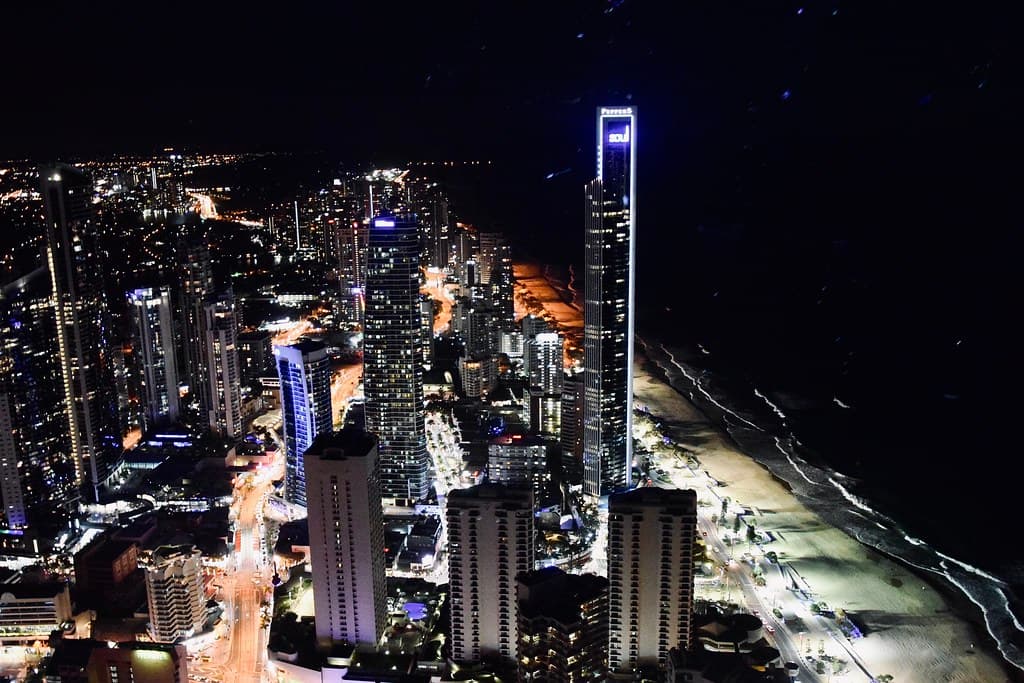
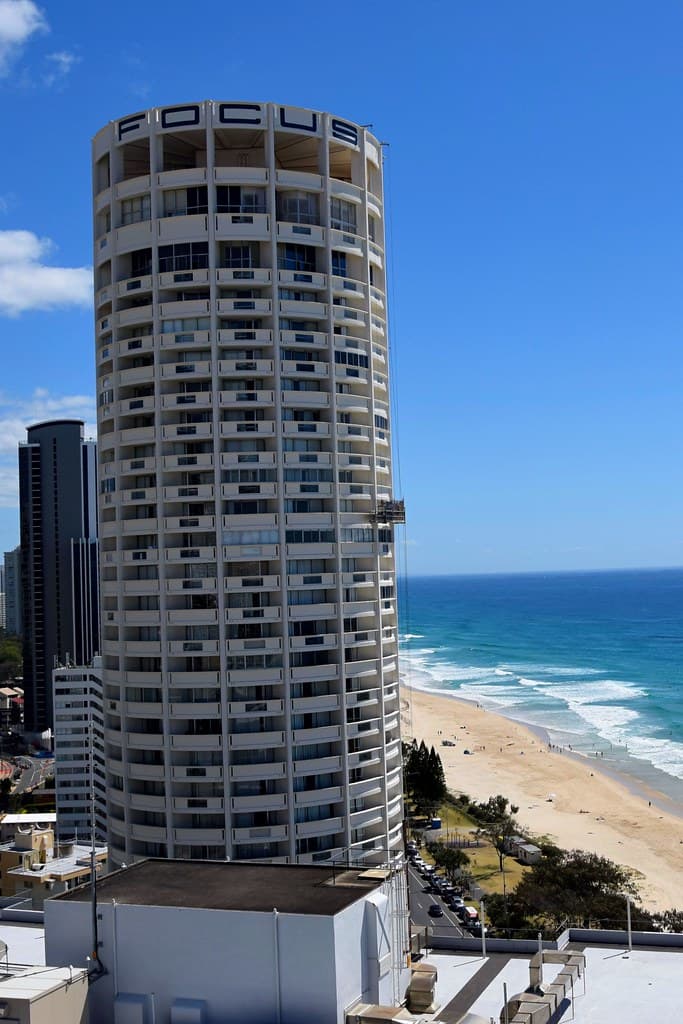
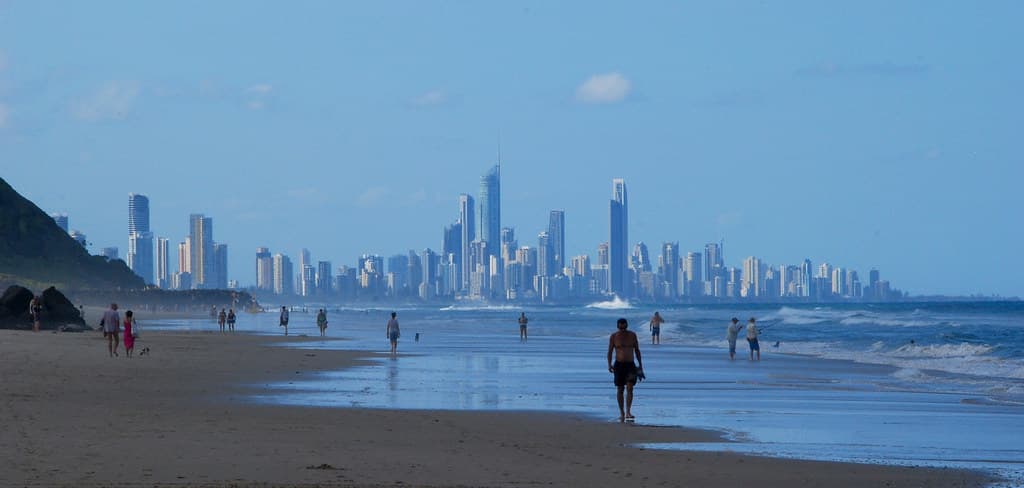
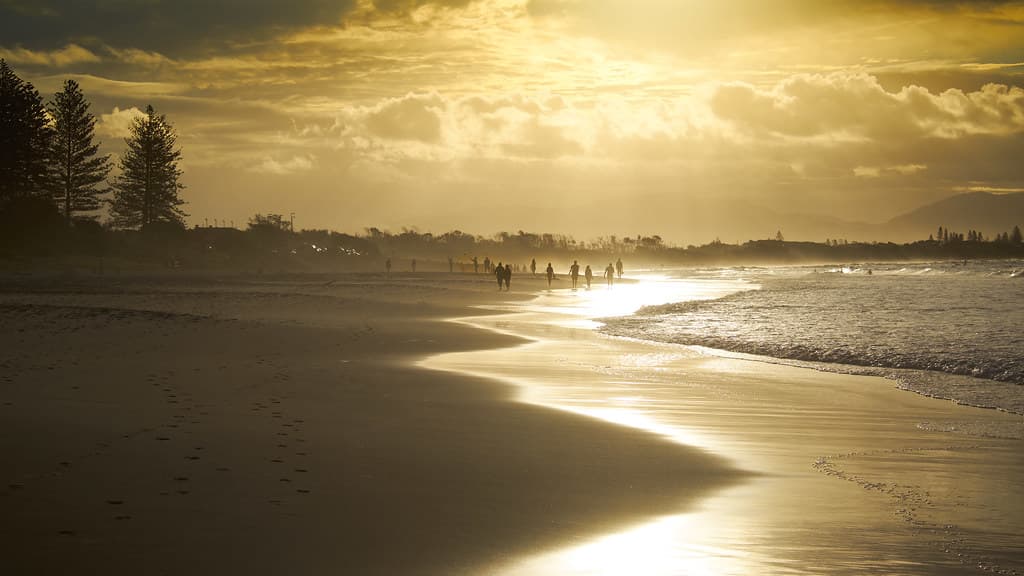
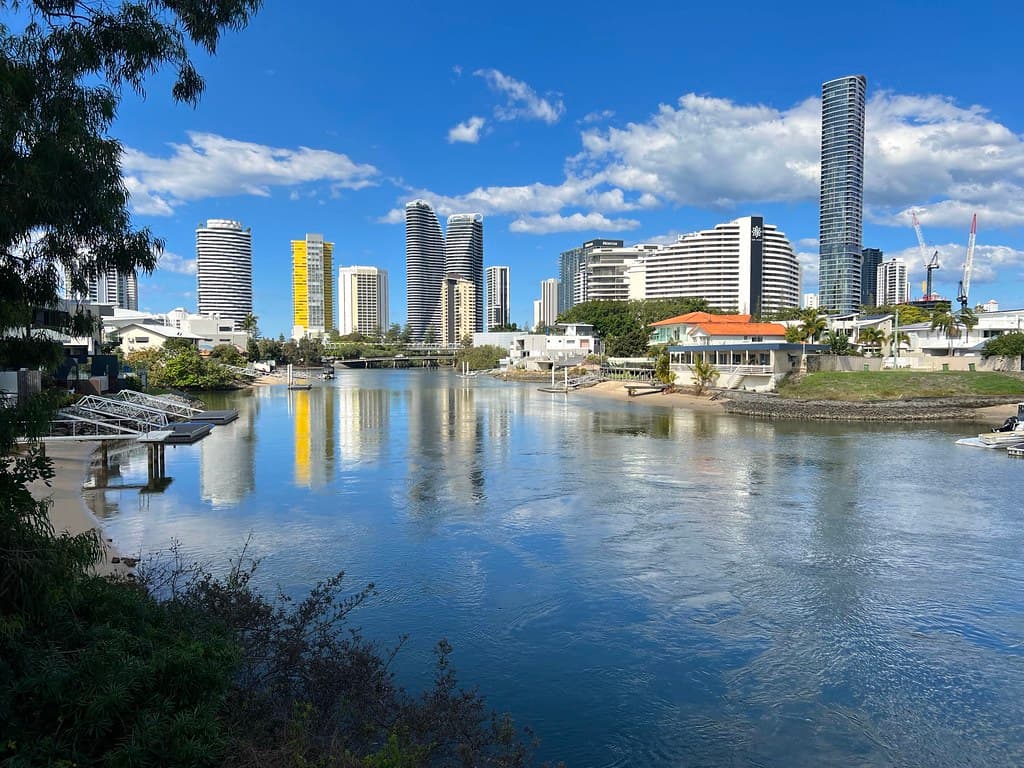
The sand stretches north and south in a gentle arc, flanked by apartment towers that catch the morning light and throw long shadows across the beach by late afternoon. You'll find the water temperature hovers around 24°C most of the year, warm enough to forget a wetsuit in summer, manageable even in the brief winter. The waves arrive in clean, rolling sets—best at the northern end near the rock groyne, where the break holds shape even when the afternoon sea breeze kicks in. Cavill Avenue funnels straight from the Surfers Paradise sign to the sand, a corridor of gelato shops and surf rental kiosks that smells of hot chips and sunscreen. You'll walk barefoot on pavement that scorches by midday, then feel the cool relief of the shoreline. Lifeguard towers punctuate the beach every few hundred meters, red and yellow flags marking the safest swim zones where rips are monitored and the current predictable. The beach empties slightly at the southern end near Elkhorn Avenue, where families spread picnic blankets and toddlers dig moats that the tide erases within the hour. By evening, the western sky turns apricot and rose behind the skyline, and the beach takes on a quieter rhythm—walkers, a few persistent surfers, the distant thump of music from a rooftop bar. It's a beach that works year-round, never quite surrendering to the urban sprawl that defines it.

Places, rentals, tours and events within walking and driving distance of Surfers Paradise Beach.
Photos
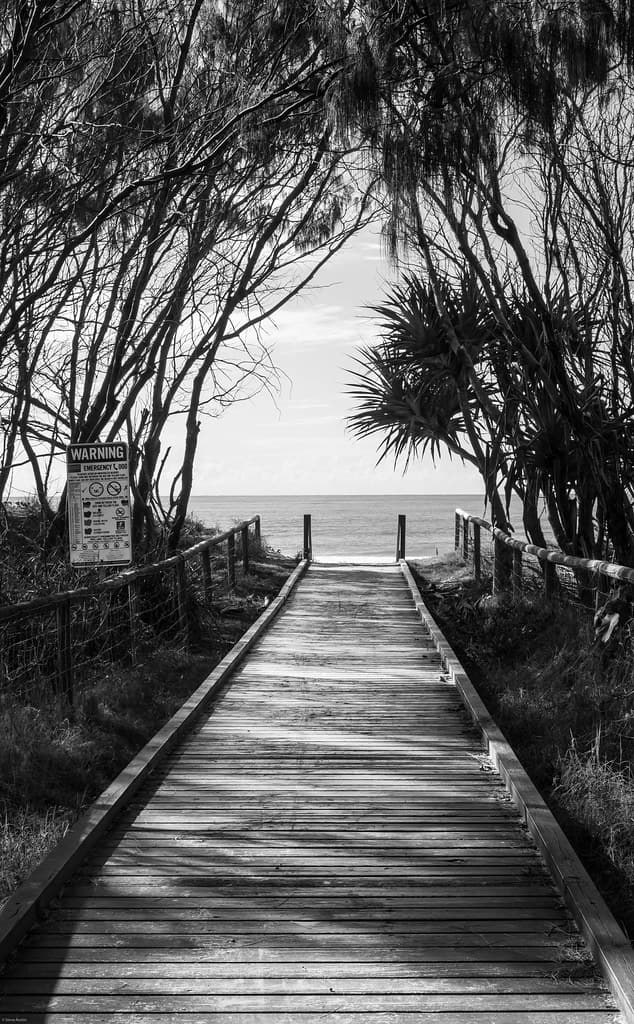
Surfers Paradise Beach is generally safe for swimming between the red and yellow flags, where lifeguards patrol daily year-round. The beach features consistent surf with occasional strong currents and rips, so always swim in patrolled areas. Lifeguards are on duty from early morning until early evening. The beach can experience larger swells during winter and after storms. Stinger nets are not present, but marine stingers are rare on the Gold Coast. Always check warning signs and ask lifeguards about current conditions before entering the water.
Surfers Paradise Beach is enjoyable year-round thanks to Queensland's subtropical climate. Summer (December-February) offers warm water and temperatures around 28°C, ideal for swimming but can be humid with occasional rain. Winter (June-August) brings mild, sunny days averaging 21°C with cooler water but excellent surf conditions. Spring and autumn provide comfortable temperatures and fewer crowds. For the best weather and fewer tourists, visit during shoulder seasons (April-May or September-November). The beach is accessible and patrolled daily regardless of season.
Surfers Paradise Beach is centrally located and easily accessible. If driving, metered parking is available along The Esplanade and surrounding streets, though spaces fill quickly during peak times. Several paid parking lots operate nearby, including on Remembrance Drive. The G:link light rail connects Surfers Paradise to Broadbeach and Southport, with the Cavill Avenue station just steps from the beach. Local buses service the area extensively. Many visitors walk from nearby hotels. Parking meters typically operate daily, and rates vary by location and duration.
Surfers Paradise Beach is surrounded by extensive dining and accommodation options. Cavill Avenue, the main pedestrian mall one block from the beach, features numerous restaurants, cafes, and takeaway outlets serving all cuisines and budgets. The beachfront has public facilities including showers, changing rooms, and restrooms. Accommodation ranges from budget hostels to luxury high-rise hotels and apartments, most within walking distance. The beach offers surf schools, board rentals, and beach volleyball courts. Shops, convenience stores, and supermarkets are abundant in the surrounding precinct for supplies.
Yes, you can surf at Surfers Paradise Beach, though it's not the Gold Coast's premier surf spot. The beach offers beginner-friendly waves ideal for learning, with numerous surf schools operating daily lessons. Sand-bottom breaks create forgiving conditions for novices. More experienced surfers often prefer nearby breaks at Burleigh Heads, Currumbin, or Snapper Rocks for better-quality waves. The beach's name reflects its historical appeal to surfers in the 1930s. Beach breaks work best during easterly swells, and conditions vary with tides and sandbar formations.