Counting the waves…
Counting the waves…

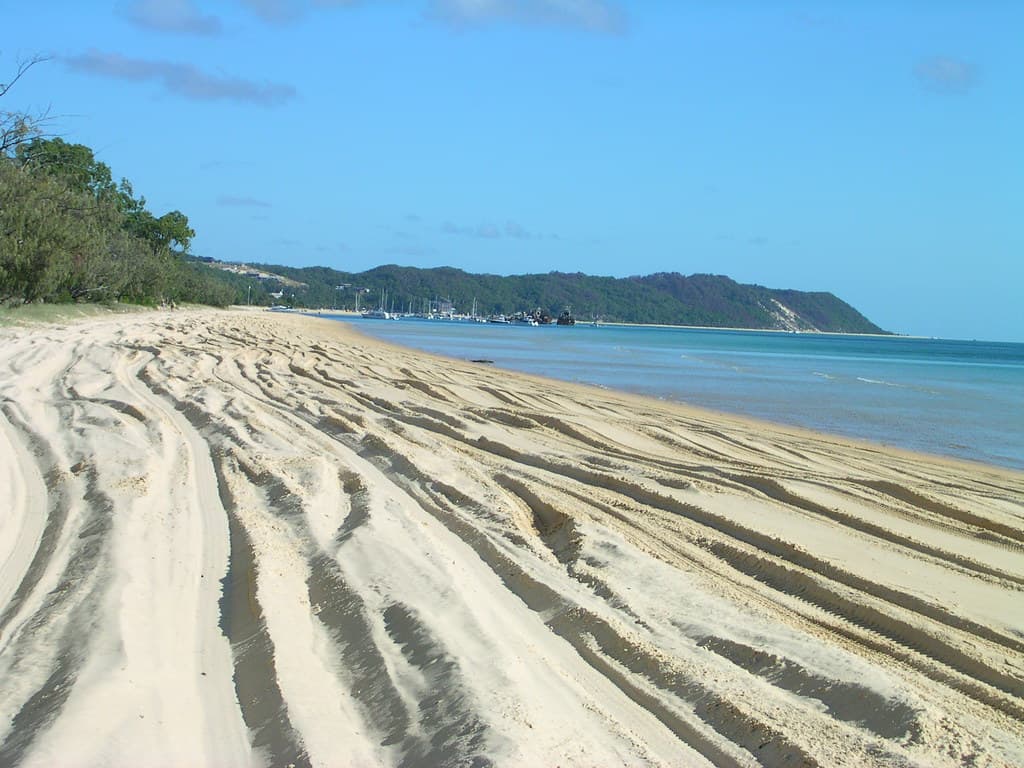
You step off the catamaran onto Tangalooma Jetty, and the scent of salt mingles with sunscreen and diesel. The beach curves northward in a wide crescent, its sand the color of raw cashews, packed firm enough for barefoot walking but soft where the tide has just retreated. Families spread picnic blankets beneath pandanus palms while children chase soldier crabs into their sand burrows. The water graduates from ankle-deep aquamarine to deeper cerulean, and two hundred meters offshore, the dark shapes of the Tangalooma wrecks break the surface—fifteen vessels deliberately sunk in 1963 to form a breakwater, now encrusted with oysters and sea tulips. You pull on fins and a mask, wading past the swimming enclosure where toddlers splash under shade sails. The water temperature hovers around twenty-four degrees year-round, warm enough to snorkel without neoprene in summer. As you reach the first wreck, a rusted steel hull listing to starboard, sergeant major fish swarm around your legs. You duck beneath the waterline and peer into the skeletal interior—wrasse nibble at sponges clinging to iron ribs, and a pufferfish inflates lazily near a porthole frame. Back onshore, the resort hums with activity: guests line up for the evening dolphin feed, a tradition that draws wild bottlenoses to the shallows each dusk. You rinse sand from your feet at the outdoor showers, watching a wedge-tailed shearwater skim the waves. The western sky begins to blush tangerine, and the wrecks turn to black silhouettes against the light.
Places, rentals, tours and events within walking and driving distance of Tangalooma Beach.
Photos
Tangalooma Beach offers generally safe swimming conditions in the protected waters between Moreton Island and the mainland. The famous Tangalooma Wrecks, located just offshore, create calm swimming areas and excellent snorkeling spots with good visibility. Stinger suits are recommended during summer months (November-May) as a precaution against jellyfish. The wrecks themselves are easily accessible for snorkelers of all levels, sitting in shallow water 5-10 meters deep. Always check current conditions at the resort, swim between the flags when patrolled, and be mindful of boat traffic near the wrecks.
Tangalooma Beach is a year-round destination with subtropical weather. Winter (June-August) offers mild, dry conditions with temperatures around 20-23°C, ideal for whale watching as humpback whales migrate past Moreton Island. Summer (December-February) brings warmer water and air temperatures (25-30°C), perfect for snorkeling the wrecks, though occasional afternoon storms occur. Spring and autumn provide comfortable conditions with fewer crowds. Water visibility for snorkeling is typically best during calmer winter months, while summer offers the warmest swimming temperatures despite slightly reduced visibility.
Tangalooma Beach is accessible only by boat, as it's located on Moreton Island. The Tangalooma Island Resort operates passenger ferries departing from Holt Street Wharf in Brisbane, with the journey taking approximately 75 minutes. Day-tripper and resort guest packages are available. You cannot bring private vehicles on the resort ferry, though 4WD vehicle barges operate to other parts of Moreton Island. Free parking is available at the Brisbane departure terminal. Alternatively, some operators offer day tours from the Gold Coast and Sunshine Coast including ferry transfers.
Tangalooma Island Resort is the primary accommodation and dining hub, offering hotel rooms, resort units, and apartments. The resort features several restaurants including buffet dining, beachfront cafes, and a poolside bar. Day visitors can purchase food and drinks at resort outlets or bring their own (coolers permitted on the beach). A general store sells snacks, drinks, and basic supplies. The resort offers various activity packages for day-trippers and guests. No other commercial establishments exist on this part of Moreton Island, so plan meals accordingly, especially for day visits.
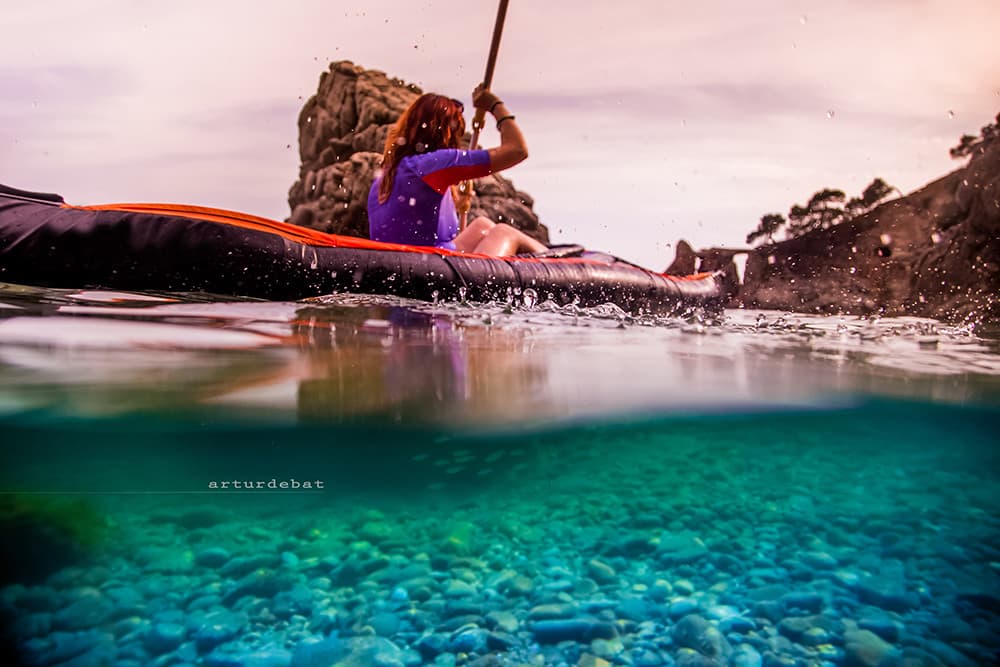
The 15 Tangalooma Wrecks are clearly visible from the beach, positioned parallel to shore approximately 200-300 meters offshore. You can easily reach them by swimming, snorkeling, or kayaking—most moderately fit swimmers can reach the nearest wrecks in 10-15 minutes. The wrecks were deliberately sunk in 1963 to create a safe anchorage and now form an artificial reef teeming with marine life. At low tide, parts of the wrecks protrude dramatically from the water. Kayak and paddleboard rentals are available from the resort for non-swimmers wanting a closer look.