
Counting the waves…
Counting the waves…

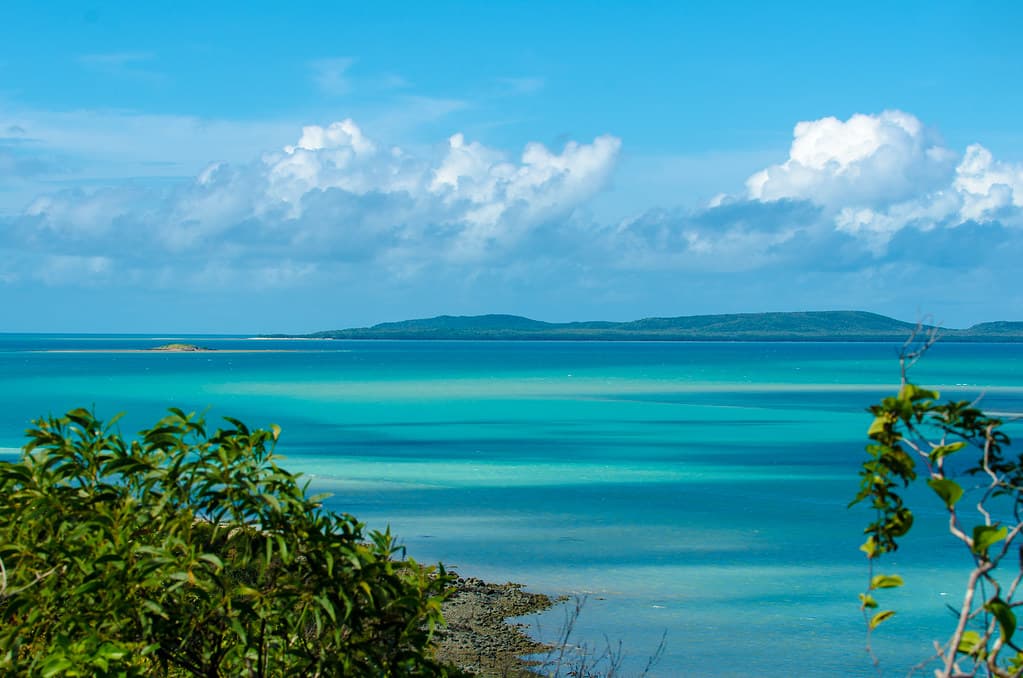
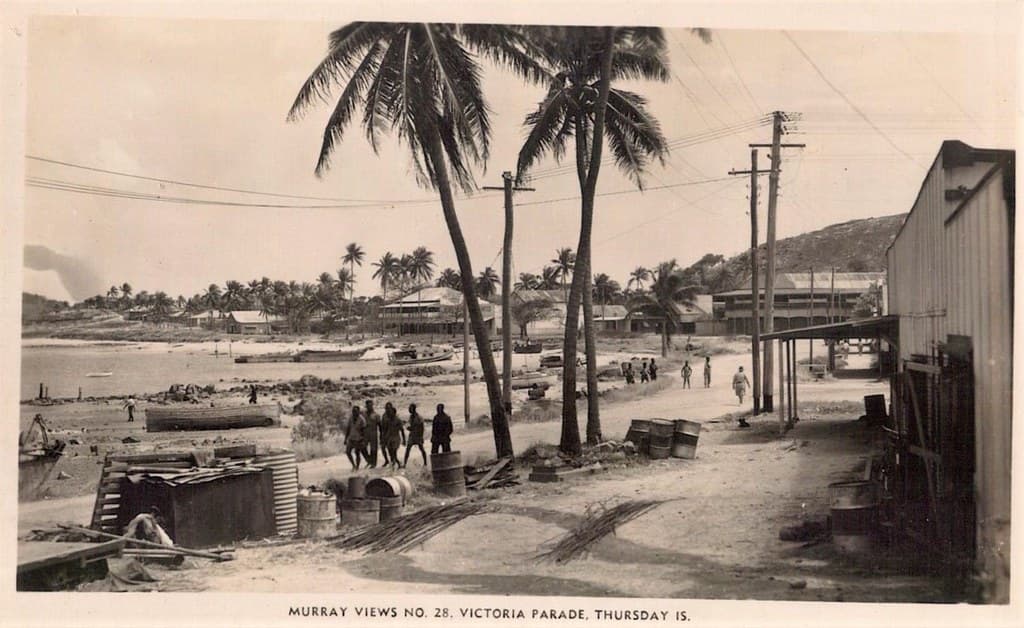
Thursday Island Beach unfolds along the southern shore of this compact speck in the Torres Strait, a ten-minute walk from the ferry wharf that connects you to mainland Queensland. The beach curves gently, fringed by she-oak trees that rattle in the constant trade winds. At low tide, the sand extends far into the shallows, revealing tide pools where local kids hunt for crabs while their fathers mend nets in the shade. The water here never gets truly deep—you can wade out thirty metres and still feel sand beneath your toes. The shoreline carries the weight of a complex past: plaques mark the Japanese and Pacific Islander divers who once descended for pearl shell, and the modest cemetery up the hill holds their stories. Today, the beach serves as the island's living room. Women gather under the trees for afternoon tea, while teenagers practice rugby drills on the packed sand near the boat ramp. The modest beachfront hotels and fish-and-chip shops hum with a mix of Torres Strait Islanders, mainland workers, and the handful of travellers who've made the journey this far north. You won't find resort amenities or pristine white powder here. Instead, you'll discover a working island beach where the smell of low tide mingles with diesel from the harbour, where the sunset paints fishing boats gold, and where the cultural crossroads of Australia's far north feels immediate and real.
Places, rentals, tours and events within walking and driving distance of Thursday Island Beach.
Photos
Thursday Island Beach generally offers safe swimming conditions, though you should always check with locals about currents and tides before entering the water. The Torres Strait can experience strong tidal movements. During October to May, marine stingers (jellyfish) may be present, so wearing protective clothing is advisable. Crocodiles are rare but not impossible in far northern Queensland waters. The beach isn't patrolled by lifeguards, so swim during daylight hours and never alone. Local knowledge is invaluable for safe swimming here.
Thursday Island enjoys a tropical climate with warm weather year-round, making any time suitable for visiting. The dry season (May to October) offers the most comfortable conditions with lower humidity, calmer seas, and minimal rainfall—ideal for beach activities and exploring. The wet season (November to April) brings higher temperatures, humidity, and afternoon storms, though mornings are often pleasant. Water temperatures remain warm throughout the year. Consider visiting during the dry season for the best overall beach experience and clearer skies.
Thursday Island is accessible only by air or sea. Most visitors fly from Cairns to nearby Horn Island, then take a short ferry ride (about 10 minutes) to Thursday Island. Some flights land directly on Thursday Island. Once there, the island is small and walkable—only about 3 square kilometres. The beach is easily reached on foot or by hiring a bicycle or golf buggy. Vehicle access is limited, and most visitors don't need cars. Parking isn't typically an issue given the island's compact size.
Thursday Island has several accommodation options including the Grand Hotel and smaller guesthouses, though choices are limited compared to mainland resorts. The main town area, within walking distance of the beach, has cafes, bakeries, and restaurants serving fresh seafood and multicultural cuisine reflecting the island's diverse heritage. Basic beach facilities exist, but amenities are modest. There are general stores for supplies and ATMs available. Book accommodation well in advance, especially during peak season, as options are limited on this remote island.
Thursday Island holds significant Torres Strait Islander and colonial history. Visit Green Hill Fort, a 19th-century military installation offering panoramic views and WWII history. The Gab Titui Cultural Centre showcases Torres Strait Islander art, culture, and heritage. Explore the historic cemetery with graves of Japanese pearl divers who worked the local pearling industry. The island's multicultural character reflects its pearling past, with influences from Japanese, Malay, Pacific Islander, and European communities. Local tours often combine beach time with cultural experiences.