Counting the waves…
Counting the waves…

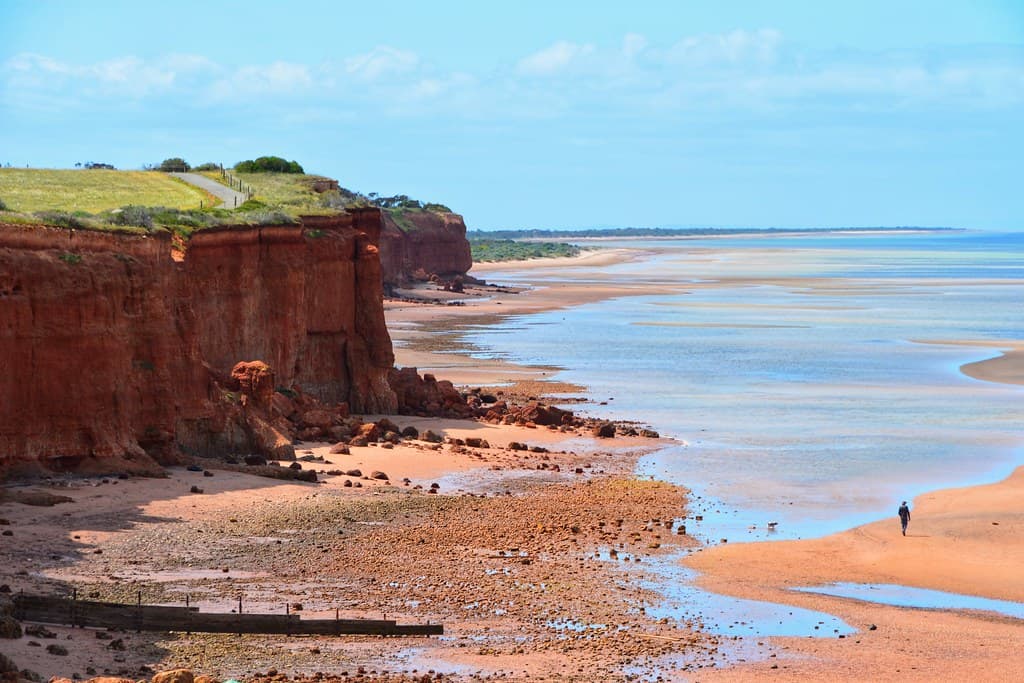
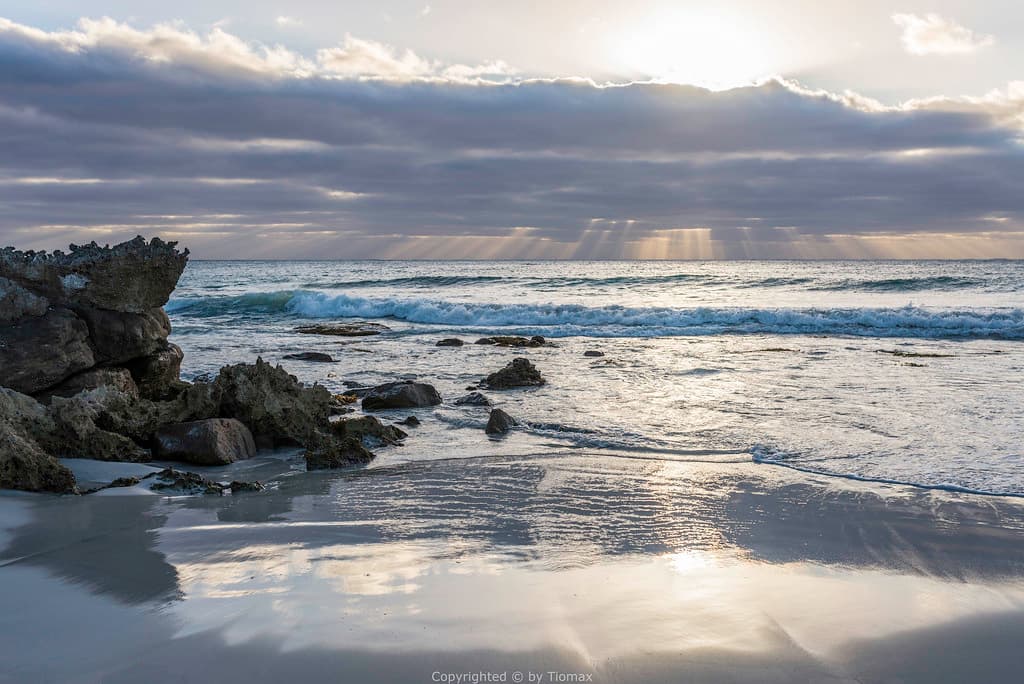
You park on gravel edged with native grasses that whisper in the perpetual coastal breeze, and the silence is immediate. The track to Balgowan winds through low scrub where wrens dart between branches, opening onto a crescent of pale sand flanked by weathered limestone outcrops. This is not a beach of infrastructure or crowds—no kiosk, no lifeguard tower, no queue for parking. Just you, the rhythmic collapse of small waves, and the occasional soaring gull. The water here runs shallow for dozens of meters, warming in the sun to bath temperature by midday. You wade out, toes sinking into soft rippled sand, watching baitfish scatter in silvery bursts. Snorkelers drift along the northern rocks where wrasse and leatherjackets weave through kelp forests. By afternoon, the westerly picks up, turning the surface choppy and sending beachcombers hunting for cuttlefish bones along the tide line. Pack everything in, pack everything out—there are no bins, no taps, no second chances if you forget the esky. Balgowan rewards the self-sufficient. Stake out a patch beneath the cliffs for windbreak, unfurl your towel, and settle into the rare luxury of a beach that asks nothing of you except presence. When the sun dips toward the peninsula's western edge, the limestone glows apricot, and you understand why solitude, here, feels less like isolation and more like reclamation.
Places, rentals, tours and events within walking and driving distance of Balgowan Beach.
Photos
Balgowan Beach is generally calm and suitable for swimming, though it's unpatrolled, so you swim at your own risk. The beach's remote location means no lifeguard presence, so only confident swimmers should enter the water. Check conditions before swimming, as currents can vary. The sandy bottom and gentle waves make it family-friendly on calm days. Always supervise children closely, bring appropriate safety equipment, and avoid swimming alone. Since facilities are minimal, ensure someone knows your plans when visiting this isolated beach.
Balgowan Beach can be visited year-round, with each season offering different appeal. Summer (December-February) provides warm weather ideal for swimming and sunbathing, though it can get hot. Autumn and spring offer mild temperatures perfect for beach walks and photography, with fewer visitors. Winter is quieter and cooler but still pleasant for coastal strolls. The beach's sheltered position makes it relatively protected from strong winds. Weekdays are typically quieter than weekends, enhancing the peaceful, remote atmosphere that makes this beach special.
Balgowan Beach is located near the small community of Balgowan on South Australia's Yorke Peninsula. Access is via sealed and unsealed roads, so a conventional vehicle can typically reach it, though conditions vary. The beach is remote and signage may be limited, so GPS navigation is recommended. Parking facilities are basic and informal, usually just roadside areas near beach access points. The isolated nature means you won't find dedicated parking lots or paved facilities. Plan your route carefully and ensure your vehicle is suitable for potentially rough coastal roads.
Balgowan Beach has no on-site amenities, so visitors must come fully prepared. There are no cafes, shops, toilets, or picnic facilities at the beach itself. The nearest services are in larger Yorke Peninsula towns like Stansbury or Edithburgh, approximately 20-30 minutes away, where you'll find general stores, cafes, and fuel. Accommodation options are extremely limited in Balgowan itself; visitors typically stay in nearby coastal towns or bring camping equipment if permitted locally. Pack all food, water, sunscreen, and supplies before visiting this remote location.
Balgowan Beach's main draw is its isolation and unspoiled character. Unlike the peninsula's more developed beaches, it remains largely undiscovered by mass tourism, offering genuine solitude and tranquility. The beach provides an authentic remote coastal experience without crowds, commercial development, or extensive facilities. This makes it ideal for visitors seeking peaceful contemplation, nature photography, or simply escaping busy tourist areas. The lack of infrastructure means you experience the coastline in its natural state, though this requires self-sufficiency and careful preparation for your visit.