Counting the waves…
Counting the waves…

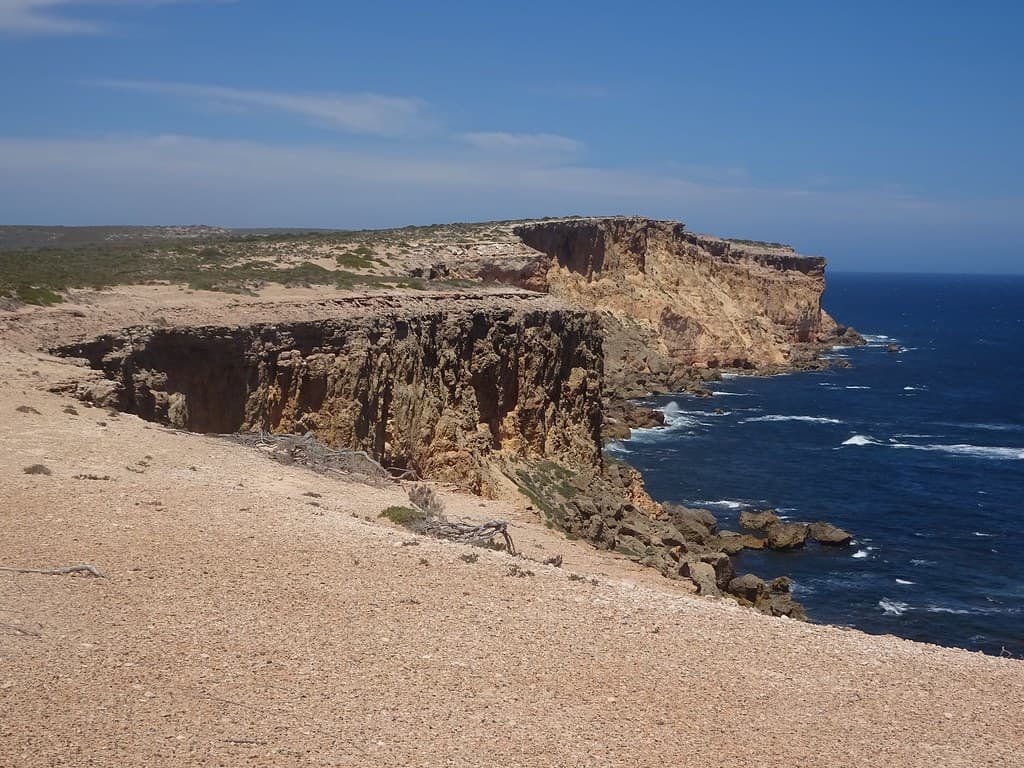
Penong Beach unfolds along a lonely stretch of coastline where the Great Australian Bight meets scrubby dunes and limestone cliffs. The sand here is firm underfoot, ridged by the night's tide and dotted with kelp that dries into dark ropes under the relentless sun. You'll hear the wind before anything else—a steady presence that bends the coastal vegetation and fills the silence between waves. Birdlife thrives in this isolation. Pacific gulls stalk the wrack line, and if you're patient, you might spot a hooded plover scuttling near the dunes or a white-bellied sea eagle riding thermals above the bluffs. The water is a moody palette of slate and jade, too cold for most swimmers but hypnotic to watch as swells roll in from the Southern Ocean. There are no kiosks, no lifeguards, no crowds—just the rhythm of surf and the occasional passing car on the distant Eyre Highway. Bring binoculars and a windbreaker. The best visits happen in the softer light of early morning or late afternoon, when shadows stretch across the sand and the birds are most active. This is a beach that rewards slow observation, where doing nothing becomes its own quiet pleasure.
Places, rentals, tours and events within walking and driving distance of Penong Beach.
Photos
Penong Beach is generally suitable for swimming, but conditions can vary. The beach is relatively remote and unpatrolled, so swimmers should exercise caution and never swim alone. Check local weather conditions before entering the water, as the Southern Ocean can produce strong currents and unpredictable swells. The beach's isolation means help may not be immediately available in emergencies. Always swim between the flags if lifeguards are present during peak seasons, stay close to shore, and supervise children closely. It's advisable to ask locals about current conditions before swimming.
Penong Beach can be visited year-round, with each season offering different experiences. Summer (December-February) provides the warmest weather for beach activities, though it can be windy. Autumn and spring offer milder temperatures ideal for walking and birdwatching, with fewer visitors ensuring solitude. Winter is cooler but still pleasant for exploring, with dramatic ocean views and excellent wildlife spotting opportunities. The remote location means crowds are rare any time of year. For the best weather and swimming conditions, aim for late spring through early autumn, though pack layers as coastal winds are common.
Penong Beach is located approximately 73 kilometres west of Ceduna along the Eyre Highway. From the small town of Penong, follow local roads south towards the coast. The beach is accessible by conventional vehicle in good weather, though some access tracks may be unsealed. Parking is typically available in informal areas near the beach access points. Given the remote nature of the area, ensure your vehicle has sufficient fuel and carry water and supplies. A detailed map or GPS is recommended as mobile reception may be limited in this coastal region.
Penong Beach is in a remote area with limited nearby amenities. The small town of Penong offers basic supplies, fuel, and possibly a café or roadhouse, but options are limited. For more comprehensive dining and accommodation choices, Ceduna (73km east) provides motels, hotels, caravan parks, supermarkets, and restaurants. Many visitors to Penong Beach are self-sufficient, bringing their own food and camping equipment. If planning an extended stay, stock up on supplies in Ceduna before heading to the beach. Always carry drinking water and snacks when visiting this isolated coastal area.
Penong Beach's remote location and coastal habitat make it excellent for birdwatching. The area attracts various seabirds and shorebirds, particularly during migration seasons. Visitors may spot species typical of South Australia's coastline, including gulls, terns, cormorants, and various waders. The quiet environment increases chances of observing natural bird behaviour undisturbed. Early morning and late afternoon are generally the best times for birdwatching. Bring binoculars and a field guide to identify species. The surrounding coastal scrubland may also harbour land birds, making the entire area rewarding for patient observers seeking wildlife encounters.