
Counting the waves…
Counting the waves…

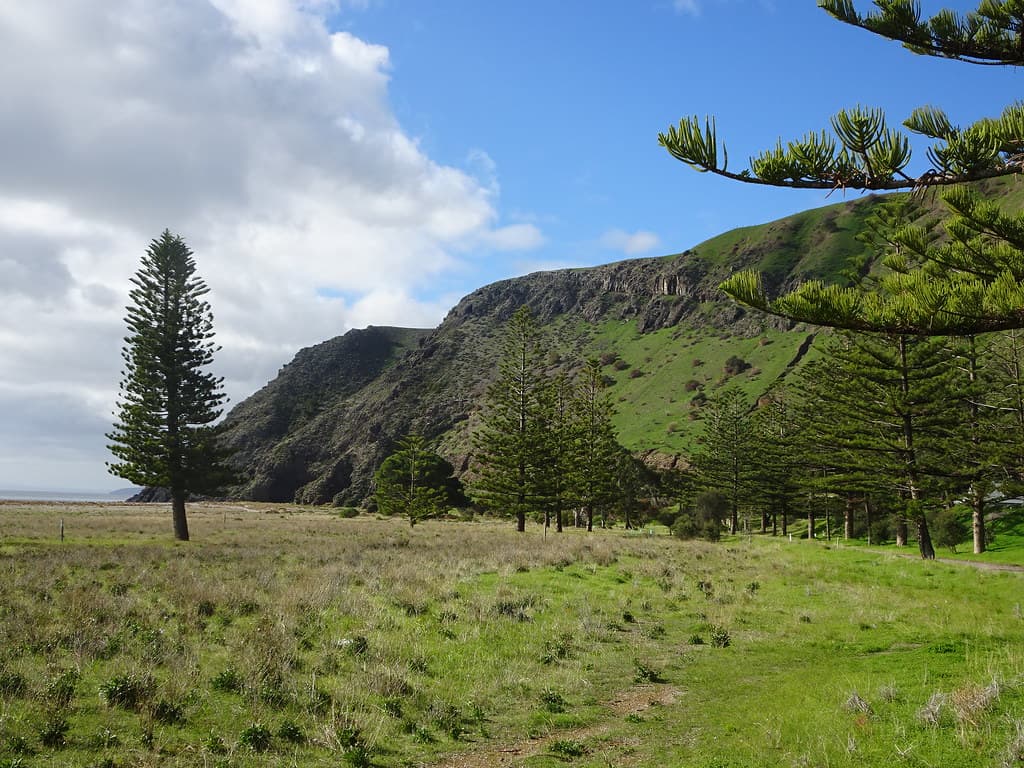
The approach to Cape Finniss reveals itself in layers: first the metallic glint of the ocean through scraggly coastal vegetation, then the sudden drop where farmland gives way to wilderness. You park where the track ends and walk over a low saddle of dune, and there it is—a crescent of sand the color of burnt sugar, flanked by headlands dark with lichen-covered rock. The beach curves for nearly two kilometers, uninterrupted, untamed. The dunes behind you aren't the gentle, grassy kind. They're architectural, their ridges knife-sharp, carved by relentless westerlies that howl across the Bight. Walk barefoot and the sand shifts from cool and damp near the waterline to furnace-hot where it's been baking all afternoon. Shells—tiny spirals, fragments of abalone, smooth moon snails—collect in the troughs between swells of sand. You won't find facilities here, no kiosk selling ice cream or lifeguard tower. What you will find is the kind of quiet that recalibrates your internal volume, the rhythmic percussion of waves on sand, the occasional white-bellied sea eagle tracing lazy circles overhead. Bring everything you need. Leave with nothing but the fine grit of the Eyre Peninsula between your toes and the memory of a beach that doesn't perform for anyone.
Places, rentals, tours and events within walking and driving distance of Cape Finniss Beach.
Photos
Cape Finniss Beach is relatively remote with limited beach patrols, so swimmers should exercise caution. The Southern Ocean can produce strong currents, unpredictable waves, and cold water temperatures year-round. Always check local conditions before entering the water and never swim alone. The beach is more suited to beachcombing, photography, and peaceful walks rather than swimming. If you do swim, stay close to shore and be aware of rips. There are no lifeguards on duty, so visitors swim entirely at their own risk.
Cape Finniss Beach can be visited year-round, with each season offering different experiences. Summer (December-February) provides warmer weather ideal for beach walks and picnics, though it can be windy. Autumn and spring offer mild temperatures and fewer visitors, perfect for photography and peaceful getaways. Winter brings dramatic Southern Ocean swells and stormy skies that create spectacular coastal scenery. The beach's remote location means it's rarely crowded any time of year. Morning visits often provide calmer conditions and better light for capturing the stunning dunes.
Cape Finniss Beach is located approximately 5 kilometres south of Elliston on South Australia's Eyre Peninsula. Access requires driving along unsealed roads, so a vehicle with reasonable clearance is recommended, especially after rain. From Elliston, follow signposted roads toward the coast. Basic parking areas are available near the beach access points, though facilities are minimal. The remote location means mobile phone coverage may be limited. Ensure your vehicle has adequate fuel and supplies before heading out, as the nearest services are back in Elliston township.
Cape Finniss Beach itself has no facilities, food vendors, or amenities—it's a completely undeveloped, natural beach. Visitors should bring all supplies, including water, food, and sun protection from Elliston, the nearest town about 5 kilometres away. Elliston offers accommodation options including hotels, motels, and holiday rentals, plus cafes, restaurants, and a general store for supplies. The town also has fuel and basic services. Many visitors make Cape Finniss a day trip from Elliston or other Eyre Peninsula towns. Always pack out all rubbish to preserve this pristine environment.
Cape Finniss Beach features striking white sand dunes that create a dramatic contrast against the deep blue Southern Ocean and coastal vegetation. These natural dune formations are continually shaped by coastal winds and provide excellent opportunities for photography, particularly during golden hour. The dunes are part of a fragile coastal ecosystem, so visitors should avoid disturbing vegetation that stabilizes them. The relatively untouched nature of these dunes, combined with the beach's remote location, offers a serene landscape experience that's increasingly rare along developed coastlines, making it popular with nature photographers and solitude-seekers.