Counting the waves…
Counting the waves…

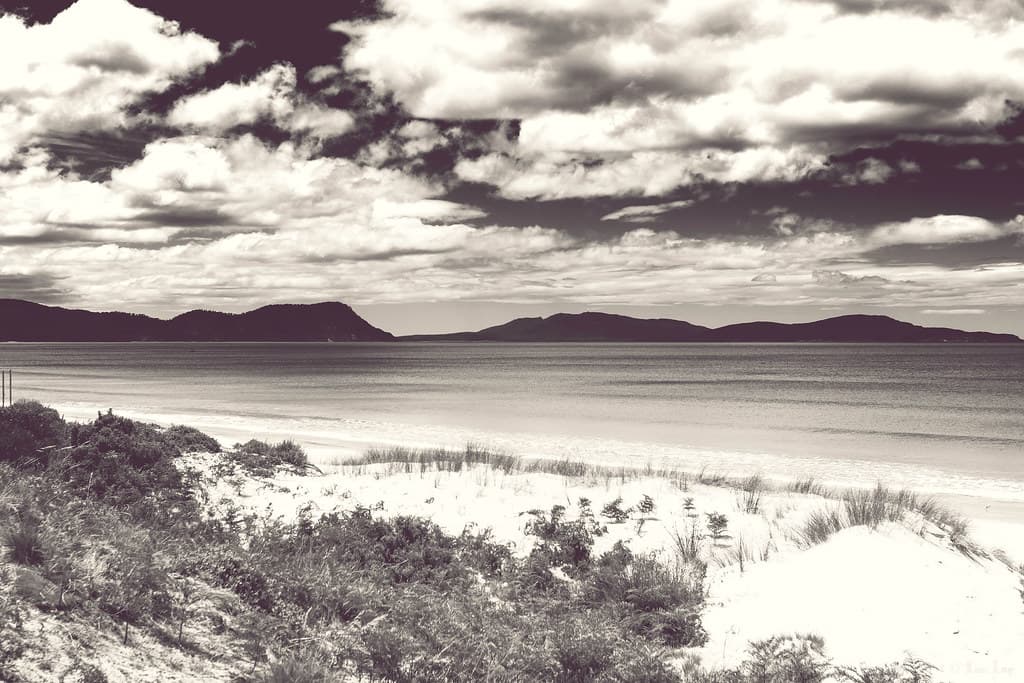
The track from the car park winds through low banksia and teatree before the bay reveals itself in full—a generous arc of white sand framed by ochre cliffs that glow amber in afternoon light. You'll spread your picnic blanket on sand that's softer than it looks, watching shearwaters skim the surface while families wade into water so calm it mirrors the sky. The beach faces northeast, sheltered from the prevailing westerlies that batter the park's outer coast. Midmorning brings the clearest visibility: you can trace patterns of seagrass through the shallows, watch small fish dart around your ankles, and spot the occasional dolphin cruising past the northern headland that gives the bay its name. The sand slopes gently, making it easy to walk out fifty meters and still touch bottom. Bring your own shade—the nearest trees sit well back from the water. By late afternoon, the light turns the cliffs into layered bands of cream and terracotta. You'll likely share the beach with no more than a dozen others, even in January. The facilities are basic: pit toilets and a single freshwater tap. Pack everything in, pack everything out. On your way back to the car, check the coastal heath for blue wrens and the occasional echidna nosing through leaf litter.
Places, rentals, tours and events within walking and driving distance of Dolphin Bay Beach.
Photos
Dolphin Bay Beach offers sheltered swimming conditions thanks to its protected bay location within Innes National Park. The calm, clear waters make it suitable for families and swimmers of varying abilities. However, there are no lifeguard services or shark nets, so swim at your own risk and stay aware of conditions. Check surf reports before visiting, as ocean conditions can change. Always supervise children closely, avoid swimming alone, and be mindful of marine life. The beach's protected nature generally provides safer conditions than many exposed South Australian surf beaches.
Dolphin Bay Beach can be enjoyed year-round, though each season offers different experiences. Summer (December-February) provides warm weather ideal for swimming and beach activities, but can be busier. Autumn and spring offer pleasant temperatures with fewer crowds, perfect for walking and wildlife watching. Winter is quieter and excellent for dramatic coastal scenery, though swimming may be chilly. The park's Mediterranean climate means mild winters and warm, dry summers. For the best experience, visit on weekdays outside school holidays to avoid peak crowds while still enjoying comfortable weather.
Dolphin Bay Beach is located within Innes National Park, approximately 300km west of Adelaide via the Yorke Peninsula. From Adelaide, drive through Minlaton and Warooka, then follow signs to Innes National Park. The final section involves unsealed roads suitable for 2WD vehicles in dry conditions, though 4WD is recommended after rain. A park entry fee applies. Parking is available near the beach access point. The remote location means no public transport serves the area, so a private vehicle is essential. Allow approximately 4 hours driving time from Adelaide.
Dolphin Bay Beach has no commercial facilities, cafes, or shops, so visitors must bring all food, water, and supplies. The nearest towns with shops and fuel are Stenhouse Bay (15km) and Warooka (50km). Within Innes National Park, camping is available at designated campgrounds including West Cape and Pondalowie Bay, requiring advance booking through the SA Parks website. Basic facilities like toilets may be available at some sites, but expect remote, bush camping conditions. Alternatively, stay in towns like Marion Bay or Warooka and day-trip to the beach.
While Dolphin Bay Beach bears the name, dolphin sightings aren't guaranteed but are certainly possible, particularly in warmer months. The protected waters of the bay can attract marine life including dolphins, and visitors have reported occasional sightings from the shore or while swimming. Early morning or late afternoon may offer better chances. The beach is part of a pristine coastal environment where various marine species thrive. Beyond dolphins, you might spot seabirds, seals, and diverse fish species in the clear waters, making it worthwhile for nature enthusiasts regardless of dolphin appearances.