
Counting the waves…
Counting the waves…

The sand at Coffin Bay Beach doesn't just reflect light; it holds it, a fine white powder that stays cool underfoot even at noon. You wade into water so clear you count your toes at chest depth, the bottom a rippled canvas of shell grit and the occasional stingray shadow. Children shriek in the shallows while their parents float on their backs, weightless, staring up at a sky uninterrupted by anything taller than a coastal sheoak. This isn't a beach for drama—no crashing surf or rocky headlands—but that's precisely the point. The bay's natural harbor tames the Southern Ocean into something gentle, a rarity on this stretch of coast. You spread your towel near the dunes, where salt bush releases its briny perfume in the heat, and watch sailboats tack across the horizon. By mid-afternoon, the water takes on an almost Caribbean glow, absurd for a place this far south. When hunger strikes, you don't have far to go. The township sits minutes away, its oyster farms pulling briny treasures from the same waters you've been swimming in. You crack a dozen at a picnic table, the meat sweet and cold, tasting of exactly where you are. The beach empties as the sun drops, turning the whole bay molten gold, and you realize you've been here six hours without checking your phone once.
Places, rentals, tours and events within walking and driving distance of Coffin Bay Beach.
Photos
Coffin Bay Beach is generally safe for swimming, with calm, clear waters that make it popular with families. The beach is sheltered within Coffin Bay National Park, offering protection from strong ocean swells. However, it's an unpatrolled beach, so swimmers should take personal responsibility for their safety. Always check local conditions before entering the water, watch for changing tides, and supervise children closely. The calm conditions make it particularly suitable for young swimmers, but standard ocean safety practices should always be followed.
Coffin Bay Beach can be enjoyed year-round, though each season offers different experiences. Summer (December-February) brings warm weather ideal for swimming, with temperatures reaching 25-30°C, though it can be busy. Autumn and spring offer milder conditions, fewer crowds, and pleasant beach weather. Winter (June-August) is cooler but still scenic, perfect for walks and wildlife spotting. The region enjoys a Mediterranean climate with generally mild conditions. For the best combination of good weather and fewer visitors, consider visiting during shoulder seasons in March-May or September-November.
Coffin Bay Beach is located approximately 46 kilometres west of Port Lincoln via the Flinders Highway. From Adelaide, it's about a 7-hour drive (670 kilometres). The beach is accessed through the town of Coffin Bay, with clear signage directing visitors. Parking is available near the beach, with designated areas that can accommodate cars and boat trailers. During peak summer periods, parking may fill up, so arriving early is advisable. The roads are sealed and suitable for regular vehicles, making access straightforward for most travellers.
The nearby town of Coffin Bay offers several dining options, including cafes and restaurants specializing in fresh local seafood, particularly the region's famous oysters. Basic amenities like public toilets are available near the beach. Accommodation ranges from holiday parks and caravan parks to holiday houses and bed-and-breakfasts in town, located just minutes from the beach. For groceries and supplies, there's a general store in Coffin Bay township. Port Lincoln, 46 kilometres away, provides more extensive shopping, dining, and accommodation options for those preferring a larger town base.
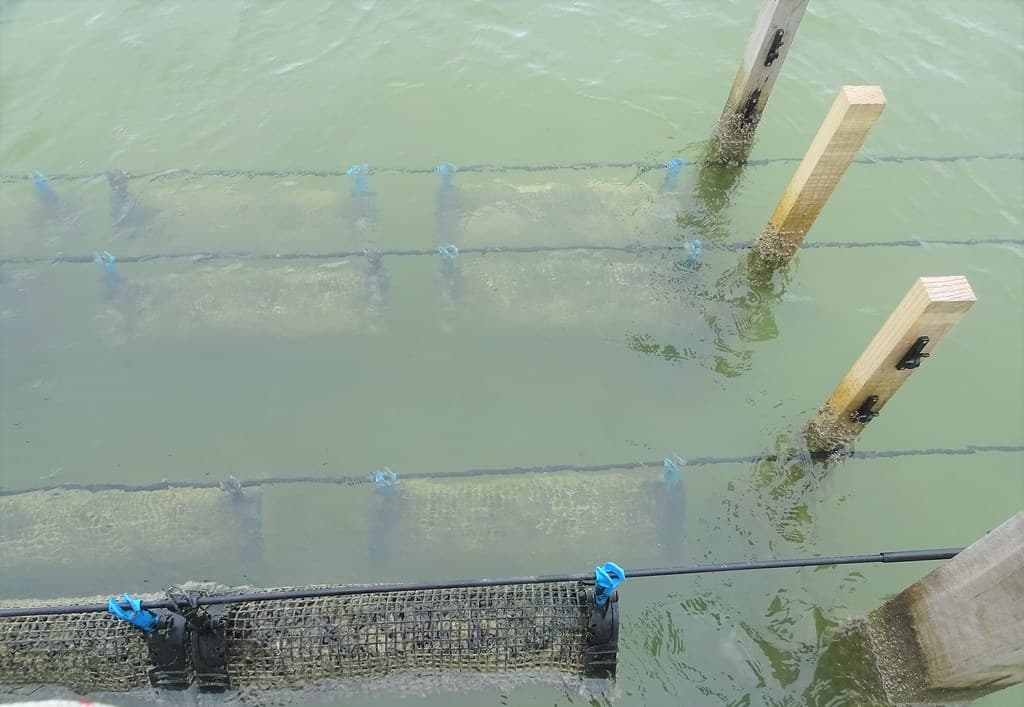
While Coffin Bay is world-famous for oysters, recreational harvesting is subject to strict regulations and licensing requirements. You cannot simply collect oysters from the beach without proper permits, as commercial oyster farming operations are active in the area. Visitors interested in oysters should purchase them fresh from local suppliers, restaurants, or join organized oyster farm tours that operate in the region. These tours offer educational experiences and tastings while supporting sustainable practices. Always respect aquaculture leases and follow local fishing regulations if collecting other shellfish species.