Counting the waves…
Counting the waves…

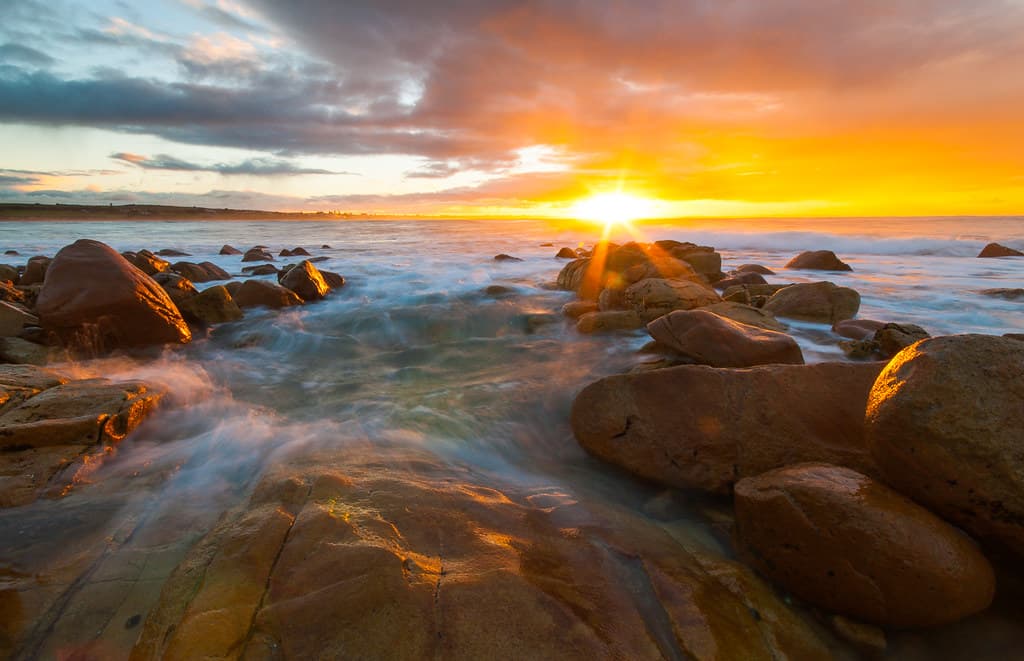
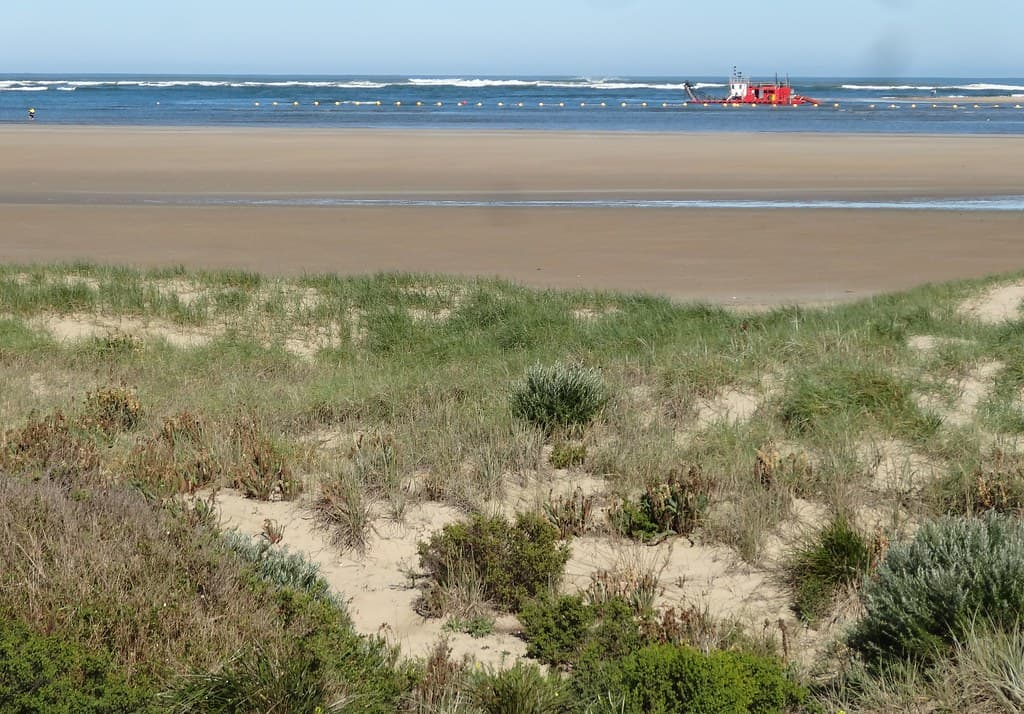
You park beneath a canopy of acacias and cross a low boardwalk where the air shifts from eucalyptus-scented scrub to salt and kelp. The beach unfolds in a pale ribbon, unbroken for miles, the surf low and methodical. Foam gathers in lace patterns along the tideline, and the sand is dense enough to walk barefoot without effort. Pelicans glide in formation overhead, their shadows skating across the water. This is the Coorong in its purest expression: no vendors, no umbrellas, no crowd. Families spread picnic rugs in the shelter of the dunes while kids chase the retreating waves, their laughter swallowed by wind. The shoreline collects cockle shells and cuttlebone, smooth stones in shades of rust and grey. Behind you, the dune system rises in golden ridges, stabilized by spinifex and saltbush that shiver in the onshore breeze. By late afternoon, the light turns amber, and the beach takes on a mineral quality—sand, sky, and sea merging in gradations of ochre and pewter. You walk until your footprints are the only marks, until the silence feels like a presence. The Coorong doesn't announce itself with drama; it earns your attention slowly, rewarding those who linger long enough to notice the flight path of a cormorant or the way the tide rewrites the beach twice daily.
Places, rentals, tours and events within walking and driving distance of Coorong National Park Beach.
Photos
Swimming conditions at Coorong National Park Beach vary considerably. The beach faces the Southern Ocean with strong currents, unpredictable surf, and no patrolled areas or lifeguards. Swimming is generally not recommended due to these hazards. The beach is better suited for wading, beachcombing, and scenic walks. Always check local conditions before entering the water, never swim alone, and keep children under close supervision near the water's edge. The calm lagoon areas within the park offer safer alternatives for water activities.
Coorong National Park Beach can be visited year-round, with each season offering different experiences. Spring (September-November) and autumn (March-May) provide mild temperatures ideal for beach walks and wildlife watching, particularly migratory birds. Summer (December-February) offers warm weather but can be hot and windy. Winter (June-August) is cooler and quieter, perfect for solitude seekers. Birdwatching is exceptional from October to April. The region experiences low rainfall throughout the year, making most months suitable for visits.
Coorong National Park Beach is accessible via the Princes Highway from Adelaide, approximately 200 kilometers southeast (about 2.5 hours' drive). Turn off at Salt Creek and follow signs to the beach access points. A 4WD vehicle is recommended for beach driving, though some areas have conventional vehicle access. Parking is available at designated entry points near Salt Creek. You'll need a valid National Parks permit for entry. The beach itself allows 4WD driving with appropriate permits and vehicle equipment.
The tiny settlement of Salt Creek offers limited amenities including a general store and fuel. The nearest substantial services are in Meningie (40km north) with supermarkets, cafes, and accommodation. Basic camping facilities are available within Coorong National Park at designated campgrounds, some near the beach. For more comfortable lodging, consider Meningie or Kingston SE (60km south), which offer motels, caravan parks, and holiday rentals. Pack sufficient food, water, and supplies before visiting, as on-site facilities are minimal.
The Coorong's unique geography features a narrow coastal strip separating the Southern Ocean beach from the extensive lagoon system behind. While you cannot see the lagoon directly from the ocean beach due to sand dunes and vegetation, the two ecosystems exist remarkably close together. Accessing both requires short walks or drives between designated points. This distinctive dual-water environment creates the region's famous biodiversity. Many visitors explore both the surf beach and the calm lagoon waters during their stay to experience the area's complete natural character.