Counting the waves…
Counting the waves…
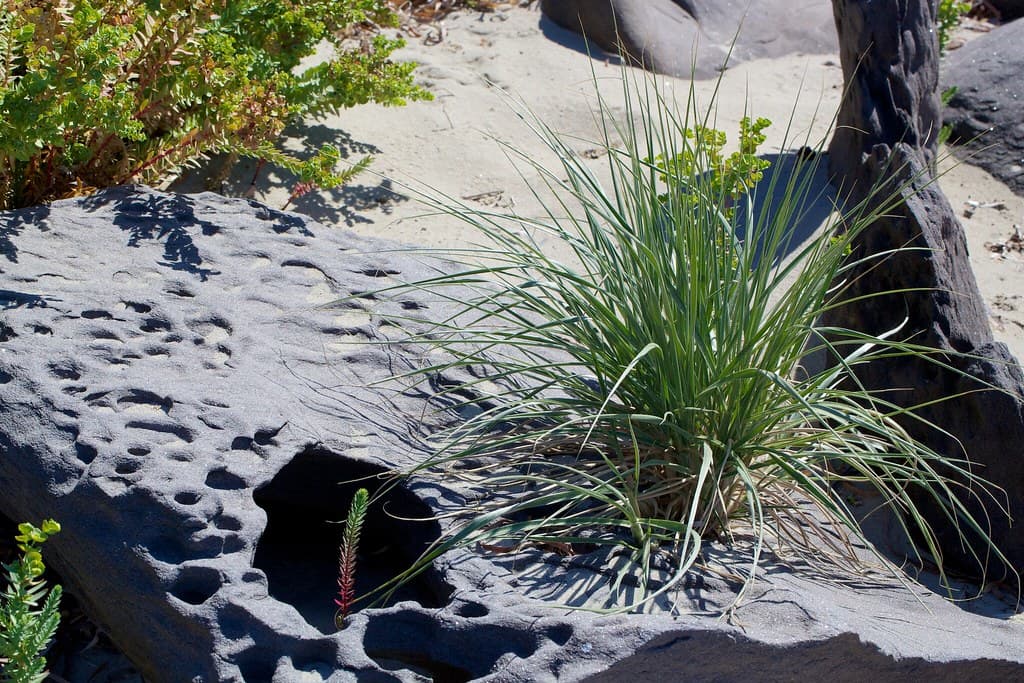
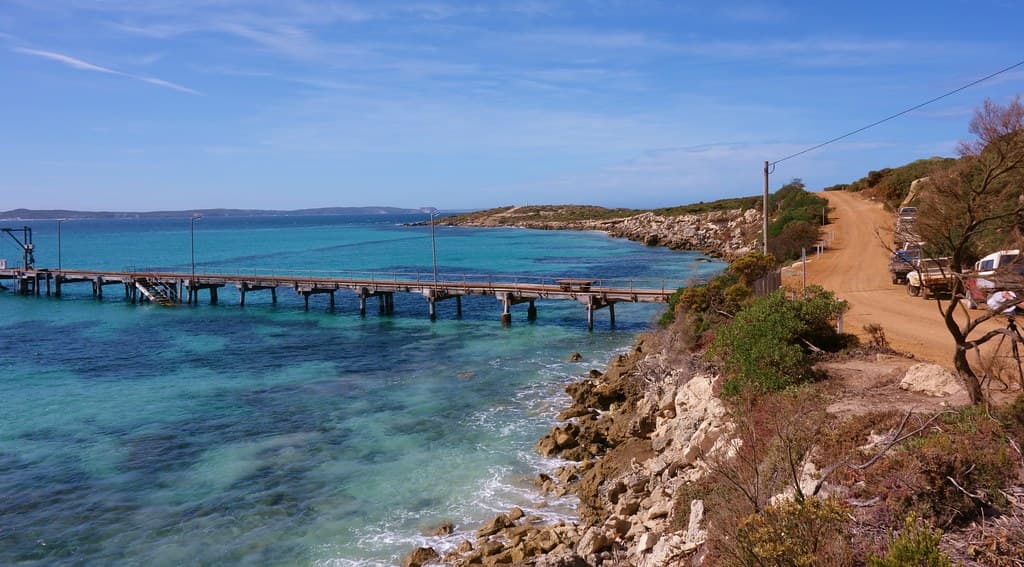
The gravel track narrows as you approach Chesney Bay, winding through coastal scrub that scratches gently against your vehicle. When the beach finally reveals itself, it does so quietly—no sweeping vista, just an intimate arc of sand pressed between low headlands of honey-colored limestone. The water shifts from jade to gunmetal depending on the clouds, and the air carries the briny tang of kelp drying in the sun. You'll have the place mostly to yourself, save for the New Zealand fur seals that occasionally haul out on the western rocks and the white-bellied sea eagles circling overhead. The beach faces south, catching the full force of Antarctic swells, so the surf can be boisterous even on calm days. Foam gathers in the rockpools, and smooth stones rattle in the undertow. There are no facilities here—no bins, no toilets, no mobile reception. Bring everything you need and take it all back with you. The isolation is the point. Sit on the driftwood logs stacked like bleached bones above the high-tide line, and let the rhythm of the waves reset your internal clock. This is Kangaroo Island at its most unvarnished.
Places, rentals, tours and events within walking and driving distance of Chesney Bay Beach.
Photos
Swimming conditions at Chesney Bay Beach vary with weather and season. As a relatively remote beach on Kangaroo Island, it lacks lifeguard services and facilities. Always check local conditions before entering the water, as ocean beaches in this area can experience strong currents and undertows. The beach is generally more suited to beach walks, wildlife watching, and relaxation rather than swimming. If you do swim, stay close to shore, never swim alone, and be aware that help may be distant in emergencies.
Chesney Bay Beach can be visited year-round, though each season offers different experiences. Summer (December-February) provides warm weather ideal for beach activities, while autumn and spring offer milder temperatures perfect for walking and wildlife spotting. Winter can be cooler and windier but brings dramatic scenery and fewer visitors. The shoulder seasons (March-May and September-November) often provide the best combination of pleasant weather and solitude. Always check weather forecasts before visiting, as conditions can change quickly on Kangaroo Island.
Chesney Bay Beach is located near Vivonne Bay on Kangaroo Island's south coast. Access requires a vehicle, as public transport to this remote area is limited. From Vivonne Bay township, follow local roads toward the beach—a 4WD may be recommended depending on road conditions. Parking facilities are typically basic or informal in this undeveloped area. Ensure your vehicle has adequate fuel and supplies before setting out. Allow extra travel time on Kangaroo Island's rural roads, and consider checking with locals about current access conditions.
Chesney Bay Beach itself has no facilities, amenities, or accommodation due to its remote nature. The nearby town of Vivonne Bay, a few kilometers away, offers limited services including a general store and some accommodation options. For more extensive dining, shopping, and lodging choices, Kingscote (approximately 60km away) is the island's main town. Visitors should bring their own food, water, and beach supplies. The nearest fuel stations are also in larger townships, so plan accordingly and stock up before heading to this secluded beach.
Kangaroo Island's beaches are known for wildlife encounters. At Chesney Bay Beach, you may spot Australian sea lions, New Zealand fur seals, and various seabirds including oystercatchers and white-bellied sea eagles. Dolphins occasionally swim offshore, and during winter months, southern right whales may be visible from the shore. Rock pools can harbor small marine life. Always observe wildlife from a respectful distance and never approach or feed animals. The beach's remote location increases chances of wildlife sightings, particularly during quieter early morning or late afternoon hours.