Counting the wavesβ¦

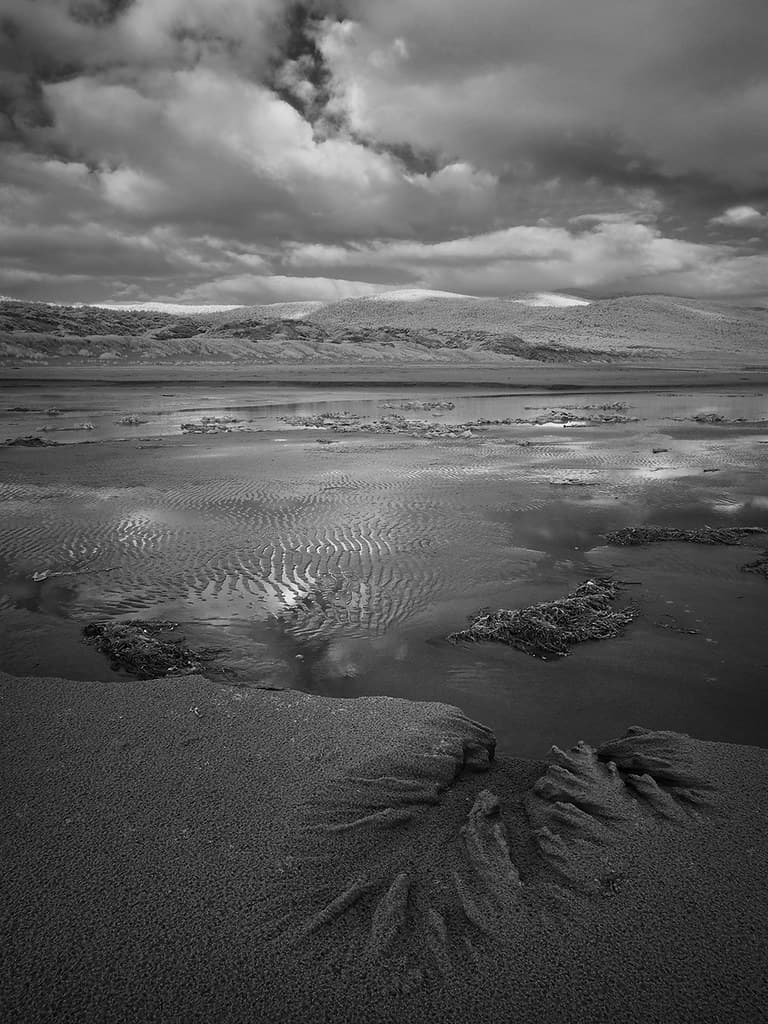
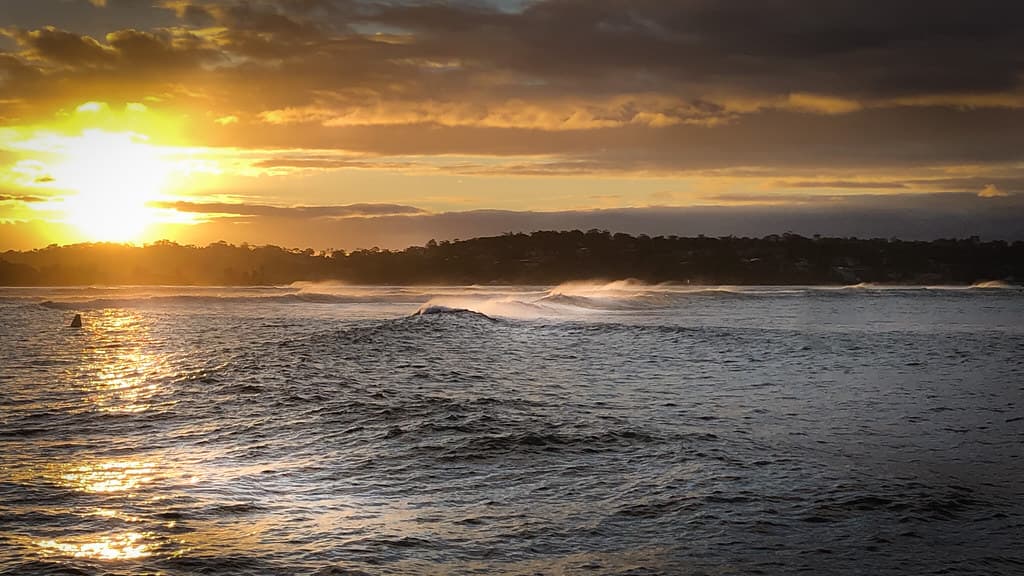
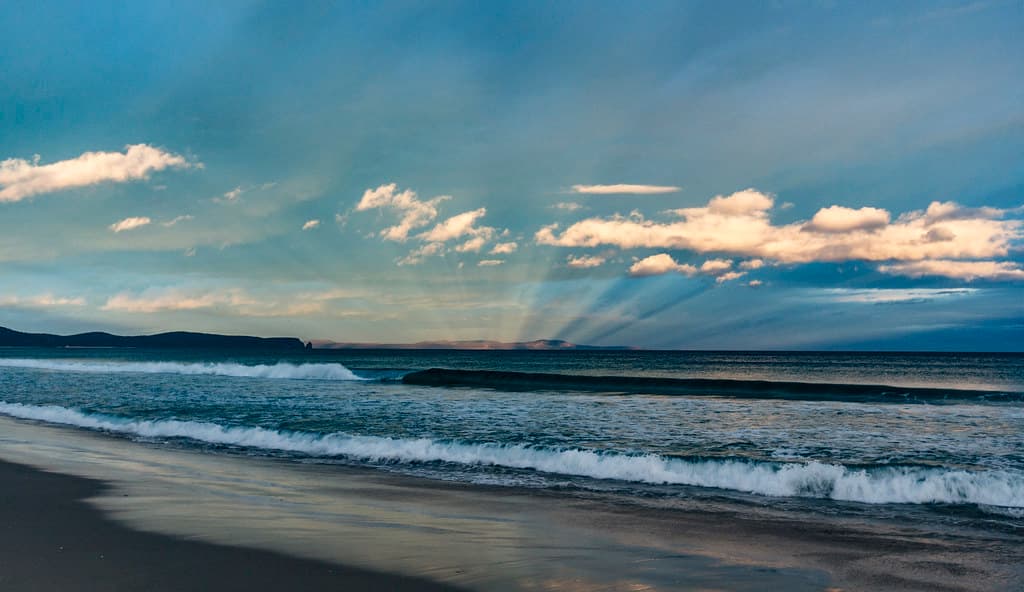
Adventure Bay stretches nearly three kilometres along Bruny Island's southeastern coast, a tawny arc bordered by stands of she-oak and coastal heath that whisper in the southerly wind. The beach faces east, catching morning light that turns the wet sand copper and illuminates the jagged silhouette of Fluted Cape on the southern horizon. Offshore, the water shifts from pale aqua near shore to navy where the continental shelf drops away, and pods of dolphins sometimes work the surf line in the half-light before breakfast. You'll share the sand with nesting hooded plovers in summer and beachcombers year-round who comb the tideline for blue-ringed argonaut shells and cuttlebone. The northern end curves toward Penguin Islandβa low, scrub-covered hump you can walk to at low tide if you don't mind cold water to your knees. A general store and cafe anchor the township two blocks back from the foreshore, selling Bruny Island oysters and sourdough from wood-fired ovens. Captain Cook anchored here in 1777, and a weathered monument still stands near the jetty. But the real history lies in the Nuenonne middens half-buried in the dunes, evidence of 35,000 years of habitation. At dusk, Bennett's wallabies emerge from the teatree scrub to graze the grassy foreshore, unbothered by the handful of campers pitching tents in the beachfront reserve.
Places, rentals, tours and events within walking and driving distance of Adventure Bay.
Photos
Adventure Bay offers generally calm swimming conditions, particularly in the sheltered northern end of the beach. However, conditions can vary with weather and tides. There are no patrolled swimming areas or lifeguards on duty, so visitors should exercise caution and swim at their own risk. Check local conditions before entering the water, avoid swimming alone, and be aware of changing tides. The bay's protected location typically makes it safer than ocean-facing beaches, but always supervise children closely and stay within your swimming abilities.
Adventure Bay can be visited year-round, with each season offering different experiences. Summer (December-February) provides the warmest weather for swimming and beach activities, though it's also the busiest period. Autumn and spring offer milder temperatures, fewer crowds, and excellent conditions for wildlife watching. Winter is quieter and ideal for beachcombing and scenic walks, though water temperatures are cold. The bay's sheltered position means it's often pleasant even when other parts of Tasmania experience harsher weather, making it a reliable destination throughout the year.
To reach Adventure Bay, take a vehicle ferry from Kettering (about 35 minutes south of Hobart) to Bruny Island, then drive approximately 40 minutes south through the island. The ferry operates daily and accepts walk-on passengers and vehicles; bookings are recommended during peak season. Once at Adventure Bay, free parking is available along the beachfront and at designated parking areas near the beach access points. The beach is easily accessible from the main road, with multiple entry points along the shoreline for convenient access to different sections of the bay.
Adventure Bay has several dining options including cafes, restaurants, and the historic Adventure Bay Hotel, which serves pub meals and local seafood. The nearby Bruny Island Cheese Company and Get Shucked oyster farm offer fresh local produce. Accommodation ranges from holiday rentals and cottages to camping facilities at the beachfront campground. The town has a general store for basic supplies, but for extensive shopping, you'll need to return to mainland Tasmania. It's advisable to book accommodation well in advance, especially during summer and public holidays, as options are limited.
Adventure Bay holds remarkable maritime history as a provisioning stop for famous explorers including Captain James Cook (1777), William Bligh (1788 and 1792), and French explorers Bruni d'Entrecasteaux and Nicolas Baudin in the late 1700s. The bay provided fresh water, wood, and shelter for these early expeditions. You can visit the Bligh Museum of Pacific Exploration to learn about these voyages, and see the historic Penguin Rookery monument commemorating these expeditions. This rich exploration history makes Adventure Bay one of Australia's most significant early European contact sites.