Counting the waves…
Counting the waves…

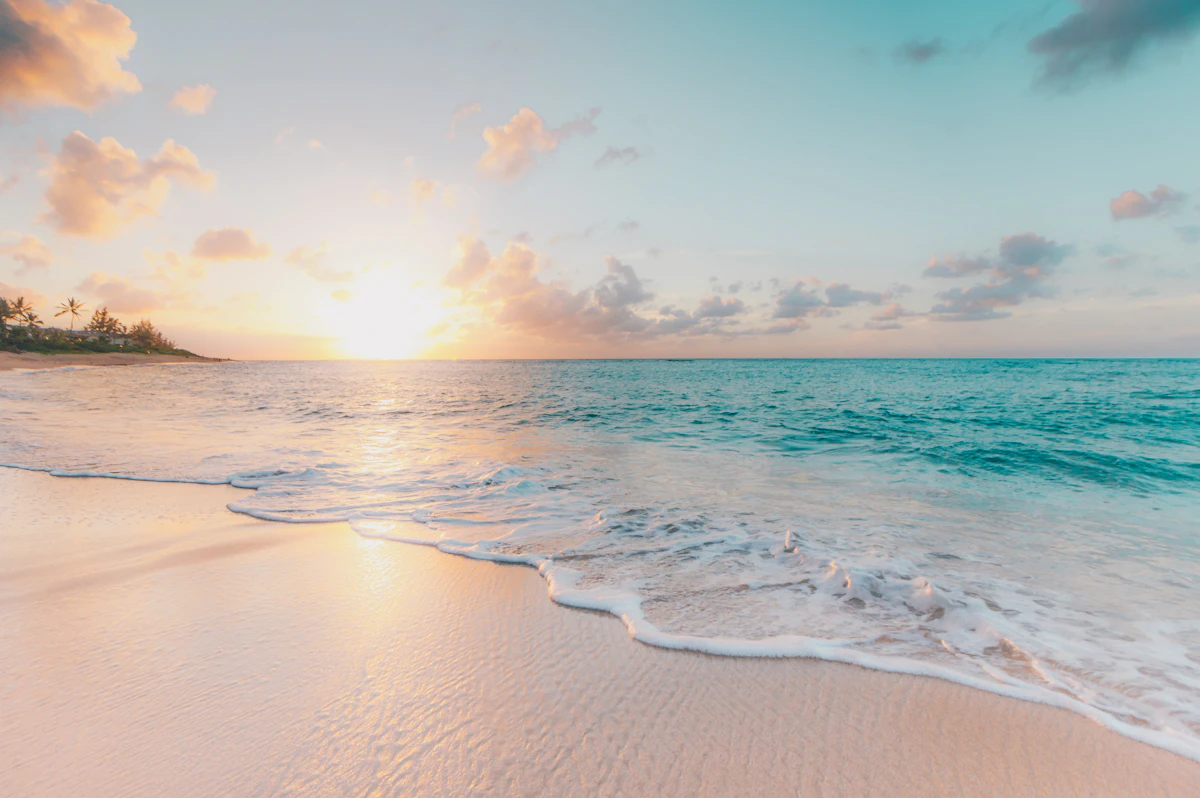
The Neck is less a beach than a geographic miracle: a hundred-meter-wide land bridge threading South and North Bruny together, flanked by Adventure Bay to the east and the Tasman Sea to the west. You'll climb a timber boardwalk and staircase to a lookout where the view spreads like a topographic map—blonde dunes, marram grass bending in the wind, and water in two shades of blue so distinct you could draw the boundary with a ruler. On clear mornings, Fluted Cape rises in charcoal folds to the south. Below, the sand runs firm and pale, scattered with kelp ribbons and the occasional cuttlebone. Families spread picnic blankets in the lea of the dunes while children chase waves that never seem to break with much conviction. The water stays brisk year-round—locals call it "refreshing," which is Tasmanian for cold—but shallow enough that toddlers wade without drama. Oystercatchers probe the tideline, their orange beaks bright against the kelp. As the light softens, little penguins emerge from burrows tucked into the dune grasses, shuffling toward the surf in wobbly parades. You'll watch from the boardwalk—torches forbidden, voices low—as they navigate the sand with the earnest clumsiness of commuters late for a ferry. It's a nightly ritual that turns a stunning beach into something closer to pilgrimage.
Places, rentals, tours and events within walking and driving distance of The Neck Beach.
Photos
Swimming conditions at The Neck vary significantly depending on which side you choose. The Adventure Bay side (west) tends to be calmer and more sheltered, while the Isthmus Bay side (east) often experiences stronger currents and winds. Always check conditions before entering the water, as weather can change quickly in Tasmania. The beach lacks lifeguard patrols, so swim at your own risk and stay close to shore. The main attraction here is typically the scenic views rather than swimming, with many visitors preferring to walk the beach and climb the nearby lookout instead.
The Neck is stunning year-round, though each season offers different experiences. Summer (December-February) provides the warmest weather and best conditions for beach activities, though it's busiest then. September through November is excellent for viewing little penguins returning to their burrows at dusk near the Truganini Lookout. Winter offers dramatic scenery with fewer crowds, but bring warm layers as coastal winds can be fierce. Early morning and late afternoon generally provide the best light for photography and wildlife spotting. The lookout boardwalk is accessible in all seasons except during severe weather warnings.
To reach The Neck, take the vehicle ferry from Kettering (40 minutes south of Hobart) to Bruny Island, then drive approximately 40 minutes south through the island. The beach is located at the narrow isthmus connecting North and South Bruny. There's a well-marked car park at the base of the Truganini Lookout with adequate spaces for regular vehicles. The parking area provides direct beach access on both sides of The Neck. Note that ferry bookings are essential during peak season, and you'll need to pay ferry fees for vehicles and passengers.
The Neck itself has minimal facilities—just basic toilets at the car park and an information shelter. There are no cafes, restaurants, or shops at this location, so bring your own food, water, and supplies. The nearest services are in Adventure Bay (15 minutes north) where you'll find a general store, cafe, and limited dining options. Accommodation options on Bruny Island include holiday rentals, camping grounds, and B&Bs scattered throughout Adventure Bay, Alonnah, and other townships. Most visitors treat The Neck as a scenic stop rather than an all-day destination.
Yes, The Neck is one of Tasmania's most accessible spots to observe little penguins in their natural habitat. These small penguins nest in burrows along the dunes and return from fishing at dusk, typically around sunset. The best viewing is from the Truganini Lookout boardwalk during breeding season (September-March), though they're present year-round. Arrive before sunset and remain quiet and still. Use red-light torches only, as white light disorients the penguins. Respect all fenced areas protecting nesting sites, and never touch or chase the penguins as this causes significant stress to these protected birds.