Counting the waves…
Counting the waves…

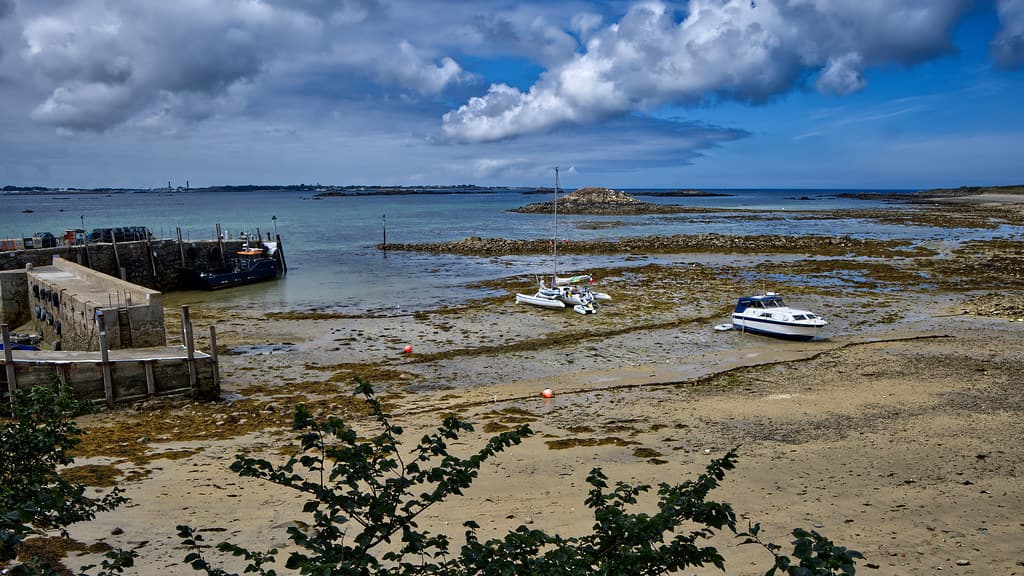
Boat Harbour Beach unfolds like a carefully kept secret along Tasmania's northern coastline, forty-five minutes west of Launceston. You'll descend a short slope from the car park and find yourself facing a horseshoe bay where the sand gleams bone-white against water that shifts from pale mint near shore to deep sapphire beyond the headlands. The beach stretches just wide enough to feel uncrowded even on warm January afternoons, when local families claim their usual spots beneath the Norfolk pines that fringe the dunes. The water here stays shallow for thirty meters out, warming slightly in the Tasmanian summer but never losing its bracing edge. You'll watch toddlers splash confidently while their parents unpack thermoses and lamingtons, the scene framed by lichen-spotted granite boulders at either end of the bay. Seabirds work the tideline, their calls blending with the gentle percussion of small waves breaking over reef platforms visible at low tide. Come in the shoulder seasons and you might share the beach with only a handful of wetsuit-clad locals and the occasional wallaby grazing near the scrub behind the dunes. The light turns golden earlier here than on Australia's mainland, casting long shadows across the sand by four o'clock and painting the western headland in shades of ochre and rust. Facilities are minimal—a car park, basic amenities—which is precisely how regulars prefer it.
Places, rentals, tours and events within walking and driving distance of Boat Harbour Beach.
Photos
Boat Harbour Beach is generally considered safe for families and children due to its sheltered location and typically calm, clear waters. The beach features gentle waves and a gradual depth increase, making it ideal for young swimmers. However, always supervise children closely and swim between the flags when lifeguards are on duty during peak summer months. Check local conditions before entering the water, as weather can affect surf conditions. The beach's protected position usually means minimal rips and currents compared to more exposed Tasmanian beaches.
While Boat Harbour Beach can be visited year-round, December through February offers the warmest weather with temperatures reaching 20-24°C, ideal for swimming and sunbathing. The water temperature peaks around 16-18°C in summer. Spring (September-November) and autumn (March-May) provide pleasant conditions with fewer crowds, though water may be cooler. Winter months are quieter and scenic for beach walks, but swimming requires cold tolerance. Summer weekends and January school holidays are busiest, so visit midweek or shoulder seasons for a more peaceful experience while still enjoying relatively mild Tasmanian weather.
Boat Harbour Beach is approximately 250 kilometres northwest of Launceston, roughly a 3-hour drive via the Bass Highway. From Launceston, take the A1/Bass Highway west toward Burnie, then follow signs to Boat Harbour. The beach has free parking available in designated areas near the foreshore, though spaces can fill quickly during summer weekends and public holidays. Additional parking is usually available along nearby streets. There's no public transport directly to the beach, so a private vehicle or organized tour is necessary. The small town is easily navigable once you arrive.
Boat Harbour Beach is a small coastal town with limited but adequate amenities. You'll find a general store for basic supplies and snacks, plus a few cafes and takeaway options nearby. For more extensive dining choices, nearby Wynyard (15 minutes) and Burnie (30 minutes) offer restaurants and supermarkets. Accommodation includes holiday homes, caravan parks, and beachfront units available for rent. The Boat Harbour Beach Hotel provides pub-style meals and rooms. For more variety in lodging and dining, consider staying in Burnie or Wynyard and making a day trip to the beach.
Boat Harbour Beach's distinctive turquoise water results from several natural factors. The pure white silica sand reflects light through the shallow water, creating brilliant aqua hues. The beach's sheltered position in a protected bay means minimal sediment disturbance, keeping the water exceptionally clear. Tasmania's generally clean ocean waters, free from major industrial pollution and with fewer nutrients that cause algae, contribute to the clarity. The shallow, sandy bottom allows sunlight to penetrate and reflect back, intensifying the tropical-like colour—quite remarkable for a Tasmanian beach and often compared to more northern Australian destinations.