Counting the waves…
Counting the waves…

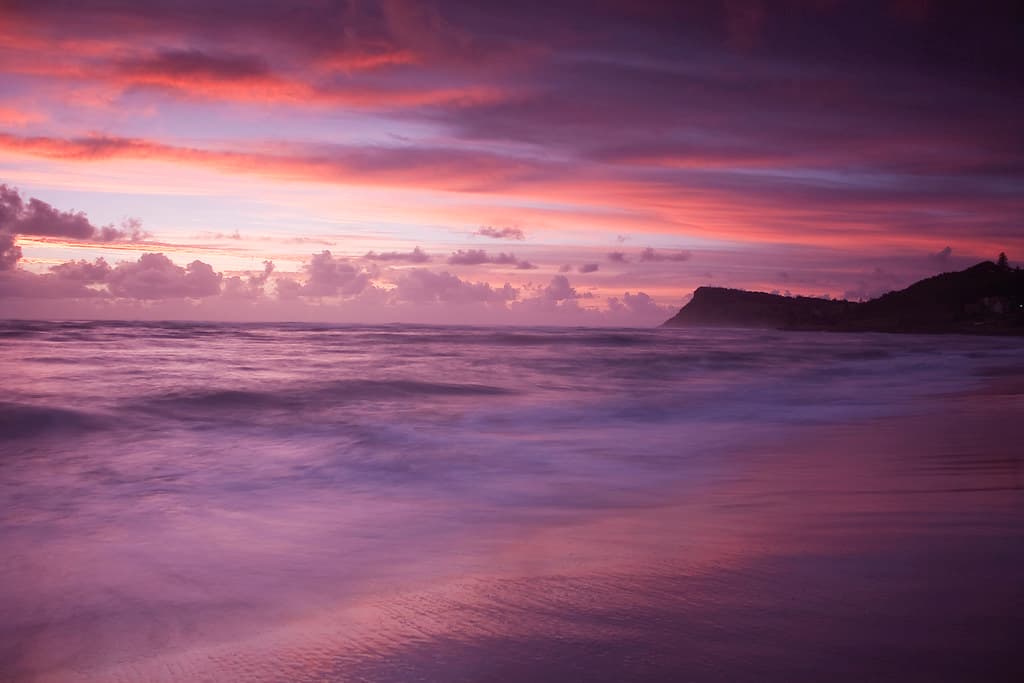
The drive east from Launceston threads through dairy country and eucalypt stands before the road dips toward a shore few bother to seek. Windermere Beach unfolds as a gentle crescent where golden sand meets water that shifts from jade in the shallows to cobalt beyond the rocks. Granite outcrops, smoothed by millennia of swells, anchor both ends of the bay and create natural aquariums where schools of Old Wives dart between bull kelp holdfasts. Pull on a mask and fins, and you'll find yourself gliding over rocky reefs just metres from shore. Zebra fish patrol the boulders; if you're patient and still, pot-bellied seahorses cling to swaying weed. The water here reads the moods of Bass Strait—some days mirror-flat, others lively enough to test your finning—but the sheltered eastern corner stays diveable most of the year. Between swims, spread a towel on sand that holds the sun's warmth well into autumn afternoons. There's no surf club, no kiosk, no lineup for parking. Just a small reserve with picnic tables under she-oaks and the rhythmic hiss of wavelets on sand. Bring everything you need in a cooler; the nearest shops sit back in the hills. By late afternoon, when the light turns honeyed and glosses the wet rocks, you'll understand why the handful of locals who know this place guard it quietly.
Places, rentals, tours and events within walking and driving distance of Windermere Beach.
Photos
Windermere Beach is generally calm and suitable for swimming, particularly during summer months when conditions are more settled. The sheltered location makes it ideal for snorkeling, with relatively clear waters and marine life to observe. However, always check local conditions before entering the water, as Tasmania's coastal weather can change quickly. There are no lifeguard patrols, so swim within your abilities and stay close to shore. The rocky areas that make snorkeling interesting can also present hazards, so wear appropriate footwear and watch for submerged rocks.
Windermere Beach can be visited year-round, with each season offering different experiences. Summer (December to February) provides the warmest weather and best swimming conditions, with temperatures reaching 20-24°C. Autumn and spring offer milder weather and fewer visitors, ideal for peaceful beach walks and snorkeling when seas are calm. Winter is quieter and cooler but still scenic for coastal exploration. For snorkeling, aim for calm days with good visibility, typically found on still mornings. The beach's sheltered position means it's often more protected than exposed Tasmanian beaches.
Windermere Beach is located approximately 15 kilometers north of Launceston. Drive via the West Tamar Highway and follow signs toward Windermere. The beach can be accessed via local roads, and limited parking is available near the beach area. As this is a less developed beach, parking facilities are basic rather than formal car parks. A private vehicle is the most practical way to reach Windermere Beach, as public transport options to this area are limited. The roads are generally well-maintained and suitable for standard vehicles.
Windermere Beach is relatively remote with minimal facilities directly at the beach itself. You'll find more comprehensive amenities in nearby Launceston, about 15 kilometers away, including supermarkets, restaurants, cafes, and various accommodation options from hotels to vacation rentals. It's advisable to bring your own food, drinks, and beach supplies, as there are no shops or cafes within immediate walking distance. Some bed and breakfasts and holiday rentals may be available in the surrounding Tamar Valley region. Pack essentials including water, snacks, and sun protection before your visit.
Windermere Beach's sheltered position in the Tamar River estuary creates calmer, clearer waters compared to Tasmania's more exposed ocean beaches, making it particularly suitable for snorkeling. The rocky outcrops and varied underwater terrain provide habitat for diverse marine life, offering interesting exploration opportunities. Being less crowded than popular tourist beaches, you can snorkel peacefully and potentially spot local fish species, sea stars, and other marine creatures. The relatively shallow areas near shore make it accessible for beginner snorkelers, while the combination of sandy and rocky sections provides varied underwater landscapes to explore.