Counting the waves…
Counting the waves…
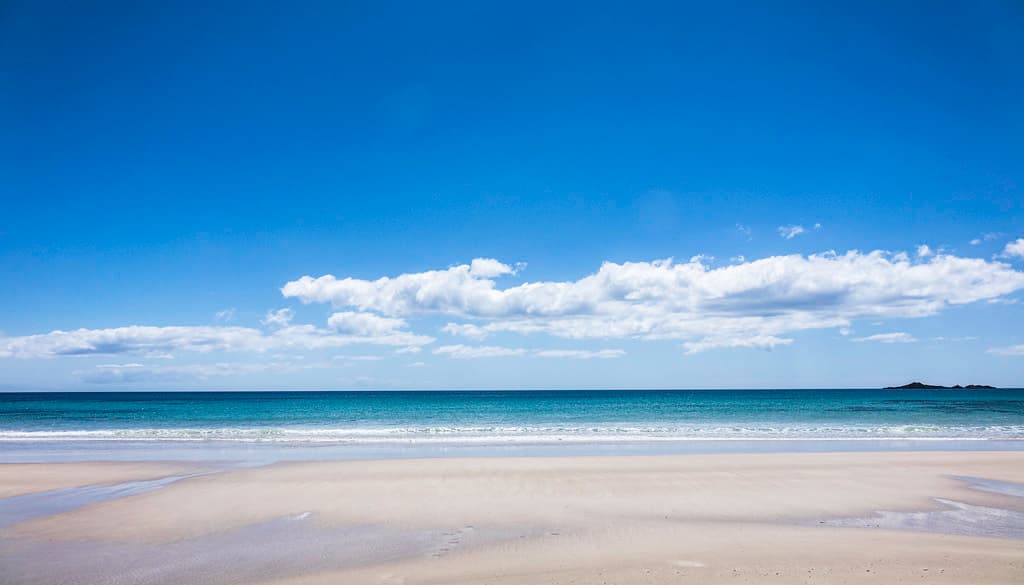
The drive to Tarkine Beach winds through buttongrass plains and eucalyptus stands before the Southern Ocean appears, steel-gray or bottle-green depending on the light. You park in gravel near the dunes, and suddenly you're walking across sand the color of wet slate, littered with bleached logs and bull kelp thick as ship rope. The beach stretches for kilometers in both directions, backed by scrub that marks the edge of one of the world's last great temperate rainforests. Wind is your constant companion here—it carries salt spray, the cries of Pacific gulls, and the thunderous percussion of surf. On calmer days you'll notice the details: tiger shells half-buried in the wrack line, foam patterns sketched across tidal pools, the way afternoon sun turns the sand amber. Bring your dog off-leash; this is their kind of beach, all space and scent and freedom. You won't find cafés or rental umbrellas. What you will find is the rare gift of solitude on a coast that feels untamed rather than undiscovered. The Tarkine region remains Tasmania's wild secret, and this beach is its front door—open, unadorned, and utterly itself.
Places, rentals, tours and events within walking and driving distance of Tarkine Beach.
Photos
Tarkine Beach is not patrolled and swimming conditions can be challenging. The beach is exposed to the Southern Ocean, which means strong currents, unpredictable waves, and cold water temperatures year-round. The remote location also means emergency services are not immediately nearby. Most visitors enjoy the beach for walking, beachcombing, and scenic photography rather than swimming. If you do enter the water, stay close to shore, never swim alone, and be extremely cautious of rips and undertows common on Tasmania's west coast beaches.
Tarkine Beach can be visited year-round, with each season offering different experiences. Summer (December-February) provides the mildest weather and longer daylight hours, ideal for beach walks and photography. However, Tasmania's northwest coast is known for changeable weather regardless of season. Spring and autumn offer fewer visitors and dramatic coastal scenery, while winter brings powerful ocean swells and moody skies that attract photographers. Always check weather forecasts before visiting, as conditions can change rapidly, and be prepared for wind and rain any time of year.
Tarkine Beach is located approximately 15 kilometres west of Smithton in northwest Tasmania. Access requires a vehicle, as there is no public transport to the beach. From Smithton, follow signs toward the Tarkine region along partly unsealed roads that can be rough but are generally suitable for 2WD vehicles in dry conditions. There is informal parking available near the beach access points. The roads can become challenging after rain, and you should check local conditions before travelling. Allow extra time as the final approach is on gravel roads.
Tarkine Beach is a remote, undeveloped beach with no facilities, so visitors must be completely self-sufficient. There are no toilets, shelter, drinking water, or food services at the beach itself. The nearest town for supplies, cafes, and fuel is Smithton, approximately 15 kilometres away. Accommodation options are limited to Smithton or nearby towns like Stanley, which offer hotels, motels, and holiday rentals. If you plan to spend time at the beach, bring all necessary supplies including water, food, sun protection, and warm clothing, as weather conditions can change quickly.
Yes, Tarkine Beach is dog-friendly, making it a popular destination for travellers with pets. The beach's remote location and long stretches of sand provide excellent opportunities for dogs to run and explore off-leash. However, owners should be mindful that the beach is unfenced and backs onto wild coastal vegetation that is part of the greater Tarkine wilderness. Keep dogs under control, especially around wildlife, and always clean up after your pet. The cold ocean and strong currents mean caution is needed if your dog enters the water.