Counting the waves…
Counting the waves…

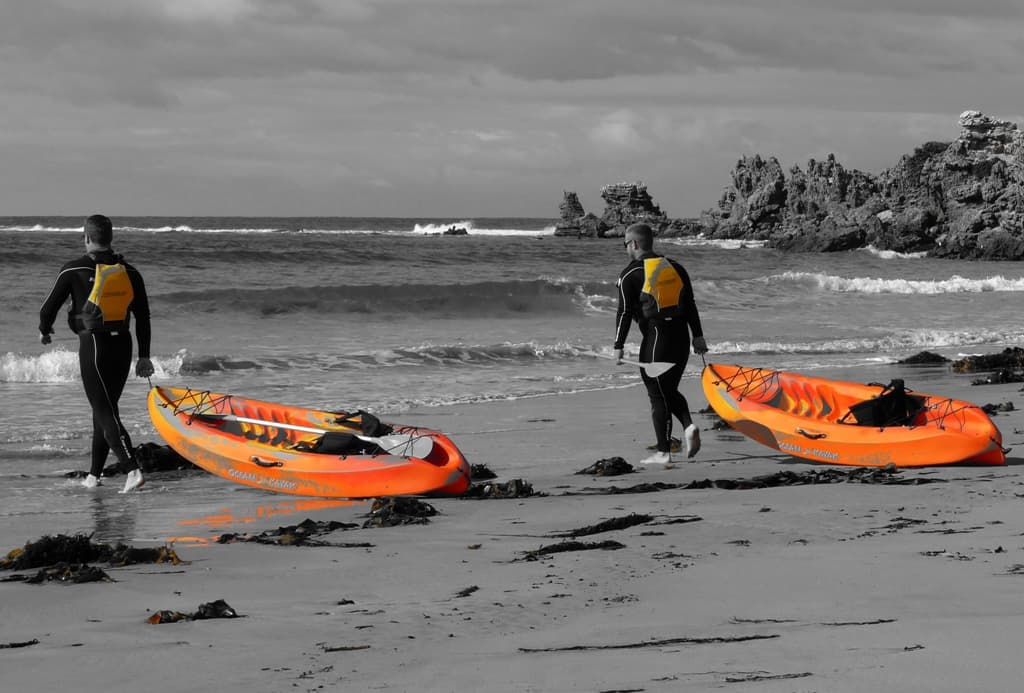
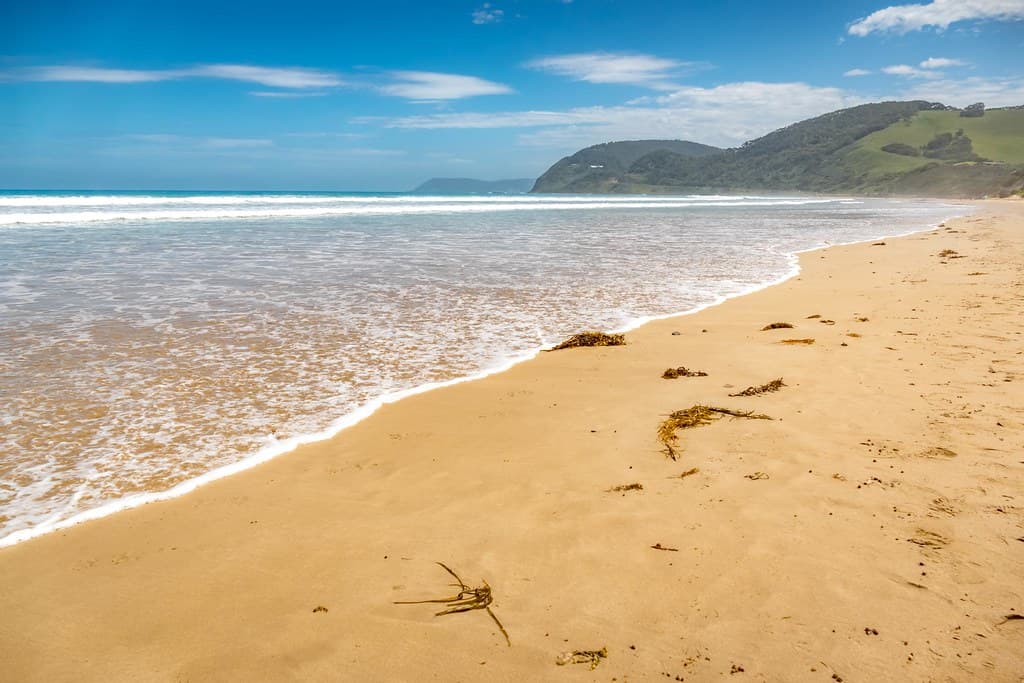
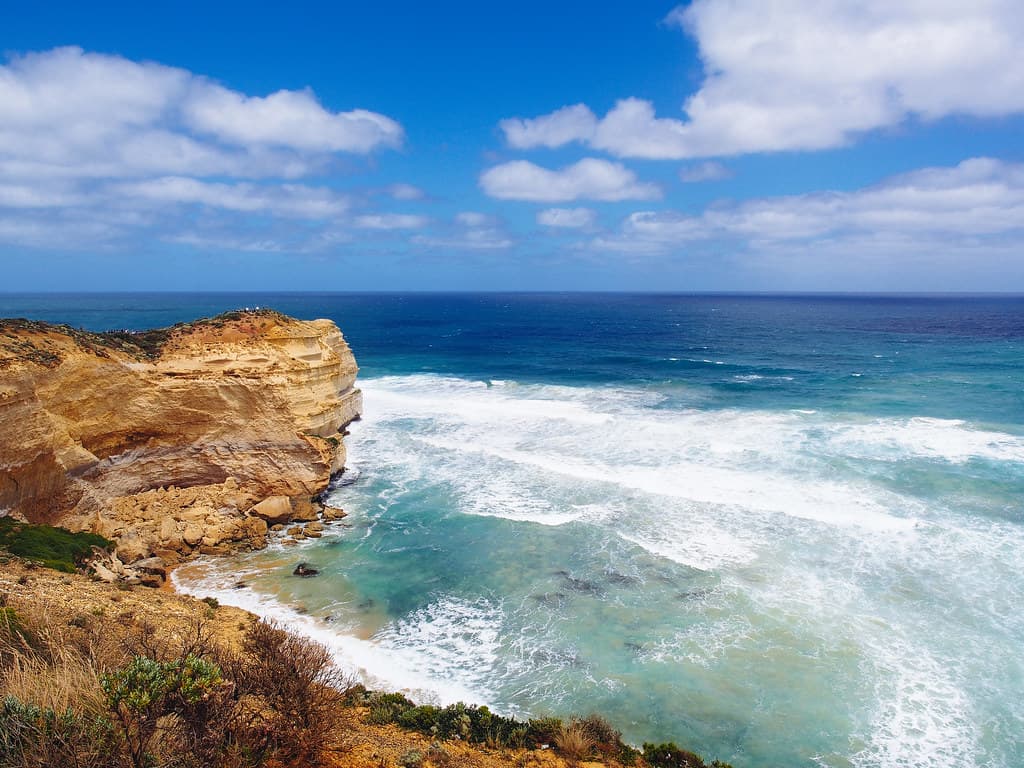
The Great Ocean Road draws millions each year, yet most barrel past Anglesea Beach without a second glance—their GPS fixed on the Twelve Apostles, their cameras primed for postcard arches. You'll notice the oversight the moment you park above the break: a long crescent of tawny sand bracketed by sandstone bluffs carpeted in banksia and moonah, waves rolling in with metronomic consistency, and perhaps three other people scattered across a quarter-mile of shore. The surf here works on almost any swell. Northerlies bring glassy mornings; southerlies stack the sets with punch. You'll paddle out past the rip near the river mouth, where blackfish dart in the shallows and the occasional fur seal surfaces with a look of mild curiosity. Between waves, you'll watch white-bellied sea eagles patrol the headland thermals. The sand beneath your feet slopes gently, the kind of forgiving grade that makes for long, mellow rides—or forgiving wipeouts, depending on your skill and the tide. Back onshore, rivulets from the Anglesea River carve temporary lagoons across the beach, warm enough for a rinse and shallow enough that the afternoon sun turns them bathtub-温. The clifftops behind you hum with cicadas. The air smells of dried kelp and sunscreen. And when you've had your fill, the town's a five-minute walk: bakeries, fish-and-chip shops, and a pub where the bartender knows the next day's swell report by heart.
Places, rentals, tours and events within walking and driving distance of Anglesea Beach.
Photos
Anglesea Beach is patrolled by surf lifesavers during summer months (typically December to Easter), making it safer for swimming between the flags. The beach can experience strong currents, rips, and moderate to large surf, so it's essential to swim only in designated areas. Check conditions with lifeguards before entering the water. The beach is popular with surfers, so be aware of board riders. Outside patrol hours or in winter, exercise extreme caution and never swim alone.
Anglesea Beach is accessible year-round, with each season offering different experiences. Summer (December-February) is ideal for swimming and family activities, with warmer weather and lifeguard patrols. Autumn and spring provide pleasant temperatures and fewer crowds, perfect for scenic walks. Winter attracts surfers seeking bigger swells and offers dramatic coastal scenery. Summer can be busy, especially during school holidays. For surfing, autumn through spring generally provides the most consistent waves with offshore winds common in mornings.
Anglesea Beach is located approximately 110km southwest of Melbourne via the Great Ocean Road (B100). From Melbourne, take the M1 Princes Freeway to Geelong, then follow signs to Anglesea. The beach has several car parks along the foreshore, including at the Surf Life Saving Club and along Great Ocean Road. Parking is generally free but can fill quickly during summer weekends and holidays. The beach is within walking distance of Anglesea town centre, with additional street parking available nearby.
Anglesea town centre, just a short walk from the beach, offers various dining options including cafes, fish and chip shops, pizzerias, and pubs. The local surf club often has a bistro open to visitors. Accommodation ranges from caravan parks and campgrounds to holiday houses, motels, and boutique stays. Several cafes along the Great Ocean Road provide ocean views. For groceries, there's a supermarket in town. During peak season, booking accommodation well in advance is highly recommended as the area is popular with holidaymakers.
Yes, Anglesea is famous for its resident kangaroo population, particularly at the nearby Anglesea Golf Club, just minutes from the beach. Eastern grey kangaroos frequently graze on the golf course and surrounding areas, especially during early morning and late afternoon. While kangaroos occasionally venture near coastal areas, your best chance of seeing them is at the golf club, which welcomes visitors. This unique wildlife experience makes Anglesea distinctive among Great Ocean Road destinations, combining beach activities with wildlife encounters in a natural setting.