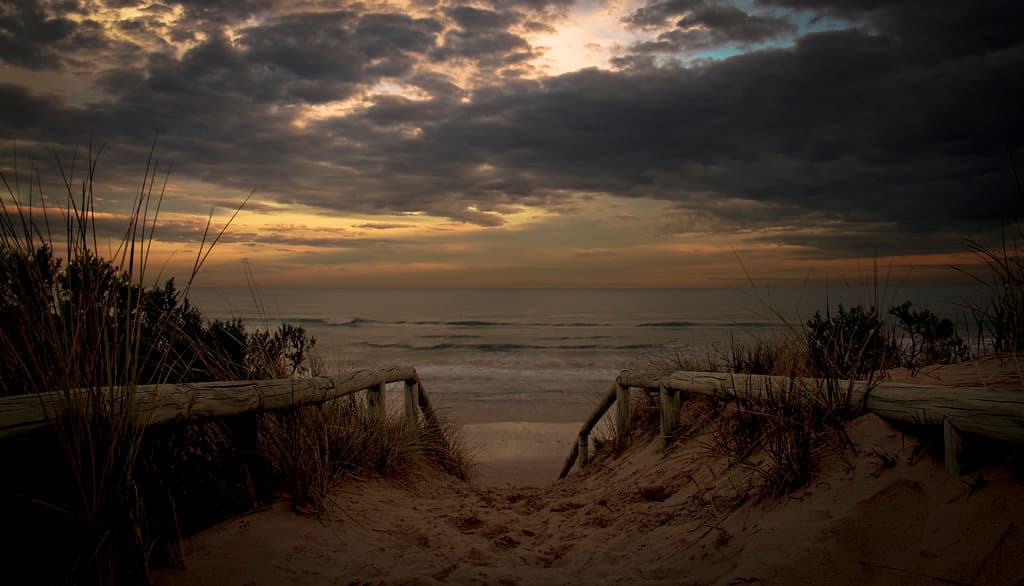
Counting the waves…
Counting the waves…

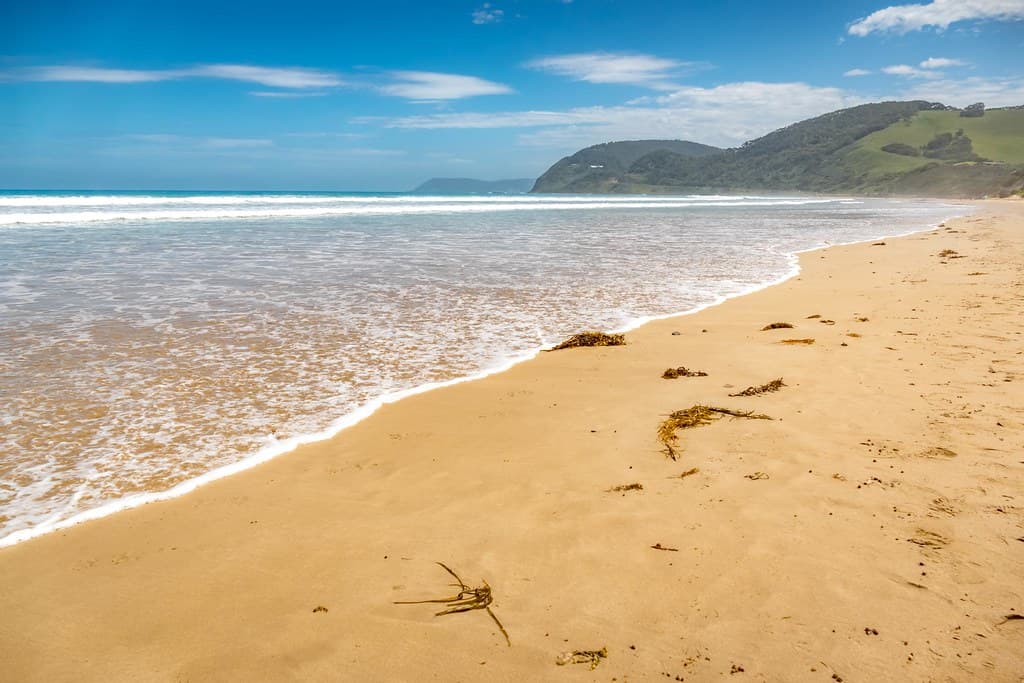
Pull off the Great Ocean Road and you're steps from a half-moon bay where families stake out spots beneath striped umbrellas and surfers wax boards on the grass strip separating sand from the Lorne Surf Life Saving Club. The water here is cooler than you expect—Southern Ocean currents don't coddle—but on a January afternoon, kids shriek as shore-break waves tumble them onto the packed sand while their parents wade knee-deep, watching the patrol flags snap in the onshore breeze. Mountboy Creek trickles across the northern end, carving a shallow channel that toddlers dam with pebbles and driftwood. Behind you, the Otway Ranges rise in dense green folds, their gullies hiding koalas and waterfalls accessible by short forest trails. By late afternoon, the beach empties enough to claim a patch near the pier, where anglers cast lines and gulls wheel overhead, hopeful. When the sun drops behind the headland, the main street hums—pub balconies fill, gelato shops stay open, and barefoot families wander back to holiday rentals smelling of salt and sunscreen. It's the kind of place that doesn't demand Instagram performance; it simply works, which is why Victorians return every summer, every long weekend, and sometimes just because.
Places, rentals, tours and events within walking and driving distance of Lorne Beach.
Photos
Lorne Beach is patrolled by surf lifesavers during summer months (typically December to April), making it relatively safe for swimming between the flags. The beach can experience moderate to strong surf conditions, so always swim in the patrolled areas and check warning signs before entering the water. Rip currents can occur, particularly during rougher conditions. Families with young children should stay in shallow areas and maintain supervision. If lifeguards aren't on duty, exercise extra caution and assess conditions carefully before swimming.
Lorne Beach is accessible year-round, with each season offering different experiences. Summer (December-February) is most popular for swimming and sunbathing, with warm temperatures and patrolled beaches. Autumn (March-May) brings milder weather and fewer crowds, ideal for beach walks. Winter (June-August) offers dramatic scenery and storm watching, though swimming isn't recommended. Spring (September-November) features pleasant temperatures and wildflower displays in nearby areas. For the best overall beach experience with amenities and lifeguards, visit during the summer holiday period.
Lorne Beach is located along the Great Ocean Road, approximately 140 kilometres southwest of Melbourne. The drive takes about two hours via the M1 and continues along the scenic coastal route. Street parking is available on Mountjoy Parade directly adjacent to the beach, though it fills quickly during peak summer periods and weekends. Additional parking can be found on surrounding streets in the town centre. Public toilets and shower facilities are located near the main beach access points. No public transport runs directly to Lorne, making a car essential.
Lorne offers diverse dining options within walking distance of the beach, including cafes, seafood restaurants, fish and chip shops, and fine dining establishments along Mountjoy Parade and the main street. Accommodation ranges from caravan parks and budget motels to luxury beachfront apartments and boutique hotels. The town has supermarkets, bakeries, and takeaway options for self-catering. During peak summer season, booking accommodation well in advance is essential. Many beachfront properties offer stunning ocean views, while options set back from the beach tend to be more affordable.
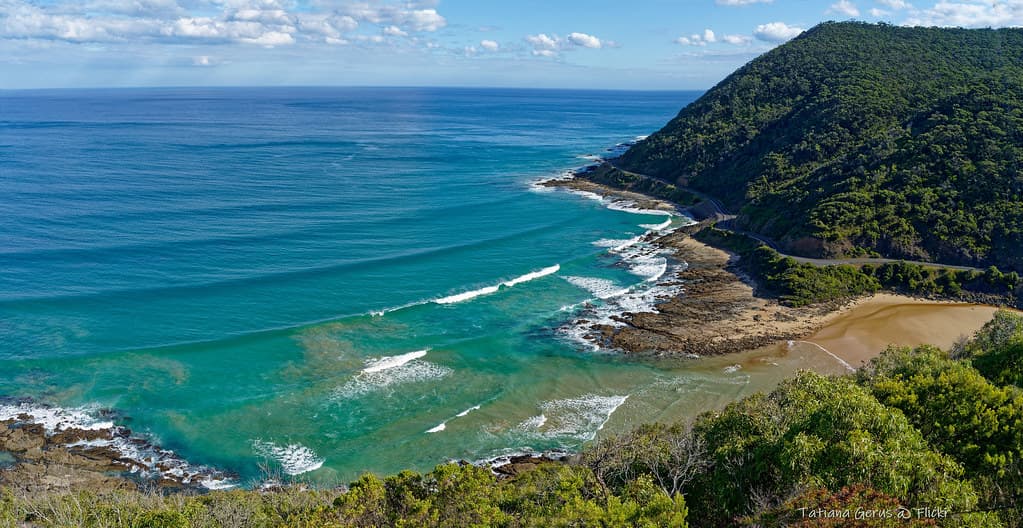
Lorne Beach stands out for its combination of excellent swimming conditions, comprehensive facilities, and vibrant town atmosphere. Unlike more remote Great Ocean Road beaches, Lorne offers a complete resort-town experience with shops, restaurants, and entertainment alongside its beautiful beach. The beach is sheltered by surrounding headlands, often providing calmer conditions than exposed coastal areas. The Erskine River meets the ocean at the eastern end, creating a unique estuary area. Lorne also hosts popular summer events and has a strong artistic community, adding cultural appeal beyond typical beach destinations.