Counting the waves…
Counting the waves…

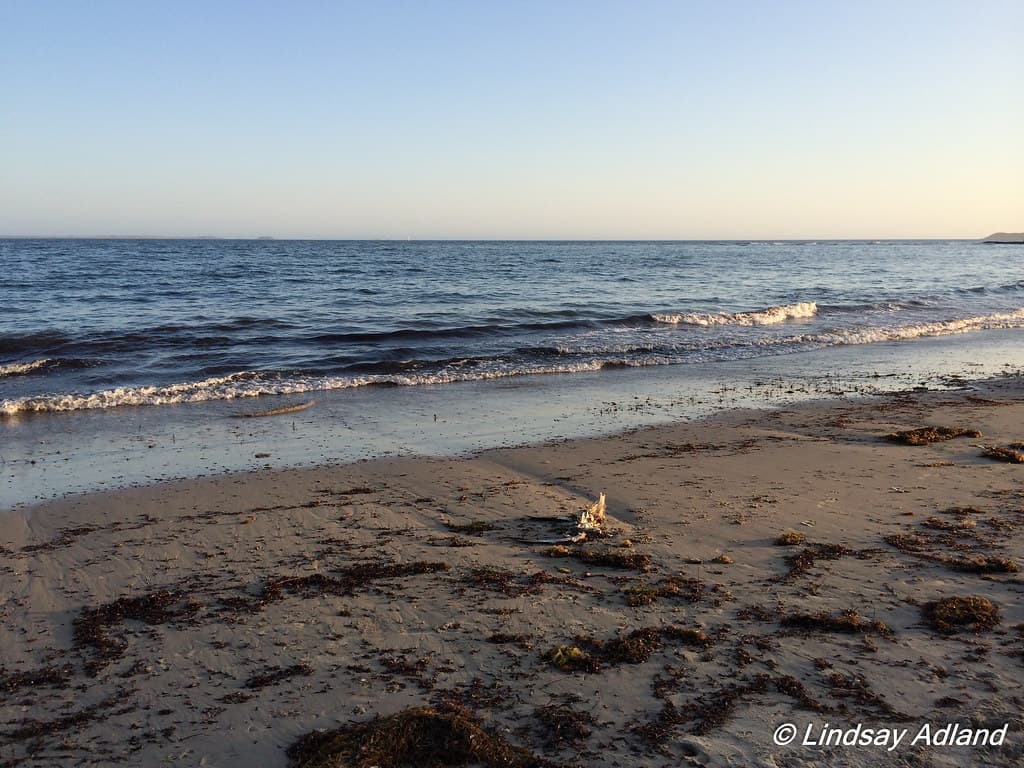
The access track spills you onto dark sand framed by ti-tree and banksias that lean inland, shaped by decades of southwesterlies. On your left, the point juts into the Bass Strait; on your right, the beach curves toward a rockshelf where cormorants dry their wings between sets. The water runs cold year-round—zinc on noses, booties in winter—but the consistency of the swell keeps regulars coming back through every season. Mid-week mornings, you might share the lineup with four or five shortboarders who know exactly where the takeoff zone shifts with the tide. By noon, the nor'easterlies can chop things up, but early sessions offer glassy faces and enough push to link two, sometimes three turns before the inside section closes out. Between waves, you'll scan the horizon for the dorsal fins of dolphins that cruise through on their way to Summerland Peninsula. The beach itself stays quiet. No kiosk, no flags, no hire shacks—just a gravel lot, a wooden staircase down the dune, and the understanding that you've packed everything you need. After your session, rinse off with a jug of freshwater from the boot, pull on a jumper, and watch the light go golden over the farmland behind you. The island's famous for its little penguins, but Flynns belongs to the surfers and the shearwaters.
Places, rentals, tours and events within walking and driving distance of Flynns Beach.
Photos
Flynns Beach is popular with surfers due to consistent waves, which means swimming conditions can be challenging for inexperienced swimmers. The beach is unpatrolled, so there are no lifeguards on duty. Strong currents and surf can be present, particularly during windy conditions. If you're not a confident swimmer or surfer, it's best to stay in shallow water and avoid swimming alone. Always check local weather and surf conditions before entering the water, and supervise children closely at all times.
Flynns Beach can be enjoyed year-round, though each season offers different experiences. Summer (December-February) brings warmer weather ideal for beach activities, but can be busier. Autumn and spring offer mild temperatures and fewer crowds, perfect for scenic walks and surfing. Winter delivers consistent swells that attract dedicated surfers, though water temperatures are cooler. Phillip Island generally has a temperate climate, so pack layers regardless of season. Weekdays tend to be quieter than weekends throughout the year.
Flynns Beach is located on Phillip Island's southern coast, accessible via Flynns Beach Road off Back Beach Road in Cowes. The beach is approximately 2.5 hours' drive from Melbourne. Limited parking is available at the beach access point, with space for around 10-15 vehicles in an unsealed car park area. During peak times and weekends, parking can fill quickly. The access involves a short walk down to the beach. Public transport options to Phillip Island are limited, so driving is the most practical option.
Flynns Beach has minimal facilities on-site, with no cafes, shops, or public toilets directly at the beach. The nearby town of Cowes, approximately 5-7 minutes' drive away, offers a full range of amenities including cafes, restaurants, supermarkets, and accommodation options from hotels to holiday rentals. Visitors should come prepared with food, water, and sun protection. For overnight stays, Cowes provides the closest accommodation base, with beachfront properties and various budget-friendly options available throughout the town.
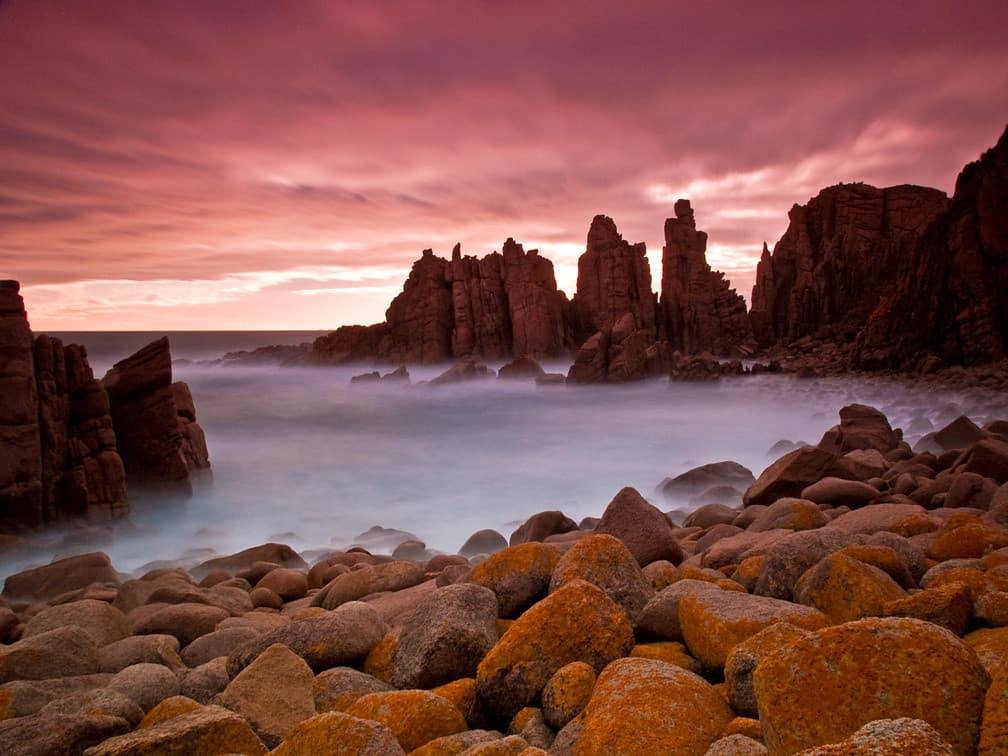
Flynns Beach remains relatively unknown compared to Phillip Island's more famous surf beaches like Woolamai. Its tucked-away location off the main coastal route means it attracts fewer crowds, even during peak summer months. The beach offers consistent surf breaks that appeal to experienced surfers seeking less crowded waves. Its scenic rugged coastline and rocky outcrops add to its appeal as a hidden gem. The limited facilities and parking also naturally keep visitor numbers lower, preserving its quiet, undiscovered character for those willing to venture off the beaten path.