Counting the waves…
Counting the waves…

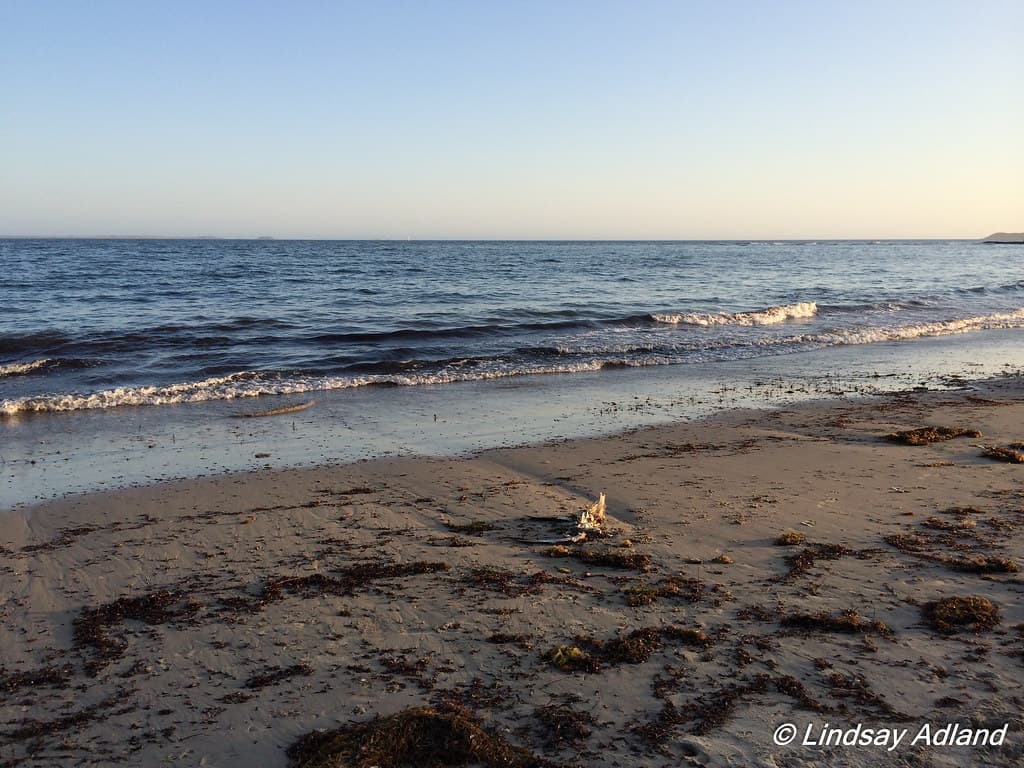
Swan Lake Beach sits where freshwater seepage meets the brackish shallows of Westernport Bay, creating a brackish nursery that attracts the namesake black swans year-round. You'll wade through ankle-deep water for twenty meters before the sandy bottom drops away, making this one of the safest swimming spots for toddlers on Phillip Island. The shoreline smells faintly of salt and eucalyptus, and the casuarinas whisper in the constant breeze that somehow never turns into the punishing gusts that slam the island's ocean-facing beaches. The sand here is coarse and peppered with fragments of blue mussel shell, and at low tide you'll find shallow pools where tiny fish dart between clumps of Neptune's necklace seaweed. Families spread picnic blankets on the grassy reserve behind the beach, where wooden benches face the water and the distant smokestacks of the mainland shimmer across the strait. The swans—sometimes a dozen at once—paddle close enough that you can see the crimson bands on their black beaks. Come in the late afternoon when the westerly light turns the water bronze and the tide is halfway in. You won't find surf shops or gelato vendors here, just a gravel car park, a single toilet block, and the kind of unhurried quiet that makes children speak in whispers. The locals know it as the beach where nothing happens, and they mean that as the highest compliment.
Places, rentals, tours and events within walking and driving distance of Swan Lake Beach.
Photos
Swan Lake Beach is generally calm and sheltered, making it suitable for swimming, particularly for families with young children. The beach faces Westernport Bay rather than the open ocean, so waves are typically gentle. However, always check local conditions before entering the water, as currents can vary. There are no lifeguard patrols at this beach, so swim at your own risk and supervise children closely. The shallow waters and sandy bottom make it a popular choice for paddling and safe water play.
Swan Lake Beach can be enjoyed year-round, though summer (December to February) offers the warmest weather for swimming and beach activities. Spring and autumn provide pleasant temperatures with fewer crowds, ideal for peaceful walks and birdwatching. Winter visits can be beautiful for scenic strolls, though the water will be cold. Weekdays are generally quieter than weekends. Early morning and late afternoon offer the best light for photography and wildlife spotting, as the beach is known for its natural beauty and serene atmosphere.
Swan Lake Beach is located in Cowes on Phillip Island, approximately 140 kilometres southeast of Melbourne. From the Phillip Island Bridge, head towards Cowes and follow signs to the beach. Limited street parking is available along the foreshore, and it's generally free. The beach is easily accessible on foot or by bicycle from Cowes town centre. If you're using public transport, V/Line operates bus services to Phillip Island from Melbourne, though having a car provides more flexibility for exploring the island.
Cowes town centre is within walking distance of Swan Lake Beach and offers numerous dining options, from casual cafes to restaurants serving fresh seafood and local produce. You'll find supermarkets, bakeries, and takeaway options for beach picnics. Accommodation ranges from beachfront apartments and holiday houses to motels and bed-and-breakfasts throughout Cowes. The beach itself has minimal facilities, so bring your own supplies. Many visitors combine a beach visit with exploring Cowes' shops and eateries along the main street and waterfront precinct.
True to its name, Swan Lake Beach is known for birdwatching opportunities, particularly black swans that frequent the area. The beach and surrounding wetlands attract various water birds including pelicans, cormorants, and wading species. The calm waters of Westernport Bay also provide habitat for marine life. Phillip Island is famous for its Little Penguin colony, though the main penguin viewing area is at the Penguin Parade on the island's southwestern tip. Visit during quieter times for the best chance to observe wildlife in their natural setting.