Counting the waves…
Counting the waves…
A refined fusion of water purity, environmental stability, and communal vibrancy for St Kilda Beach.
View MethodologyAnalyzed via live sensors and environmental data.
Wave height, wind, and atmospheric stability.
Live footfall and crowd balance metrics.
Community reviews and curated sentiment.
“You'll reach Port Phillip Bay in twenty minutes from the city center, where Norfolk pines shade a kilometer-long curve of white sand. The water stays shallow for fifty meters, the iconic pier juts toward the horizon,…”
Higher weekend density may affect water purity and crowd scores temporarily.
You step off the rattling number 96 tram and the sea air hits immediately—salt mixing with sunscreen and the yeasty smell of Acland Street bakeries two blocks back. St Kilda Beach unfolds along the esplanade in a wide crescent, its sand packed firm from a hundred thousand footfalls, palms and pines rustling overhead while rollerbladers carve the paved path and dogs chase tennis balls into the shallows. This is Melbourne at play, unapologetically urban, refreshingly unpretentious.
The historic timber pier stretches four hundred meters into Port Phillip Bay, weathered pylons hosting a breakwater colony of little penguins that waddle ashore at dusk. You'll wade out past families building sandcastles and paddleboarders wobbling toward the kiosk, the bay bottom staying visible and knee-deep until you're halfway to the pier's end. Kitesurfers arc across the water on southerly days, their bright canopies dotting the blue between anchored yachts.
 Credit: Unsplash
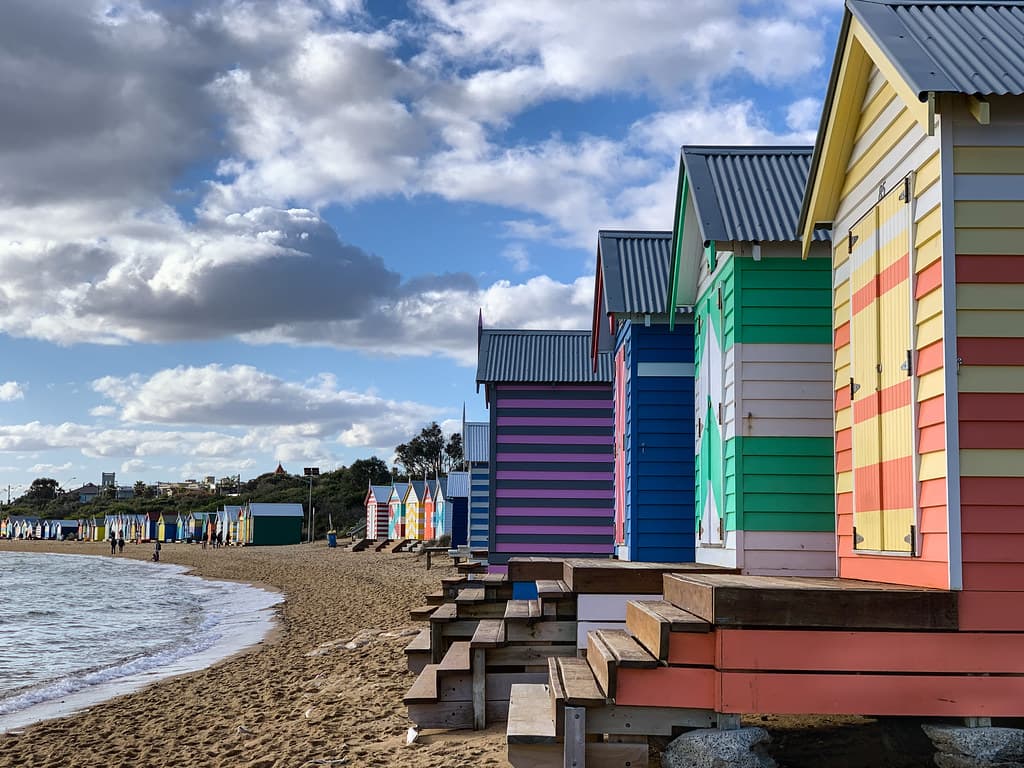
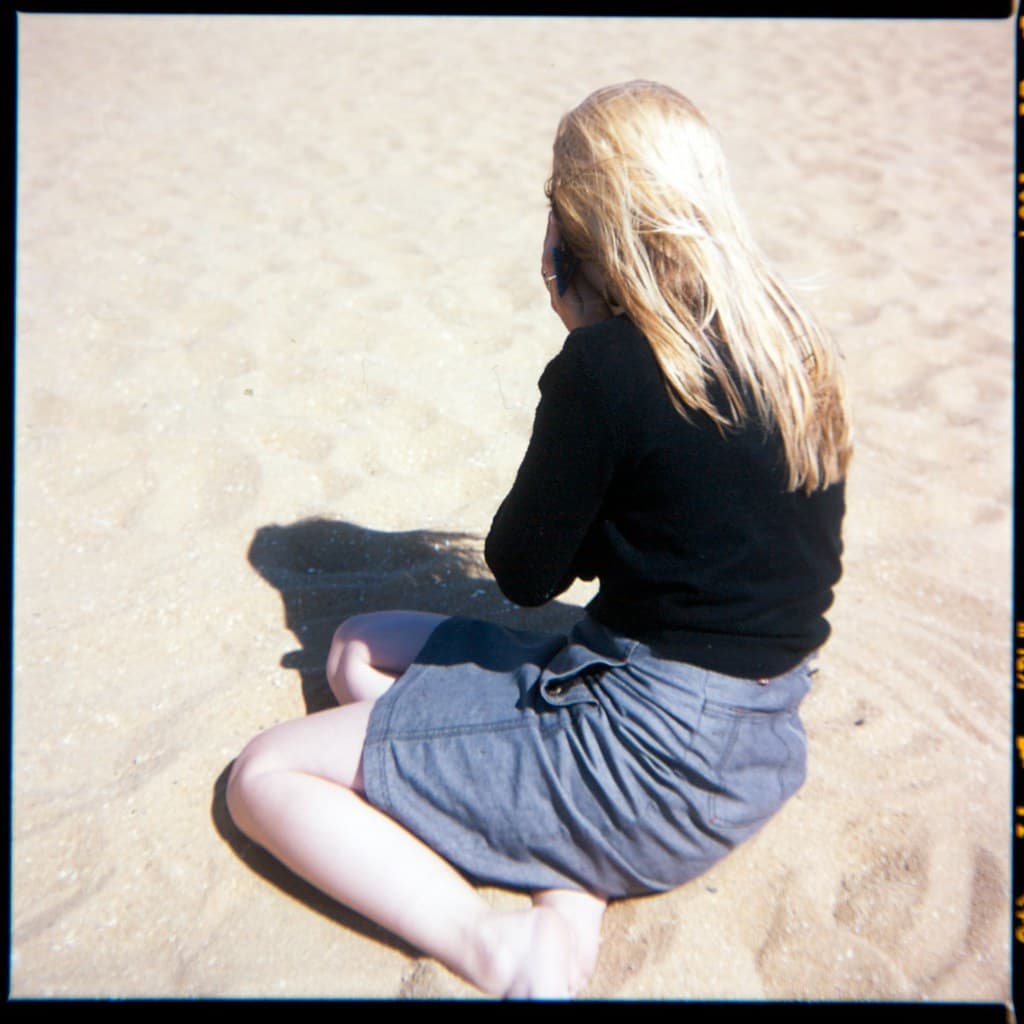
a woman sitting on a beach next to a row of colorful beach huts
 Credit: Unsplash
ocean during nighttime
Gentle slope, families love it
Dusk colony returns nightly
Classic flake and chips ritual
Where it is
St Kilda Beach
Melbourne, Victoria, Australia
-37.868100°, 144.978000°
Weather
Loading…
Swell
—
Temp
Warm · Restorative
UV Index
Moderate
Wind
—
Tidal State
Last known
Max Sunlight
—
Ideal Shade
—
Jan - Dec (Peak)
Mar - Nov (Off-season)
Historical data suggests peak visibility and stable sea temperatures occur during the prime visitation window.
Select a category to load nearby places.
Unlock restaurants, luxury stays and curated maritime experiences within 2km
St Kilda Beach is generally safe for swimming during calm conditions, with lifeguards patrolling during summer months (typically November to March) on weekends and public holidays. The beach is sheltered by a breakwater, creating calmer waters compared to other Melbourne beaches. However, always swim between the red and yellow flags, check daily conditions, and be aware that water quality can vary, especially after heavy rain. The beach is suitable for families, though parents should supervise children closely near the pier and breakwater areas.
St Kilda Beach is enjoyable year-round, but summer (December to February) offers the warmest weather for swimming, with temperatures around 20-26°C. Spring and autumn provide pleasant conditions for walking and dining with fewer crowds. The beach is famous for its spectacular sunsets, best viewed from the pier or foreshore. Weekends and public holidays see larger crowds. Visit on Sunday afternoons to experience the nearby St Kilda Esplanade Market (October to May). Winter visits can be brisk but offer a unique Melbourne coastal experience with dramatic skies.
St Kilda Beach is easily accessible by public transport from Melbourne's CBD, approximately 6 kilometres away. Take tram 96 from Bourke Street or tram 16 from Collins Street directly to the beachfront (about 25 minutes). Street parking is available along the Esplanade and surrounding streets, though it can be competitive on weekends and during events. Paid parking bays operate with time limits and meter fees. Several multi-level car parks are located nearby. Cycling is popular, with dedicated bike paths connecting to the city.
St Kilda Beach offers excellent amenities including public toilets, showers, changing facilities, and BBQ areas. The foreshore is lined with cafes, restaurants, and bars ranging from casual fish-and-chip shops to upscale dining. Acland Street (famous for cake shops) and Fitzroy Street offer diverse cuisines within walking distance. The St Kilda Sea Baths features a historic pool, spa, and cafe. While the beach itself is suitable for day visits, numerous hotels, hostels, and apartments are available in the surrounding St Kilda neighbourhood for those wanting to stay nearby.
Yes, St Kilda Beach is home to a unique colony of little penguins (fairy penguins) that nest along the St Kilda Breakwater. These are the smallest penguin species and can be spotted at dusk as they return from the sea. The best viewing time is around sunset near the breakwater rocks. Volunteers from Earthcare St Kilda often conduct guided penguin viewings, especially during breeding season (September to March). Access to the breakwater may be restricted to protect nesting areas. It's a rare opportunity to see wild penguins so close to a major city centre.
Photos