Counting the waves…
Counting the waves…

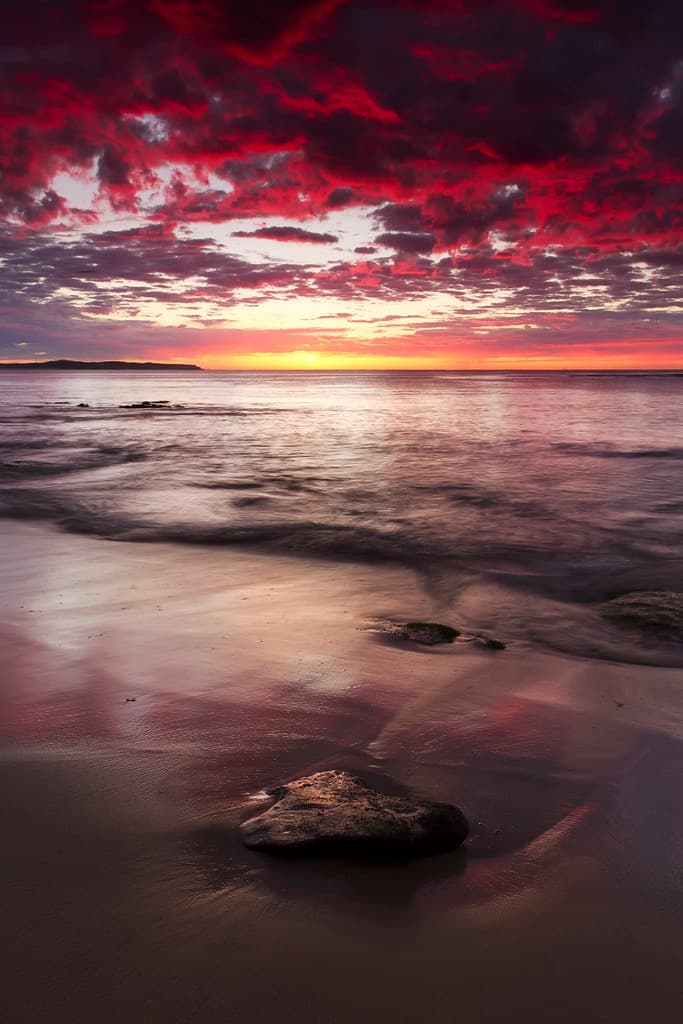
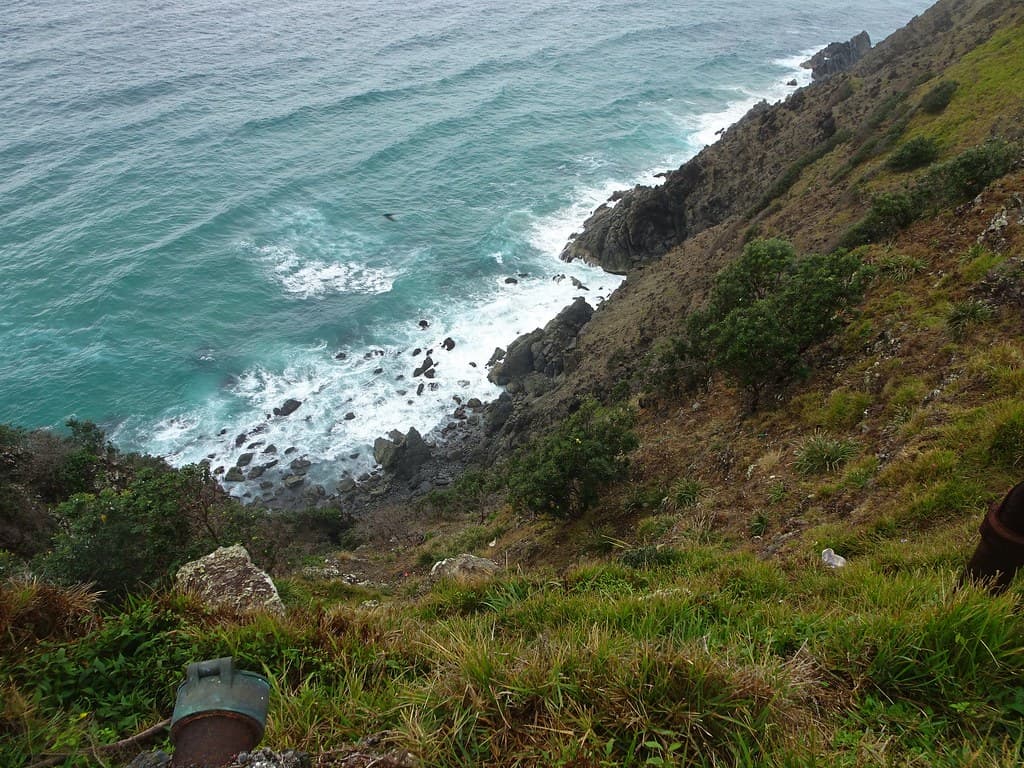
Red Rocks Beach earns its name from the iron-rich sandstone that brackets the cove—walls striped in ochre, rust, and burnt sienna that flare brightest in the hour before dusk. You'll find this pocket of sand tucked below the clifftop path at Phillip Island's southern rim, where the Bass Strait rolls in with a rhythmic hush and the air carries the salt-and-kelp perfume of wild coastline. Families settle onto the tawny sand with picnic blankets while children crouch over tide pools, poking at bright green Neptune's necklace seaweed and watching crabs scuttle beneath ledges. The beach remains blissfully uncrowded even in peak summer, partly because the approach requires a short but steep staircase and partly because most visitors race toward the island's famous penguin parade a few kilometers west. That solitude is its greatest asset. You can spread out here, letting the low rumble of surf drown out everything else, or explore the rock platforms at either end when the tide retreats to reveal miniature underwater gardens of sponges and starfish. Stay until twilight and you may spot the island's namesake little penguins—no taller than your shin—waddling ashore in twos and threes, their blue-gray feathers slick from a day's fishing. They nest in the dunes and vegetated slopes above, so tread quietly and keep torch beams low. The cliffs take on a deeper, wine-dark blush as the sun sinks, and the evening breeze off the strait carries a chill that reminds you this is Victoria's rugged edge, not a manicured resort.
Places, rentals, tours and events within walking and driving distance of Red Rocks Beach.
Photos
Red Rocks Beach is generally not recommended for swimming due to strong currents, exposed rock formations, and lack of lifeguard patrols. The beach is better suited for walking, rock pooling, and photography. If you do choose to enter the water, stay close to shore and never swim alone. Always check local conditions before visiting, especially during winter when seas are rougher. Families with children should supervise closely near the water's edge and explore the fascinating rock pools instead.
Red Rocks Beach can be enjoyed year-round, with each season offering different experiences. Summer (December-February) provides warmer weather ideal for rock pooling and beach walks, though it can be windy. Autumn and spring offer mild temperatures and fewer crowds, perfect for peaceful visits. Winter brings dramatic seas and excellent conditions for photography. Low tide is the best time to explore the distinctive red rock formations and tidal pools. Early morning or late afternoon visits reward you with softer light and potential wildlife sightings.
Red Rocks Beach is located on Phillip Island's south coast, accessible via Ventnor Road. From the Phillip Island main township of Cowes, drive southwest for approximately 15 minutes. Limited roadside parking is available near the beach access point on Ventnor Beach Road. The beach requires a short walk down from the road, including some uneven terrain and steps. During peak summer periods, parking can fill quickly, so arriving early is advisable. The beach is relatively secluded compared to other Phillip Island beaches.
Red Rocks Beach has no onsite facilities, so visitors should come prepared with water, snacks, and sun protection. The nearby township of Ventnor, just minutes away, offers a general store and café. For more dining and shopping options, Cowes is approximately 15 minutes' drive and has supermarkets, restaurants, and cafes. Accommodation ranges from holiday rentals in Ventnor to hotels and motels in Cowes. Public toilets are available in Ventnor. Pack out all rubbish as there are no bins at the beach itself.
Red Rocks Beach gets its name from the distinctive iron-rich red and orange sandstone rock formations that dominate the coastline. These striking geological features create a unique landscape quite different from typical sandy beaches, with weathered rocks forming interesting patterns, caves, and tidal pools. The reddish coloring is particularly vibrant when wet or during golden hour lighting, making it a popular spot for photographers. These ancient rock formations provide excellent opportunities for exploration at low tide, revealing fascinating geological history spanning millions of years.