Counting the waves…
Counting the waves…

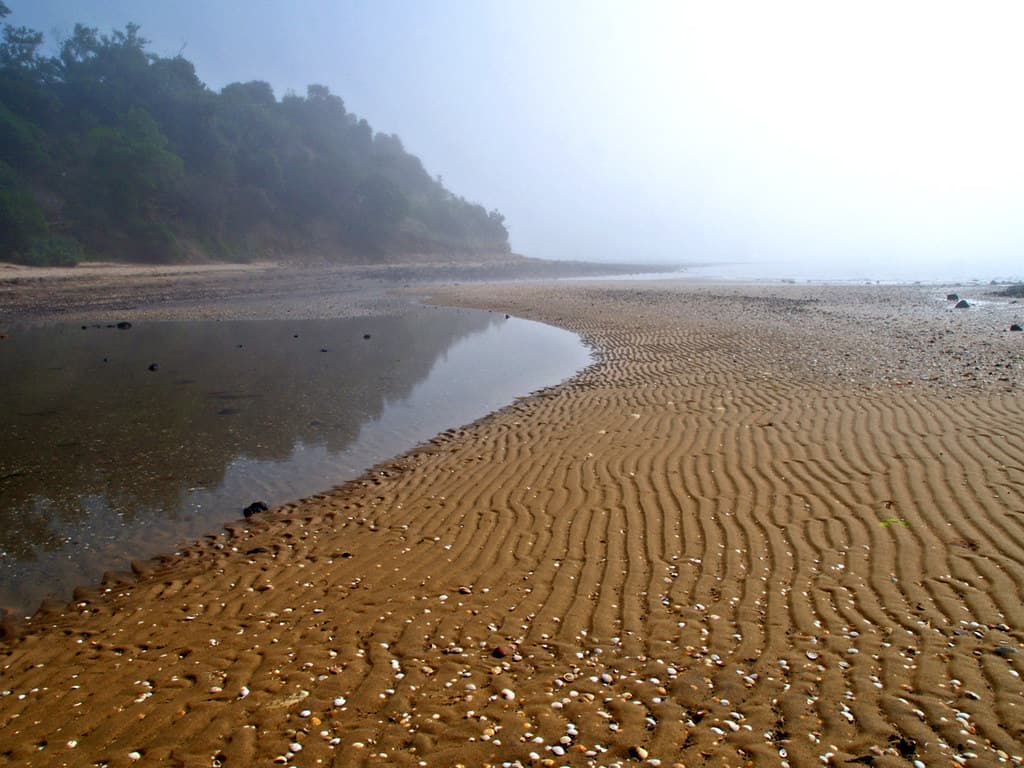
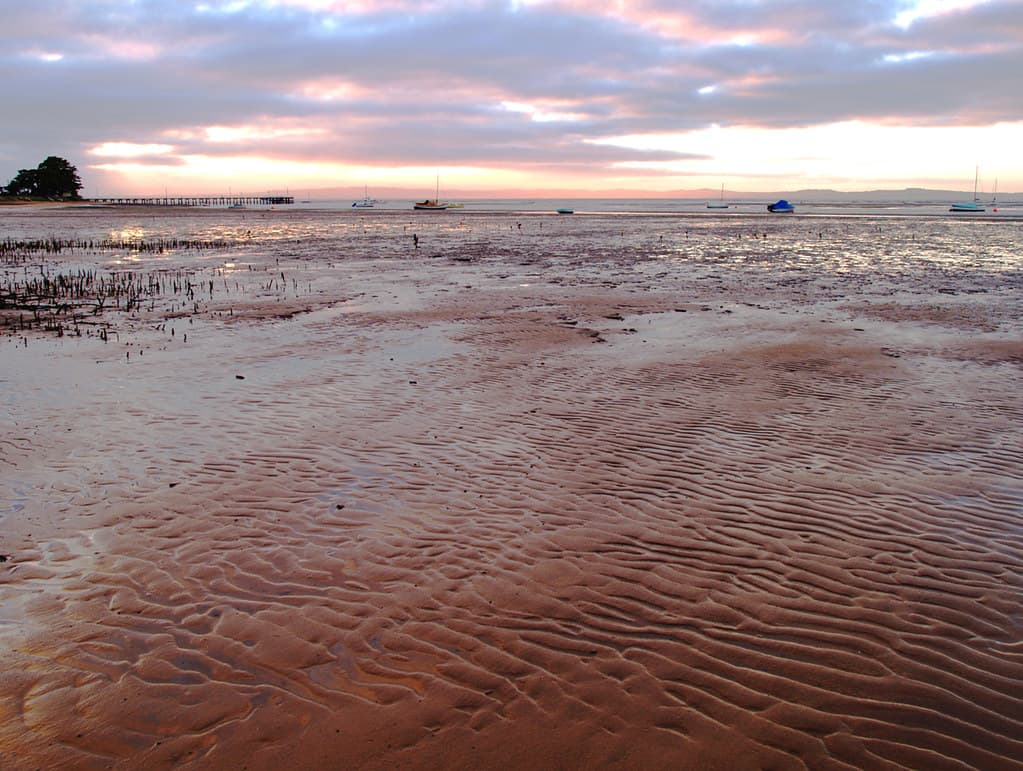
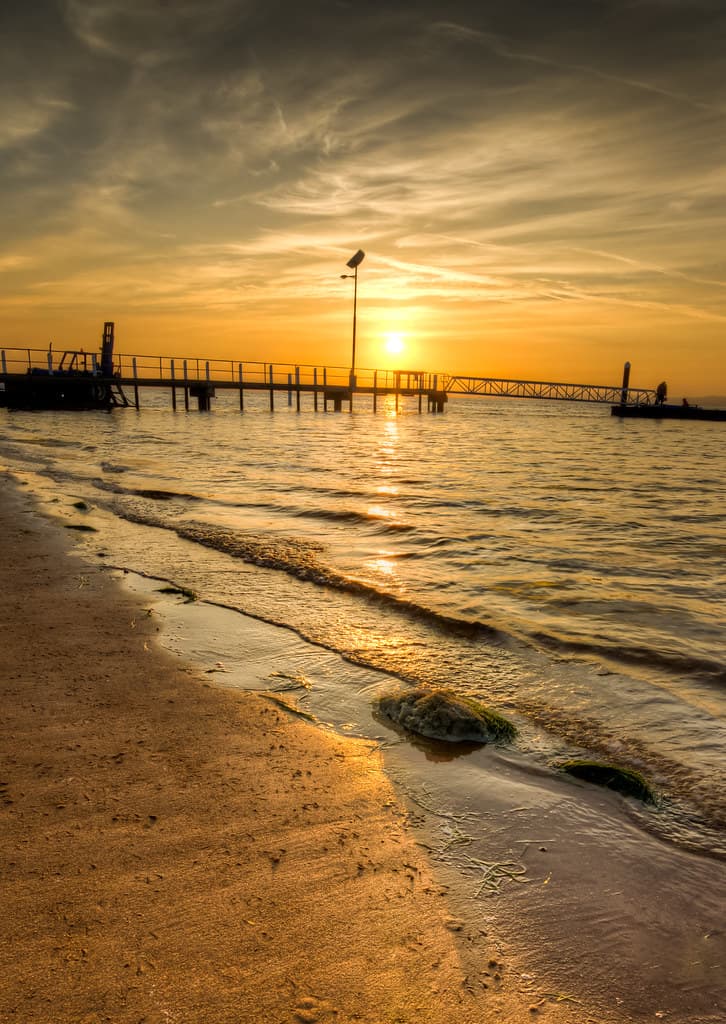
Rhyll sits on the inland side of Phillip Island, facing the mainland across Western Port Bay rather than the open Bass Strait swells that draw surfers to the southern coast. The beach curves gently along Conservation Hill, where paperbark and mangrove fringe the high-tide line and wading birds probe the exposed mudflats at low water. A weathered timber jetty extends into the shallows, its pylons wrapped in green weed and barnacle crust. The water here stays calm even when southerlies batter the ocean beaches—protected by the bay's configuration and the bulk of French Island across the channel. You'll wade out thirty meters and still be knee-deep, the sandy bottom giving way to patches of seagrass that shelter pipefish and juvenile flathead. Late afternoon brings the best light, when the sun sinks toward the You Yangs on the distant mainland and turns the water to hammered bronze. A gravel walking trail follows the shoreline through the Rhyll Inlet wetlands, where black swans drift among the reeds and interpretive signs explain the estuary's ecology. The carpark holds perhaps twenty vehicles, and on weekdays you may have the entire stretch to yourselves. Pack a thermos and a blanket; the dunes offer windbreaks, and the soundtrack is shore birds rather than beach radios.
Places, rentals, tours and events within walking and driving distance of Rhyll Beach.
Photos
Rhyll Beach is generally calm and sheltered, making it safer than Phillip Island's ocean-facing beaches. However, it's primarily suited for wading and relaxing rather than swimming due to shallow waters and seagrass beds. There are no lifeguard patrols, so swim at your own risk. The beach faces Western Port Bay, so conditions are typically gentler with minimal surf. Always check local conditions before entering the water, watch for jellyfish during warmer months, and be mindful of tides. It's more popular for beachcombing and peaceful walks than active swimming.
Rhyll Beach is accessible year-round, with each season offering different appeal. Summer (December-February) provides warm weather ideal for beach picnics and wading, though it can get busier. Autumn and spring offer milder temperatures and excellent conditions for romantic walks with fewer crowds. Winter remains surprisingly pleasant on calm days, perfect for peaceful strolls and wildlife spotting. Early morning and sunset visits are particularly magical for couples seeking privacy and stunning views across Western Port Bay. Weekdays are generally quieter than weekends regardless of season.
Rhyll Beach is located on the northern side of Phillip Island, approximately 90 minutes' drive from Melbourne via the South Gippsland Highway and Phillip Island Road. From Cowes (the main town), it's about a 15-minute drive east along Rhyll-Newhaven Road. There's limited roadside parking near Beach Road in the small township of Rhyll. The beach access is relatively low-key without major facilities. Having your own vehicle is essential as public transport options to this quiet area are very limited.
Rhyll is a small, quiet township with limited commercial facilities. The Rhyll Trout and Bush Tucker Farm is nearby, offering a unique dining and activity experience. For more dining and accommodation options, head to Cowes (15 minutes away), which has numerous restaurants, cafes, hotels, and vacation rentals. Newhaven, just across the bridge, also offers some choices. Many visitors stay in Cowes or other Phillip Island towns and visit Rhyll Beach as a peaceful day trip. Consider packing a picnic to enjoy the tranquil beachside setting.
Yes, Rhyll Beach and the surrounding area offer excellent wildlife viewing opportunities. The nearby Rhyll Inlet is part of an important wetland system frequented by various bird species, making it popular with birdwatchers. You might spot pelicans, swans, herons, and migratory wading birds depending on the season. The shallow waters and seagrass beds attract marine life, and the tranquil setting increases your chances of wildlife encounters compared to busier beaches. The peaceful atmosphere makes it ideal for patient nature observation, particularly during early morning hours.