Counting the wavesβ¦

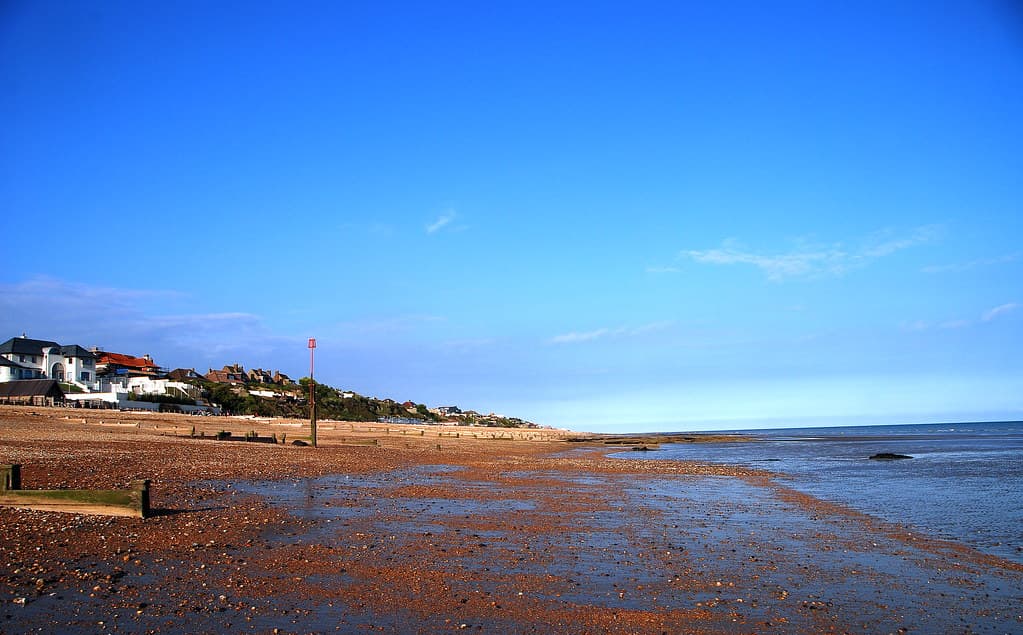
Smiths Beach unfurls along Phillip Island's southwestern edge, where the Bass Strait funnels swells straight from Antarctica. The beach curves in a gentle arc between two rocky headlands, exposing a kilometer of firm sand that shifts from tawny to charcoal depending on the angle of late-afternoon light. Tea-tree thickets frame the access path, releasing medicinal scent when you brush past; look down and you'll spot wallaby prints pressed into the track. The waves arrive with mechanical consistency. Southwesterly groundswells refract around Cape Woolamai, organizing into lined-up sets that surfers paddle for in clusters near the southern rocks. Between sessions, you'll watch short-tailed shearwaters skim the surface in autumn, returning from Alaska to nest in the sandy hummocks above the tideline. Lifeguards patrol the patrolled zone in summer, posting flags where the rip currents run weakest. Beyond the break, the coastline reveals its geology: hexagonal basalt columns, tide pools holding purple urchins, and blow holes that send plumes skyward when swells exceed two meters. The wind rarely stopsβit sculpts the marram grass and keeps the beach emptier than it deserves, especially midweek when the Melbourne weekend crowds retreat. Pack layers; the temperature drops five degrees the moment you cross the dune line from the car park.
Places, rentals, tours and events within walking and driving distance of Smiths Beach.
Photos
Smiths Beach is primarily known as a surf beach with strong currents and can be challenging for swimming. The beach is unpatrolled, so swimmers should exercise extreme caution. Conditions vary depending on swell and tide, with rips and waves common year-round. It's more suitable for experienced surfers than casual swimmers. Families with children should consider nearby patrolled beaches like Woolamai for safer swimming conditions. Always check local conditions before entering the water and never swim alone.
Smiths Beach can be enjoyed year-round, with each season offering different experiences. Summer (December-February) brings warmer weather ideal for beach activities, though it's busier. Autumn and spring offer mild temperatures, fewer crowds, and consistent surf conditions. Winter provides dramatic coastal scenery and excellent surf swells for experienced surfers, though it's colder and windier. The beach faces southwest, making it particularly scenic at sunset throughout the year. Wildlife viewing, including potential seal sightings, is possible in any season.
Smiths Beach is located on Phillip Island's south coast, approximately 2.5 hours from Melbourne. From the island's main town of Cowes, drive west along the Phillip Island Road, then follow signs to Smiths Beach Road. The beach has a dedicated car park at the end of Smiths Beach Road with free parking available. The car park can fill during peak summer periods and holidays. The beach is accessible via a short walk from the car park, with a boardwalk providing easier access to the sand.
Smiths Beach has limited facilities directly at the beach itself. The nearby town of Cowes, about 15 minutes' drive away, offers a wide range of restaurants, cafes, supermarkets, and accommodation options. Smiths Beach itself has holiday homes and rental properties available for booking. Visitors should bring their own food and drinks for beach days, as there are no cafes or shops at the immediate beach location. Basic toilet facilities are available at the car park area.
Smiths Beach offers excellent opportunities for wildlife viewing, particularly seals that can often be spotted on the offshore rocks or swimming in the surf. The beach is also part of Phillip Island's penguin habitat, though the famous Penguin Parade viewing area is located elsewhere on the island. Birdwatchers can spot various seabirds and shorebirds. The surrounding coastal vegetation provides habitat for native species. Remember to observe wildlife from a respectful distance and never approach or feed wild animals.