Counting the waves…
Counting the waves…

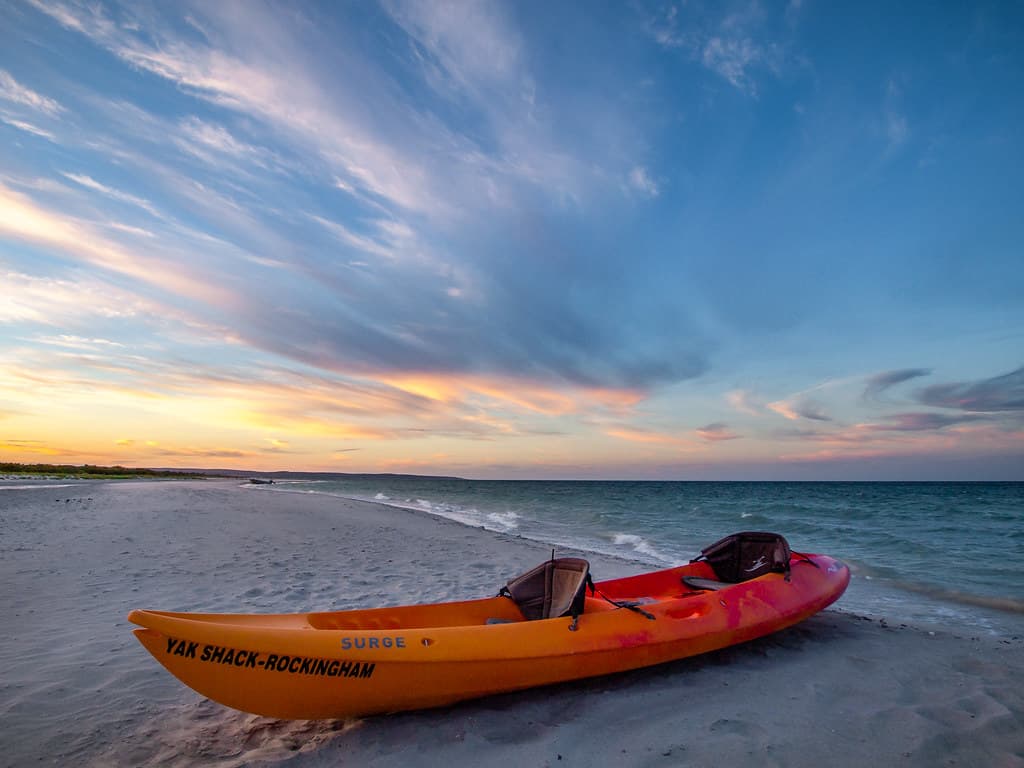
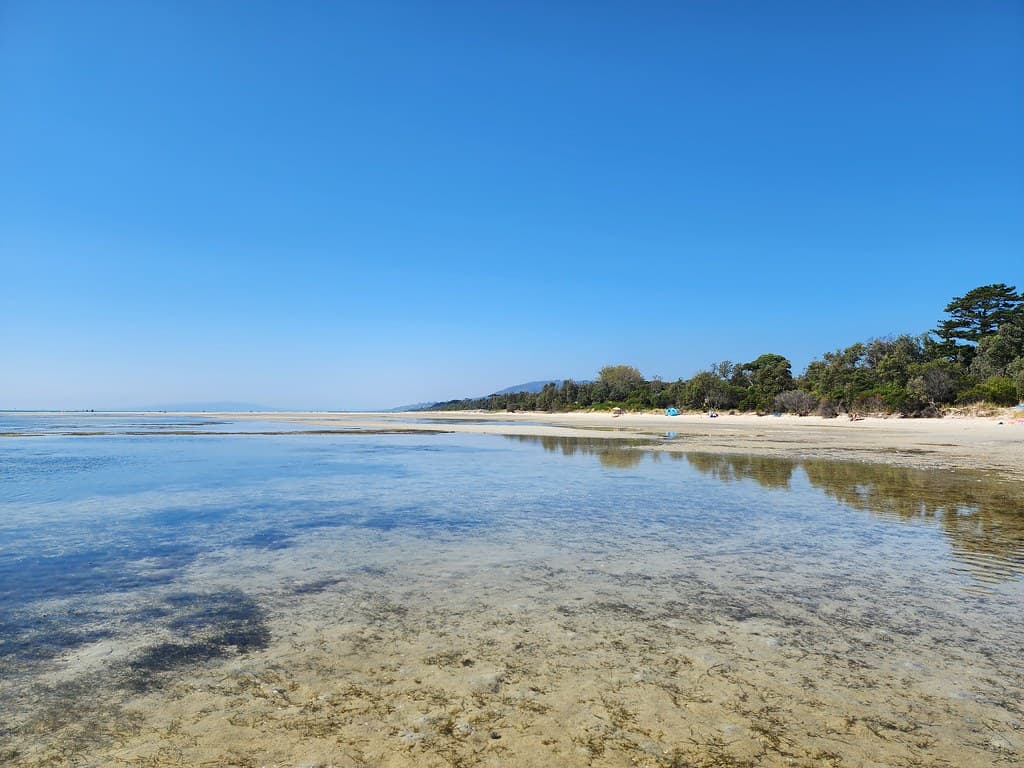
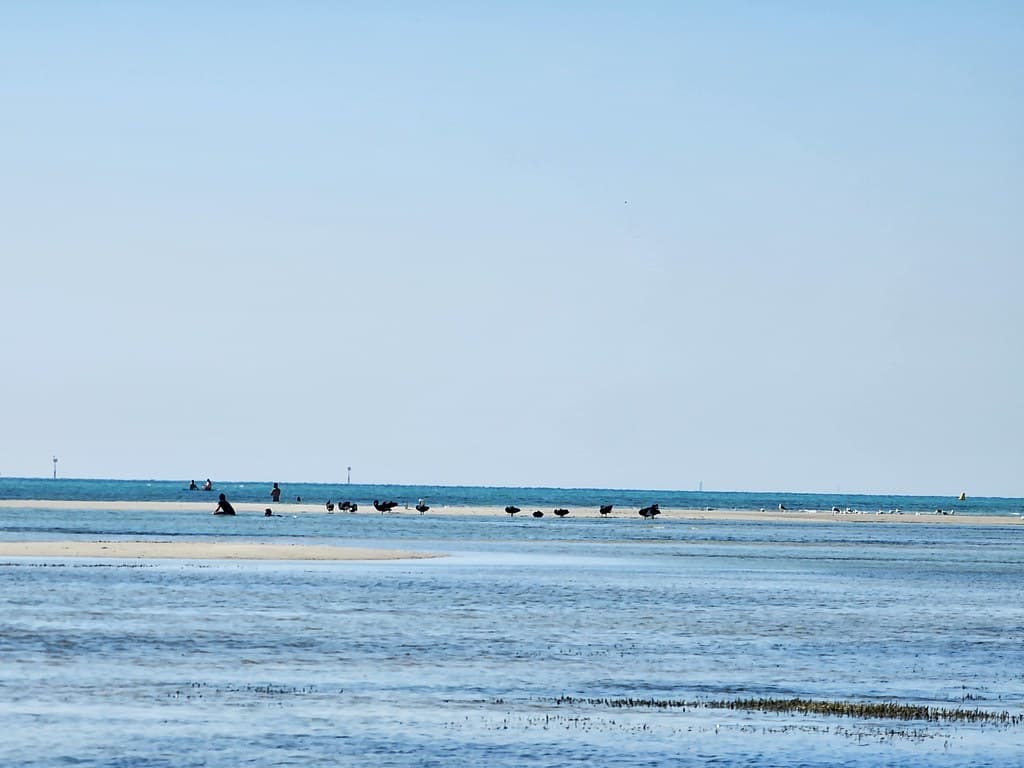
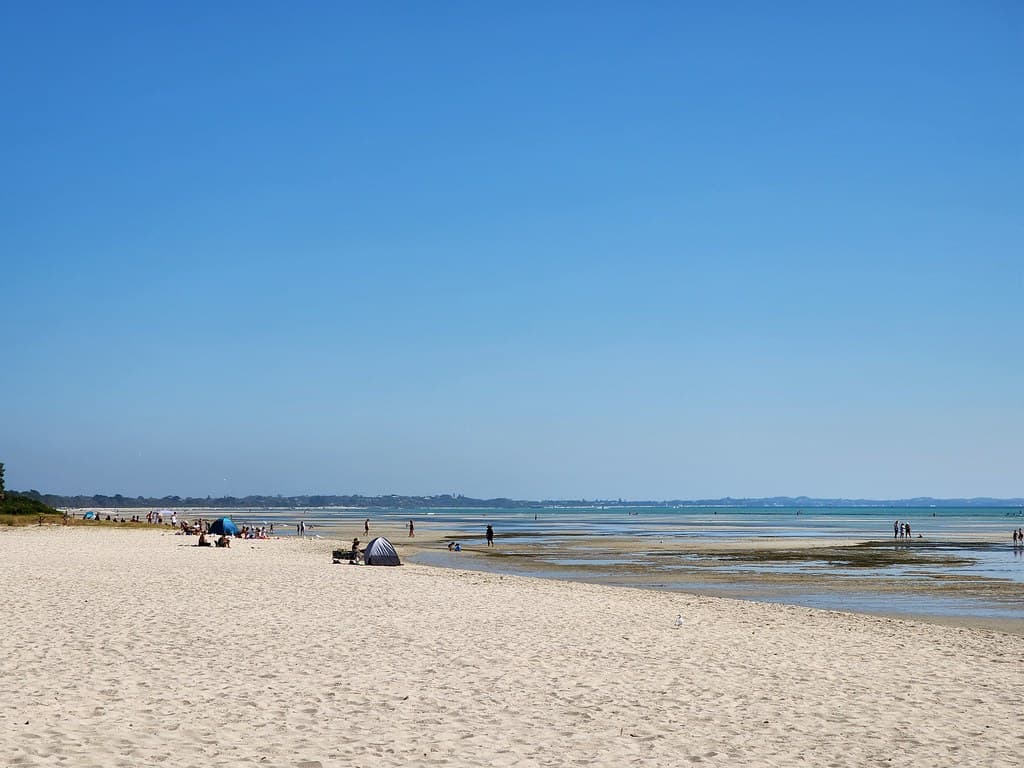
The car park sits fifteen metres from the tideline, separated only by a low dune threaded with spinifex and pigface succulents. You step onto sand the colour of ground quartz, fine enough to squeak underfoot, and walk straight into water that stays shallow for thirty metres out. Children wade waist-deep while parents spread picnic blankets beneath Norfolk pines that lean eastward, sculpted by decades of onshore wind. Mid-morning light catches the water at an angle that turns it electric blue against the white seafloor. Gulls circle above families tossing frisbees. A kayaker paddles south toward Peppermint Grove Beach, disappearing behind a low headland of dark rock. The smell of sausages on portable barbecues drifts across the foreshore by noon, mixing with coconut sunscreen and that faint briny tang that clings to your skin hours after you leave. There are no cafés, no surf schools, no jet-ski hire kiosks. What you find instead: a tap for rinsing sandy feet, toilets that haven't been renovated since 1987, and enough space along the kilometre-long strand that your nearest neighbour is always twenty metres away. By late afternoon, when the sea breeze kicks in and the shadows lengthen, you'll understand why locals guard this place quietly—not through secrecy, but through the simple act of returning, weekend after weekend, esky in hand.
Places, rentals, tours and events within walking and driving distance of Capel Beach.
Photos
Capel Beach is generally safe for swimming, particularly during calmer months. The beach features relatively gentle waves and a gradual slope, making it suitable for families with children. However, it's an unpatrolled beach, so swimmers should exercise caution and stay within their comfort zone. Check local conditions before entering the water, as wave size and currents can vary. Avoid swimming alone and be mindful of changing tides. The sheltered nature of the beach typically provides more protected conditions compared to more exposed Western Australian coastlines.
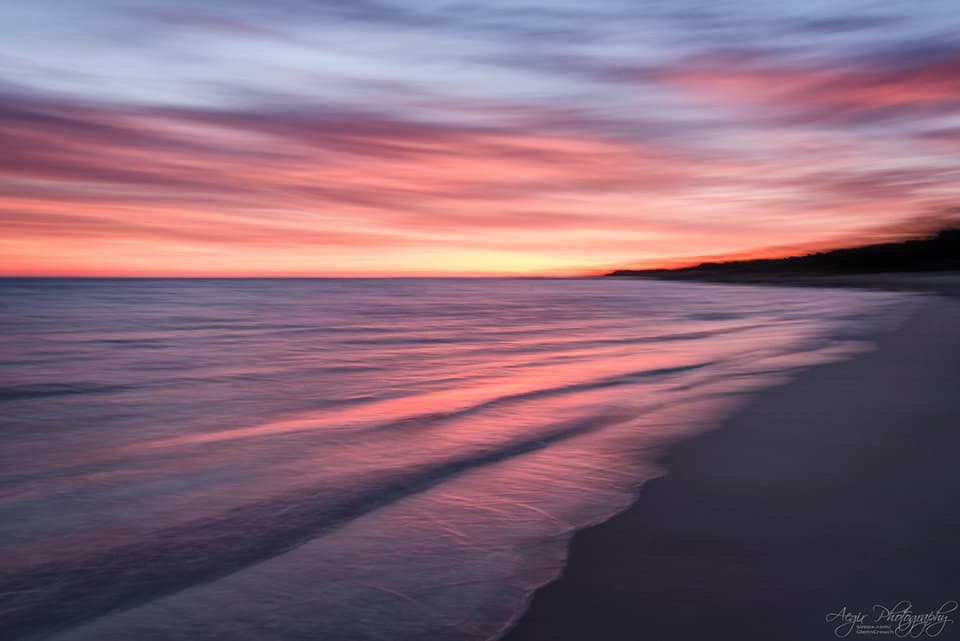
Capel Beach can be enjoyed year-round, though each season offers different experiences. Summer (December-February) brings warm weather perfect for swimming and sunbathing, with temperatures reaching 25-30°C. Autumn and spring offer mild conditions ideal for beach walks and picnics with fewer crowds. Winter (June-August) can be cooler and windier but beautiful for scenic strolls and whale watching offshore. The beach's sheltered position means it's often more pleasant than exposed beaches during windy periods. Sunrise and sunset visits are particularly scenic throughout the year.
Capel Beach is located approximately 20 kilometres south of Bunbury along Forrest Highway. From Bunbury, take the highway south and follow signs to Capel, then head west toward the coast via Peppermint Grove Beach Road. The beach has a small parking area near the foreshore, which is free but can fill quickly during peak summer weekends and holidays. Parking is informal and limited compared to larger beaches. The drive from Bunbury takes around 20 minutes. There's no public transport directly to the beach, so a private vehicle is necessary.
Capel Beach has limited commercial facilities directly at the beachfront, maintaining its quiet, natural character. The nearby town of Capel, a few kilometres inland, offers basic amenities including a general store and cafe options. For more extensive dining and accommodation choices, Bunbury (20km north) provides hotels, motels, holiday apartments, restaurants, and supermarkets. Some visitors stay at caravan parks in the region or rent holiday homes in nearby Peppermint Grove Beach. It's advisable to bring your own food and drinks for beach picnics, as on-site options are very limited.
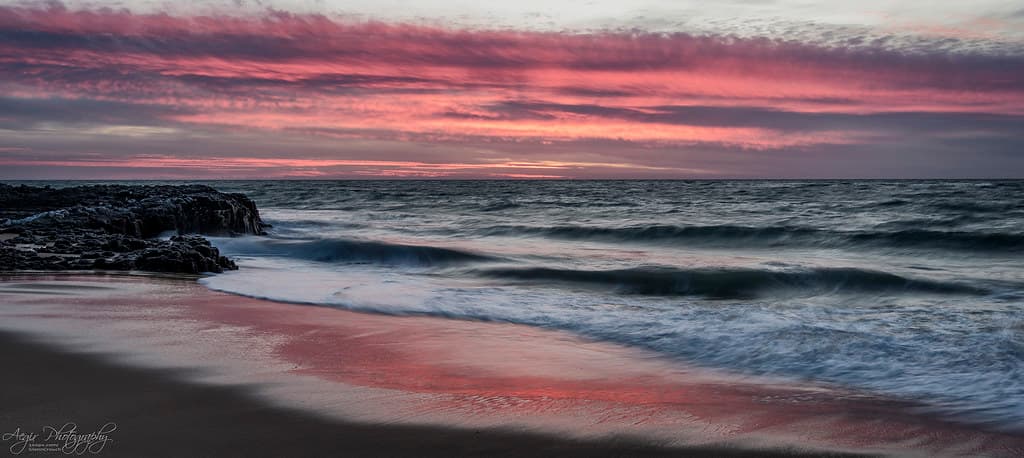
Capel Beach stands out for its quiet, uncrowded atmosphere and natural, undeveloped character. Unlike busier Bunbury beaches, it remains relatively hidden and peaceful, even during holiday periods. The beach features beautiful coastal vegetation and dramatic limestone formations that create scenic backdrops for photography. Its sheltered position often provides calmer conditions than more exposed beaches nearby. The lack of commercial development means fewer facilities but a more pristine, relaxing environment. It's particularly popular with locals seeking a tranquil alternative to tourist-heavy spots, perfect for peaceful walks and family picnics.