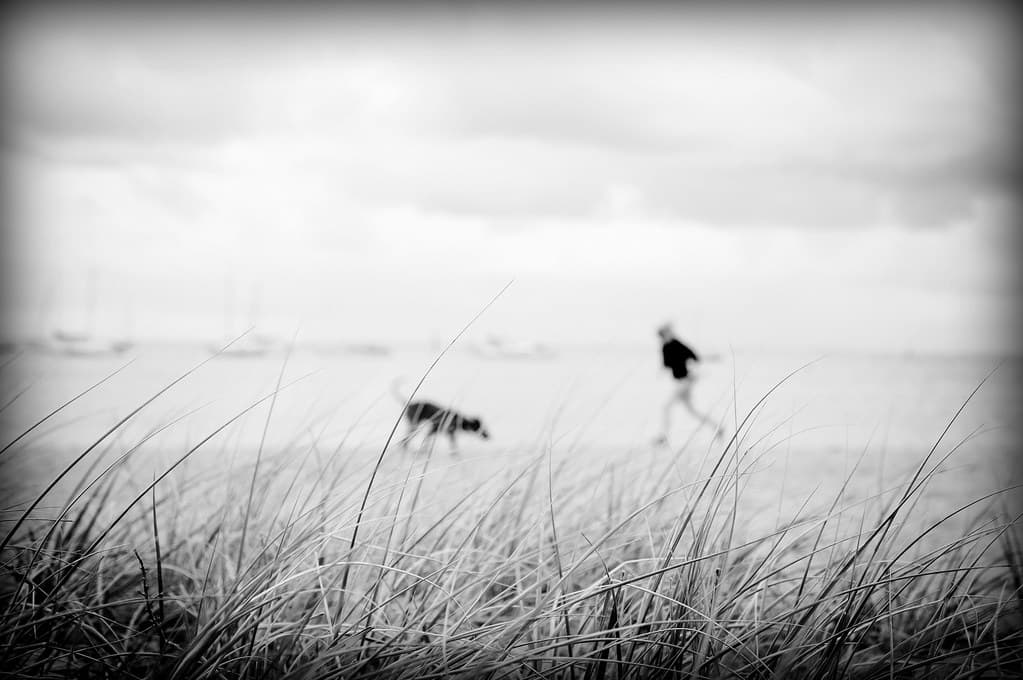
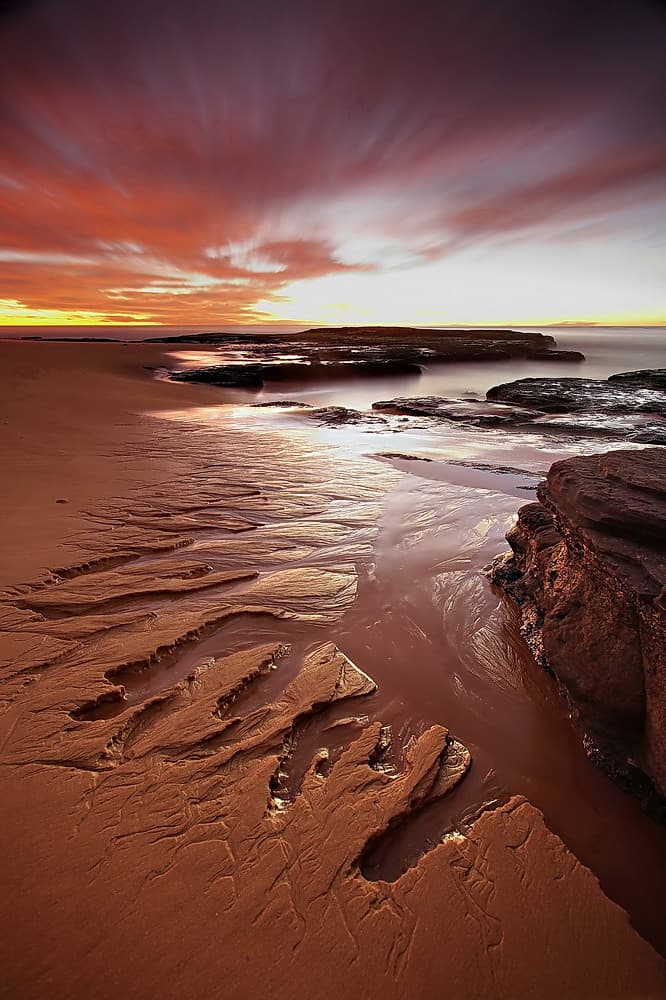
Counting the waves…
Counting the waves…

Pull off Brand Highway twenty minutes south of Geraldton, and the road dissolves into a car park fringed by spinifex and coastal heath. Beyond the dunes, Greenough Beach unfurls in a wide crescent of bone-white sand, the kind that squeaks underfoot and clings to wet ankles. The water here refuses drama—no dumping shore break, no hidden rips—just a patient gradient that lets you walk halfway to the horizon before the sea reaches your waist. Families colonize the northern end near the facilities, where Norfolk pines offer pockets of shade and the playground hum mingles with the calls of silver gulls. Spread your towel on sand so fine it feels like flour, and watch the light shift from blinding noon white to buttery gold as afternoon lengthens. The shoreline curves south toward Chapman River mouth, where the estuary meets ocean in a shifting geography of sandbars and tidal channels. This is beach-going stripped to its essentials: no surf clubs, no commercial precincts, no Instagram hordes. Just reliable swimming conditions, ample space to claim your square of sand, and that particular quality of coastal light that makes the Midwest feel like Australia's best-kept secret. Pack your esky, slather on sunscreen, and settle into the unhurried rhythm of a beach that knows exactly what it's for.
Places, rentals, tours and events within walking and driving distance of Greenough Beach.
Photos
Greenough Beach is generally considered family-friendly with calmer waters compared to many Western Australian beaches, making it suitable for swimming. However, conditions can vary with weather and tides. Always check local conditions before entering the water, swim between the flags when lifeguards are present, and supervise children closely. Be aware of rips and currents, which can occur at any beach. During winter months (June-August), waters are cooler and conditions may be rougher. Check with local surf lifesaving services or the Geraldton Visitor Centre for current conditions.
Greenough Beach can be enjoyed year-round thanks to Geraldton's Mediterranean climate. Summer (December-February) offers warm temperatures of 25-30°C, ideal for swimming and beach activities. Autumn and spring provide pleasant conditions with mild temperatures and fewer crowds. Winter (June-August) is cooler but still sunny, perfect for beach walks and whale watching offshore. The region enjoys around 300 sunny days annually. For the calmest swimming conditions, visit during summer mornings. If you prefer fewer visitors and comfortable weather, shoulder seasons (March-May, September-November) are excellent choices.
Greenough Beach is located approximately 24 kilometres south of Geraldton city centre along the Brand Highway. From Geraldton, drive south and follow signs to Greenough. The beach has designated parking areas accessible via sealed roads. Parking is typically free and available near the beach access points. The drive takes about 20-25 minutes from central Geraldton. If you're travelling from Perth, it's about a 4-hour drive north (420 kilometres). There is no public transport directly to the beach, so a private vehicle is necessary.
Greenough Beach has basic amenities including toilets and picnic areas, but limited on-site food options. Visitors typically bring their own food and drinks for beach picnics. The nearby historic Greenough township, just a few minutes' drive away, has a café and general store. For more extensive dining, shopping, and accommodation options, Geraldton (24 kilometres north) offers supermarkets, restaurants, cafes, hotels, and caravan parks. It's advisable to pack supplies before heading to the beach, especially during peak seasons or if planning an extended stay.
Yes, Greenough Beach is very close to the historic Greenough Hamlet, a restored colonial settlement managed by the National Trust. The hamlet is just a few minutes' drive inland and features iconic leaning trees, heritage buildings from the 1850s-1860s, and Pioneer Museum. It's an excellent addition to a beach day, offering insight into early Western Australian settlement history. The hamlet includes historic cottages, a church, and working heritage buildings. Entry fees apply for some buildings. Many visitors combine a morning at the beach with an afternoon exploring the hamlet's historical attractions.