Counting the waves…
Counting the waves…

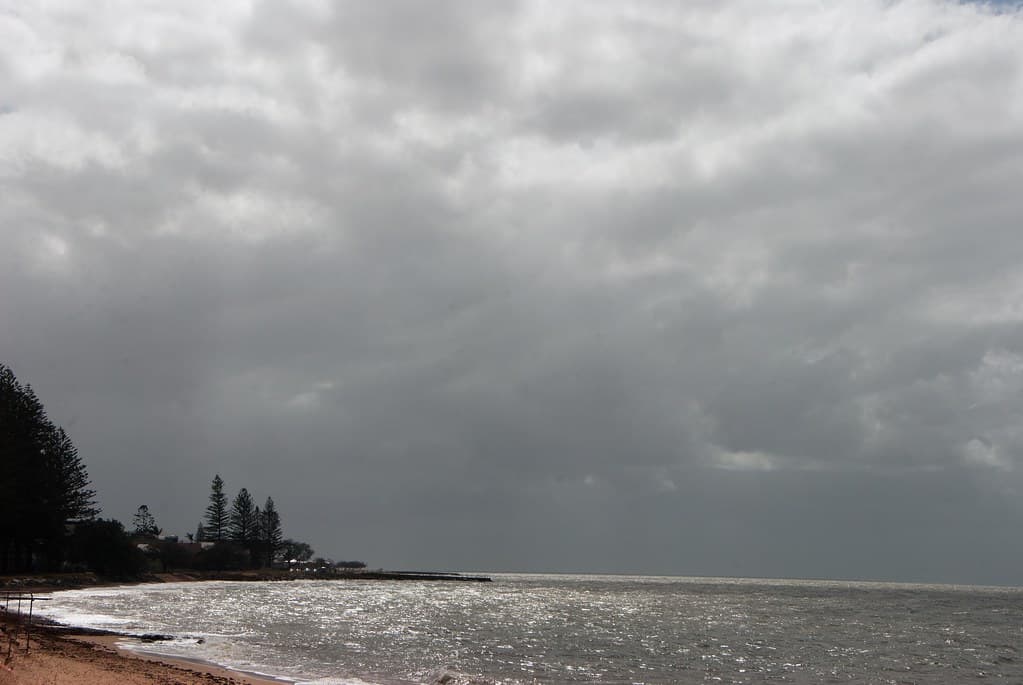
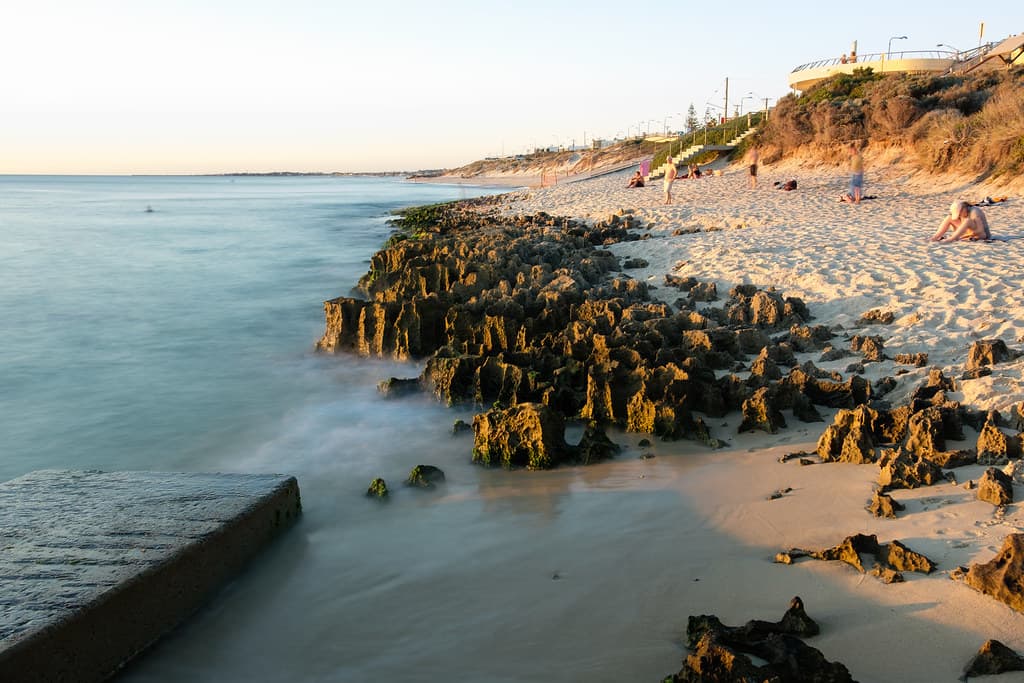
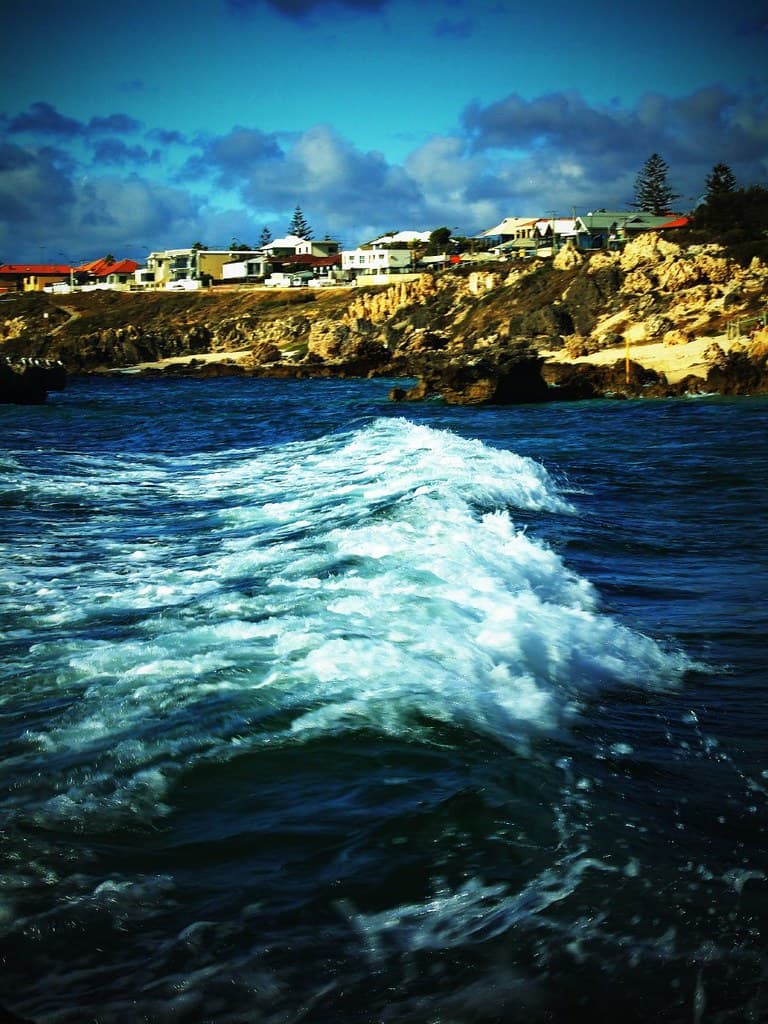
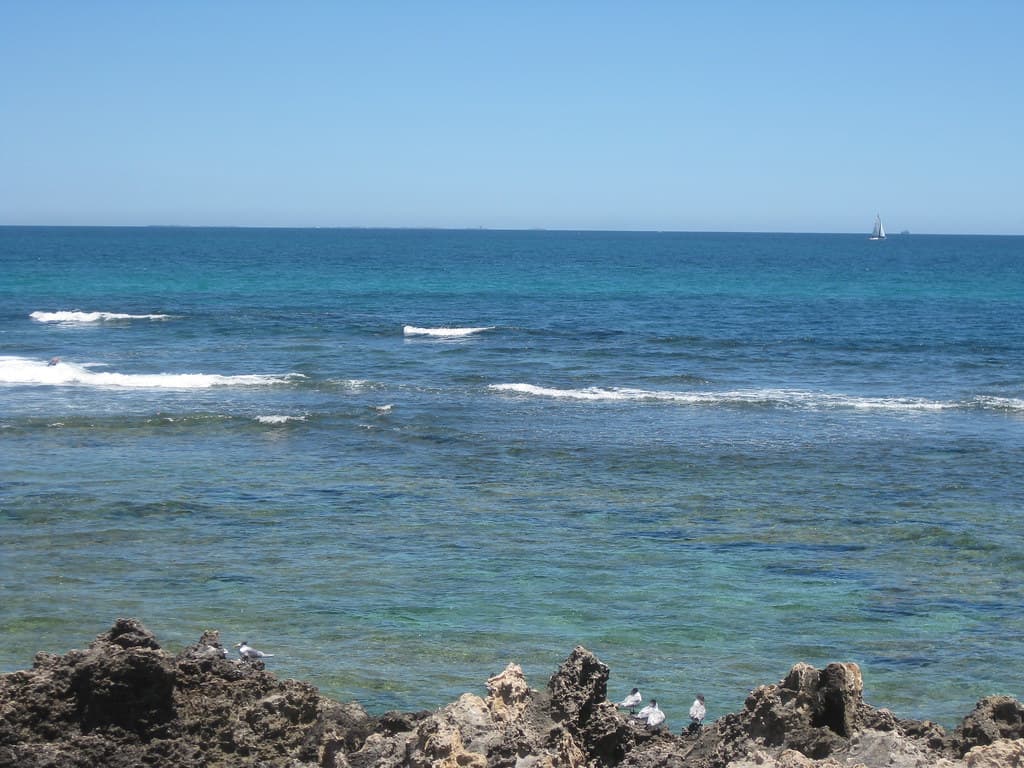
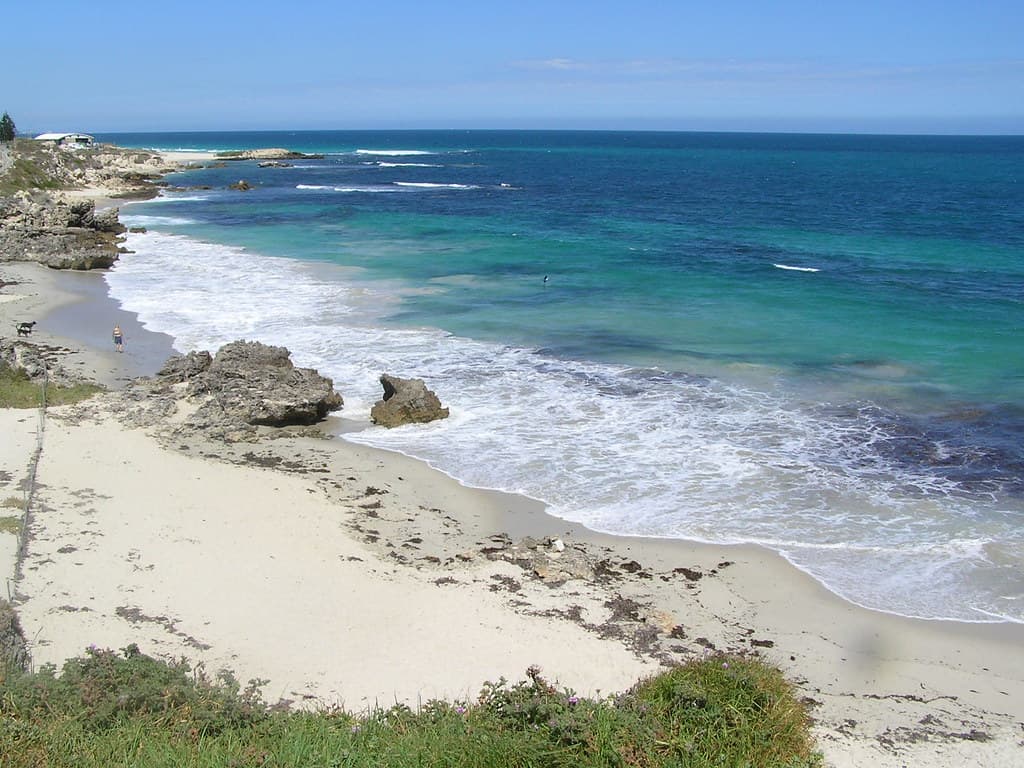
The Indian Ocean hammers the limestone reef at Trigg with a predictability that has made this stretch of the Swan Coastal Plain a pilgrimage site for Western Australia's surf faithful. You'll find the beach wedged between rocky headlands, where swells wrap around the reef to create both forgiving beach breaks for learners and hollow right-handers that demand respect. The sand is coarse and pale, scattered with kelp after big swells, and the water shifts from turquoise shallows to deep navy where the reef drops away. By mid-morning the car park fills with vans and utes, boards strapped to roofs, wetsuits peeled to the waist. The Trigg Beach Cafe becomes command central—flat whites and acai bowls consumed while you assess the sets rolling through. Unlike the calmer bays to the north, Trigg keeps its edge: the rips are real, the locals protective of their peaks, the summer northerlies capable of turning glassy dawns into choppy afternoons within hours. As the light softens, the beach transitions. Sundowners migrate from the sand to the grassy knoll above, where the Bucket List bar becomes a tanned, barefoot congregation. The limestone cliffs glow amber, the sky bleeds pink over Rottnest Island on the horizon, and the post-surf tribe—backpackers, bankers on annual leave, lifelong Trigg devotees—settles in for the evening session that has nothing to do with waves.
Places, rentals, tours and events within walking and driving distance of Trigg Beach.
Photos
Trigg Beach has varying conditions depending on the day and season. The northern end tends to be calmer and more suitable for swimming, while the southern end experiences stronger surf and rips, making it popular with experienced surfers. Lifeguards patrol the beach during summer months (typically December to February) between flagged areas. Always swim between the red and yellow flags when lifeguards are on duty, check daily surf reports, and be cautious of strong currents and waves, especially during winter swells.
Trigg Beach is enjoyable year-round, with each season offering different experiences. Summer (December to February) brings warm weather, calm conditions, and lifeguard patrols, ideal for swimming and beach activities. Autumn and winter (March to August) deliver bigger swells perfect for surfing, though water temperatures drop. Spring (September to November) offers a pleasant balance. The beach faces west, providing stunning sunset views throughout the year. Weekends attract larger crowds, particularly near the popular beachfront cafes and bars.
Trigg Beach is located approximately 20 kilometers northwest of Perth's CBD. By car, take Scarborough Beach Road or West Coast Highway heading north. Multiple parking areas are available along Trigg Beach Road and West Coast Drive, including a main car park near the surf lifesaving club. Parking can be challenging during summer weekends and holidays, so arrive early. Public transport options include Transperth buses from Perth city center, though services may be limited. Cycling is popular via the coastal path.
Trigg Beach offers excellent dining options, most notably The Bucket List and Bib & Tucker, popular beachfront venues serving breakfast, lunch, and drinks with ocean views. Several cafes line the coastal strip offering coffee and casual meals. Facilities include public toilets, outdoor showers, changerooms, and a playground. The Trigg Beach Surf Life Saving Club operates during patrol seasons. While there aren't hotels directly beachside, nearby Scarborough and North Beach suburbs offer accommodation options within a short drive or walk.
Trigg Beach is one of Perth's most consistent surf breaks, working in various swell directions and offering both reef and beach breaks. Trigg Point, at the southern end, is particularly renowned among experienced surfers for its quality right-hand break over limestone reef, best during bigger winter swells. The beach hosts regular surf competitions and has a strong local surfing community. Multiple breaks along the beach cater to different skill levels, though beginners should stick to smaller days and northern sections due to rocks and strong currents.