

Counting the waves…
Counting the waves…
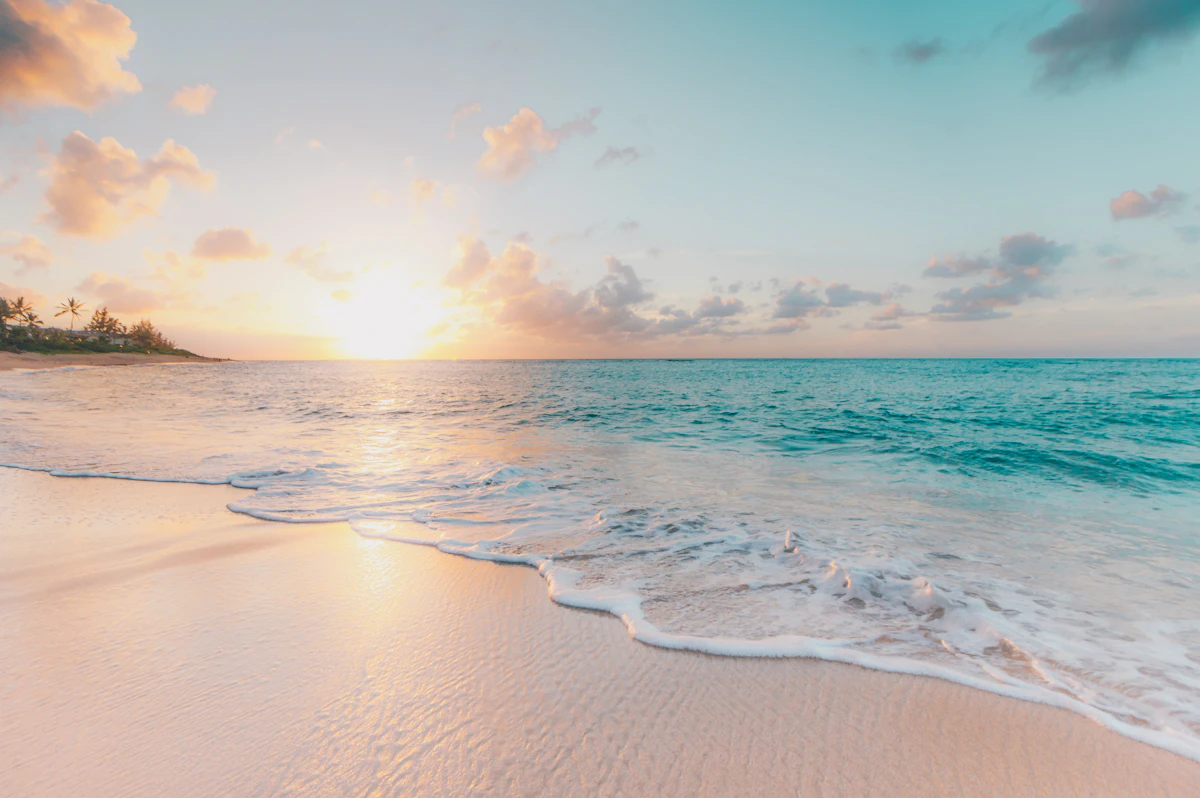
The village is eleven kilometers south of Canoa Quebrada but feels decades removed from tourist infrastructure. The beach is wide and lined with simple beachfront restaurants run by fishing families—plastic tables under tarps, handwritten menus featuring whatever came off the boats that morning. The sand is coarser here than the northern beaches, scattered with shell fragments and dried seaweed deposited by the previous high tide. Surfers congregate near the southern end where a rock reef creates a consistent right-hand point break. You'll need to time your paddle-out between sets, as the shore pound can be heavy and the reef is shallow enough to see from the beach at low tide. The lineup stays relatively uncrowded even on good days—mostly Brazilian surfers from Fortaleza on weekend missions, plus a handful of traveling surfers who've heard about the spot. The wave breaks over exposed rock ledge, offering a faster, hollower section than the beach breaks to the north. The vibe is decidedly local and unhurried. You'll eat lunch at a beachfront restaurant where the owner's wife grills fish caught that morning by her husband, served with rice, beans, and farofa for fifteen reais. Cold beer comes in small bottles kept in a styrofoam cooler of ice. As afternoon wind textures the water, locals gather under the restaurant tarps to watch football on a small television, occasionally glancing seaward to check the surf.
Places, rentals, tours and events within walking and driving distance of Praia de Majorlândia.
Photos
Swimming safety at Praia de Majorlândia depends on surf conditions, which vary daily and seasonally. The beach is popular with surfers, indicating wave activity that may challenge inexperienced swimmers. Strong currents and waves can be present, particularly during certain tidal conditions. Always observe water conditions before entering and swim near other beachgoers. Lifeguard availability may be limited, so exercise personal caution. If you're not a confident swimmer, stay in shallower areas and avoid days with large surf. The beach's appeal to surfers means conditions favor wave activity rather than calm swimming.
For budget travel, visit during the low season (March-June and August-November) when accommodation prices drop significantly and you can negotiate better rates. Avoid Brazilian holidays and school vacation periods (December-February, July) when prices peak. Mid-week visits are typically cheaper than weekends. Staying in simpler pousadas rather than resorts, eating at local restaurants away from the beachfront, and using public transportation helps reduce costs. The beach itself is free to access. Some surf schools offer package deals during quieter periods. Self-catering accommodation can further reduce expenses.
Praia de Majorlândia is located near Canoa Quebrada in Ceará. Fly into Fortaleza, then travel approximately 150km southeast to the Canoa Quebrada area (about 2-3 hours by car or bus). Regular bus services connect Fortaleza to Canoa Quebrada. From Canoa Quebrada, Praia de Majorlândia is accessible by local transport, taxi, or buggy rental. The beach may also be reachable by walking depending on exact distances. Local tour operators offer beach-hopping excursions. Renting a car provides flexibility to explore multiple beaches in the region. Check locally for the most current transport options.
Accommodation options are available in the Canoa Quebrada area, ranging from budget pousadas to mid-range hotels. The beach may have beachfront barracas (beach bars) serving fresh seafood, grilled fish, and regional dishes along with drinks. Canoa Quebrada village offers more extensive dining and lodging choices. Since the beach caters to adults seeking a relaxed vibe, expect quieter, less family-oriented establishments. Some accommodations may be small, locally-run properties with personal service. Reservations are recommended during high season. Check if specific amenities are available directly at Majorlândia or require traveling to nearby villages.
Praia de Majorlândia is known for good surfing conditions, particularly appealing to intermediate surfers. Wave quality and size vary with seasons, tides, and wind conditions. Generally, consistent swells provide regular surfing opportunities, though conditions fluctuate. The beach's layout and white sand bottom create favorable wave breaks. Local surf schools and board rentals may be available depending on infrastructure development. Best surf conditions often occur during specific months when swells are more consistent. Beginners can find surfing instruction, while experienced surfers enjoy the reliable waves. Always check current conditions and respect local surf etiquette.