Counting the waves…
Counting the waves…
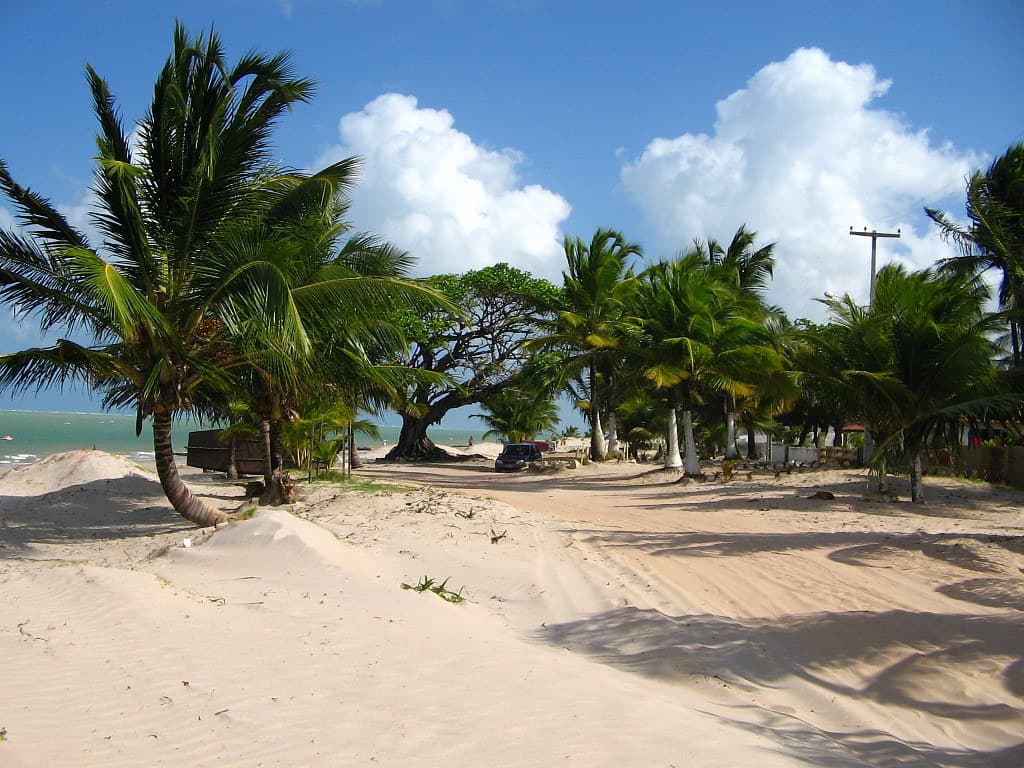
You'll want to arrive with the fishermen, when the tide pools along the northern rocks hold trapped schools of sergeant majors and juvenile parrotfish. Bring a mask and wade into water so transparent it barely seems present—just cooler air that happens to require fins. The reef extends forty meters out, shallow enough that you'll occasionally scrape your stomach on brain coral if you're not paying attention. By eleven, the wind shifts. The glassy surface begins to texture, then crease, then build into orderly lines. Surfers paddle out from the southern end where a sandbar focuses the swells into predictable rights. The waves here won't challenge anyone who's surfed the Gold Coast, but they arrive with metronomic consistency and peel long enough for three or four turns before softening into shin-deep shore break. The sand itself earns the cliché—genuinely white, fine enough to squeak underfoot when dry, cool even under direct sun. It stretches wide and flat, interrupted only by occasional driftwood and the colorful kungas locals spread for afternoon picnics. Between surf sessions, you'll find shade under beach umbrellas planted in sand that holds them firm against the steady onshore breeze.
Places, rentals, tours and events within walking and driving distance of Praia de Ponta de Campina.
Photos
Yes, Praia de Ponta de Campina offers conditions for both activities, though typically in different areas and conditions. During calmer periods and at lower tides, natural pools form where you can snorkel and observe marine life near the reefs. When swells increase, the beach produces waves suitable for surfing, particularly for intermediate surfers. It's important to check daily conditions and tides, as strong surf makes snorkeling unsafe. Local guides can advise on the best spots and times for each activity. Always respect your skill level and ocean conditions.
For budget travel, visit during the low season from March to June or August to November, when accommodation prices drop significantly and restaurants may offer better deals. Weekdays are more economical than weekends, with lower parking fees and cheaper food at beach kiosks. Bringing your own snacks, drinks, and snorkeling equipment saves money compared to renting or buying at the beach. Public transportation from João Pessoa is very affordable compared to taxis. Visiting during Brazilian off-peak periods means fewer crowds and more negotiating power for services and accommodations.
Praia de Ponta de Campina is located in Cabedelo, accessible from João Pessoa via the BR-230 highway, approximately 25-30 kilometers north. The drive takes 35-45 minutes by car depending on traffic. Regular public buses connect João Pessoa to Cabedelo, where you can take local transportation or walk to the beach from the town center. Taxis and ride-sharing services offer direct transport from João Pessoa or Cabedelo. If you're exploring multiple beaches in the region, renting a car provides the most flexibility and convenience for day trips.
The beach has several kiosks and small restaurants serving typical Brazilian beach fare including fresh fish, grilled shrimp, tapioca, and regional specialties. Cold beverages and snacks are readily available during busy periods. For accommodation, Cabedelo offers various pousadas, guesthouses, and small hotels at different price points, generally more budget-friendly than João Pessoa. Vacation rentals and apartments are also available for longer stays. João Pessoa, a short drive away, provides a wider range of dining and lodging options if you prefer more amenities and nightlife while day-tripping to the beach.
The best snorkeling at Praia de Ponta de Campina occurs near the natural reefs and rock formations, particularly during low tide when clear, shallow pools form. These areas shelter colorful fish and marine life visible even in relatively shallow water. Conditions vary greatly with tides and weather, so calm days with good visibility are essential for enjoyable snorkeling. Local vendors sometimes rent equipment, but bringing your own ensures better quality and fit. Always snorkel with a buddy and be aware of changing tides. Ask locals or beach workers for current conditions and recommended spots.