Counting the waves…
Counting the waves…
A refined fusion of water purity, environmental stability, and communal vibrancy for Karadere Beach.
View MethodologyAnalyzed via live sensors and environmental data.
Wave height, wind, and atmospheric stability.
Live footfall and crowd balance metrics.
Community reviews and curated sentiment.
“Step onto the untouched sands of Karadere Beach, a truly wild and scenic gem on the Byala–Obzor Coast. This hidden haven, famed for its natural beauty, invites you to disconnect and capture breathtaking moments amidst…”
Limited recent visitor reports — live OBI telemetry is your best guide for current conditions.
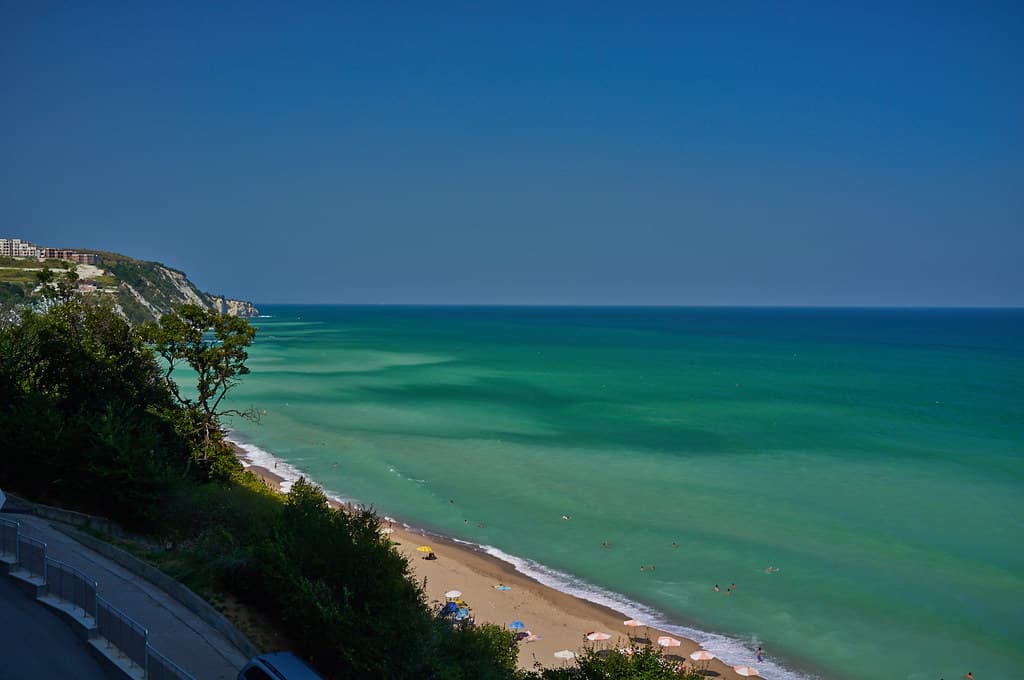
Karadere Beach is not just a beach; it's an experience of raw, unadulterated nature. This expansive stretch of golden sand, backed by verdant cliffs and untouched dunes, remains one of Bulgaria's last truly wild coastal areas. Here, the only sounds are the rhythmic crash of the Black Sea waves, the rustle of wind through coastal grasses, and the calls of seabirds overhead, creating a profound sense of peace and isolation.
Accessing Karadere requires a bit of effort, which only adds to its allure, ensuring that those who make the journey are rewarded with pristine conditions and a genuine escape from the developed world. The sand is soft underfoot, inviting long walks along the water's edge, while the sea itself is a vibrant blue, often calm and inviting for a refreshing swim. The air is exceptionally clean, carrying the scent of salt and wild herbs.
 Credit: Unsplash
ocean waves crashing on shore during daytime
 Credit: Unsplash
brown rock formation on sea under blue sky during daytime
Stunning natural backdrops
Wild trails and dunes
Pristine, quiet sands
Prime Visitation
Best Weather|Less Crowds
Where it is
Karadere Beach
Byala, Varna Province, Bulgaria
42.922400°, 27.892700°
Weather
Loading…
Swell
—
Temp
Warm · Restorative
UV Index
Moderate
Wind
—
Tidal State
Last known
Max Sunlight
—
Ideal Shade
—
May - Sep (Peak)
Jan - Dec (Off-season)
Best Weather|Less Crowds
Select a category to load nearby places.
Unlock restaurants, luxury stays and curated maritime experiences within 2km
Karadere Beach is a wild natural beach with no lifeguard services, so swimmers should be cautious and self-reliant. The sandy beach generally offers safe swimming conditions during calm weather, but as an undeveloped area, there are no safety warnings or facilities. Check weather conditions before visiting and avoid swimming during rough seas. The beach's remote nature means help is not immediately available. Strong swimmers comfortable in natural settings will find it enjoyable, but families with young children should exercise extra caution.
The best time to visit Karadere Beach is from late May through September for warm weather, with June and early September offering fewer crowds while maintaining pleasant conditions. July and August provide the warmest water but may bring more visitors seeking this hidden gem. As a wild natural beach favored for its Instagrammable scenery, sunrise and sunset times offer the most beautiful lighting for photography. Weekdays are quieter than weekends. The beach lacks facilities, so visit during daylight hours for safety.
Karadere Beach is located near Byala and requires more effort to reach than developed beaches. Access typically involves driving to a parking area near the beach and then walking along a path. A 4x4 vehicle may be helpful depending on road conditions. From Byala, head toward the Karadere area following local signs or GPS navigation. The beach's wild nature means roads may be unpaved. Ask locals in Byala for specific directions, as signage may be limited. The journey is part of the adventure to this hidden natural beach.
Karadere Beach is a wild natural beach with minimal to no facilities, which is part of its appeal. There are no permanent restaurants, beach bars, or amenities directly at the beach. Visitors should bring their own food, water, and supplies including umbrellas and sunscreen. The nearest restaurants and shops are in Byala town. Public restrooms are not available. This lack of development preserves the beach's natural beauty and attracts those seeking an unspoiled experience. Come prepared for a true nature beach day.
Karadere Beach is renowned as a wild natural beach offering unspoiled beauty and a sense of escape from developed tourist areas. Its pristine sandy shore, dramatic natural surroundings, and lack of crowds create an Instagrammable paradise perfect for photography and peaceful sunbathing. The beach attracts nature lovers and those seeking authentic coastal experiences away from commercialization. Its hidden status and scenic landscape provide a unique contrast to Bulgaria's more developed beaches, offering a glimpse of the coast's natural character before tourism development.
Photos