Counting the waves…
Counting the waves…
A refined fusion of water purity, environmental stability, and communal vibrancy for Pesuta Shipwreck Beach.
View MethodologyAnalyzed via live sensors and environmental data.
Wave height, wind, and atmospheric stability.
Live footfall and crowd balance metrics.
Community reviews and curated sentiment.
“Walk a dramatic stretch of Haida Gwaii's coastline where the forces of nature have left an indelible mark: the Pesuta Shipwreck. This iconic timber freighter, beached and broken, offers a poignant silhouette against the…”
Limited recent visitor reports — live OBI telemetry is your best guide for current conditions.
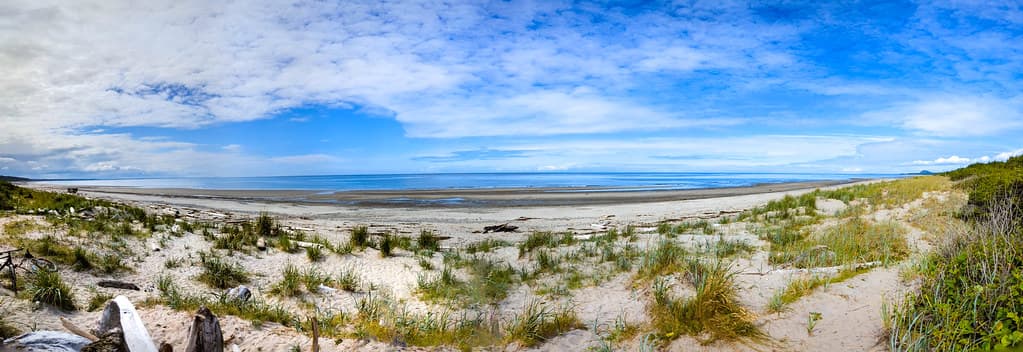
Pesuta Shipwreck Beach is a testament to the raw power of the Pacific, a place where history and nature intertwine on the wild shores of Naikoon Provincial Park. The skeletal remains of the Pesuta, a timber freighter that ran aground in 1928, emerge from the sand and surf, a haunting monument to maritime past. Its weathered timbers, bleached by sun and salt, stand as a stark, beautiful contrast to the vibrant green of the surrounding Sitka spruce and western hemlock.
Reaching the wreck involves a scenic hike through lush coastal rainforest, a journey that prepares you for the dramatic reveal. The air here is thick with the scent of pine and ocean spray, and the roar of the surf is a constant companion. As you emerge onto the beach, the scale of the wreck becomes apparent, its broken hull a canvas for barnacles and seaweed, slowly being consumed by the relentless tide.
Crystal lagoon with rocky outcrop
White cliffs over a desert beach
Capture dramatic scenes
Trail through ancient trees
Powerful Pacific swells
Prime Visitation
Best Weather
Where it is
Pesuta Shipwreck Beach
Naikoon Provincial Park, British Columbia, Canada
53.990000°, -131.950000°
Weather
Loading…
Swell
—
Temp
Warm · Restorative
UV Index
Moderate
Wind
—
Tidal State
Last known
Max Sunlight
—
Ideal Shade
—
May - Sep (Peak)
Jan - Dec (Off-season)
Historical data suggests peak visibility and stable sea temperatures occur during the prime visitation window.
Select a category to load nearby places.
Unlock restaurants, luxury stays and curated maritime experiences within 2km
Pesuta Shipwreck Beach is known for its rugged coast and the historic shipwreck, not primarily for swimming. The Pacific waters are typically cold, and strong currents can be present. There are no lifeguards, and the focus is more on exploration and photography. While you can wade, serious swimming is generally not recommended due to the conditions and the remote nature of the beach. Always exercise extreme caution near the water.
The 'best weather' for visiting Pesuta Shipwreck Beach is typically during the drier, milder months of late spring through early fall. This period offers more comfortable conditions for the hike to the shipwreck and better light for photography. While the shipwreck is visible year-round, clear skies enhance the dramatic scenery. Be prepared for changeable coastal weather, even in summer, and dress in layers.
Pesuta Shipwreck Beach is located within Naikoon Provincial Park and requires a significant hike to reach the shipwreck. Access typically involves driving to a trailhead within the park, followed by a multi-hour walk along the beach. The trail can be challenging, with varying terrain and potential tidal considerations. It's essential to check tide tables and be prepared for a long, potentially strenuous, but rewarding journey.
Pesuta Shipwreck Beach is located in Naikoon Provincial Park, which is a wilderness area. There are no direct food or lodging options at the beach itself. Visitors must be self-sufficient, bringing all necessary supplies. Camping might be available in designated areas within Naikoon Provincial Park, but check park regulations. The nearest services and accommodations would be in the communities outside the park, requiring a drive.
Pesuta Shipwreck Beach is famous and unique for the dramatic remains of the 'Pesuta' log barge, which ran aground in 1928. The decaying wooden hull, exposed to the elements on a rugged, wild coastline, creates a hauntingly beautiful and incredibly 'Instagrammable' scene. It's a powerful reminder of nature's force and maritime history, drawing photographers and adventurers seeking a truly distinctive coastal experience on Haida Gwaii.
Photos